

Albania is still unfamiliar territory for a lot of travelers, even as interest in the country continues to grow. If you’re just starting to research it, there are a few basic things worth knowing first.
Where exactly is Albania? Is it part of Europe? What currency does it use? What language do Albanians speak? And yes, is Albania actually safe to visit?
Here’s a simple overview of Albania, with links to more detailed guides if you want to dig deeper.
Albania at a Glance
| Official name | Republic of Albania |
| Capital | Tirana |
| Region | Southeast Europe / Balkan Peninsula |
| Population | About 2.4 million residents |
| Official language | Albanian |
| Currency | Albanian lek (ALL) |
| Calling code | +355 |
| Time zone | CET in winter / CEST in summer |
| Coast | Adriatic Sea and Ionian Sea |
| EU status | EU candidate country |
| Internet domain | .al |
Albania’s 2023 census counted about 2.4 million usual residents. The country is currently an EU candidate rather than a member, although its accession process has advanced significantly and all 33 negotiating chapters have now been opened.
Where Is Albania?
Albania is in Southeast Europe on the Balkan Peninsula, directly across the Adriatic Sea from southern Italy.
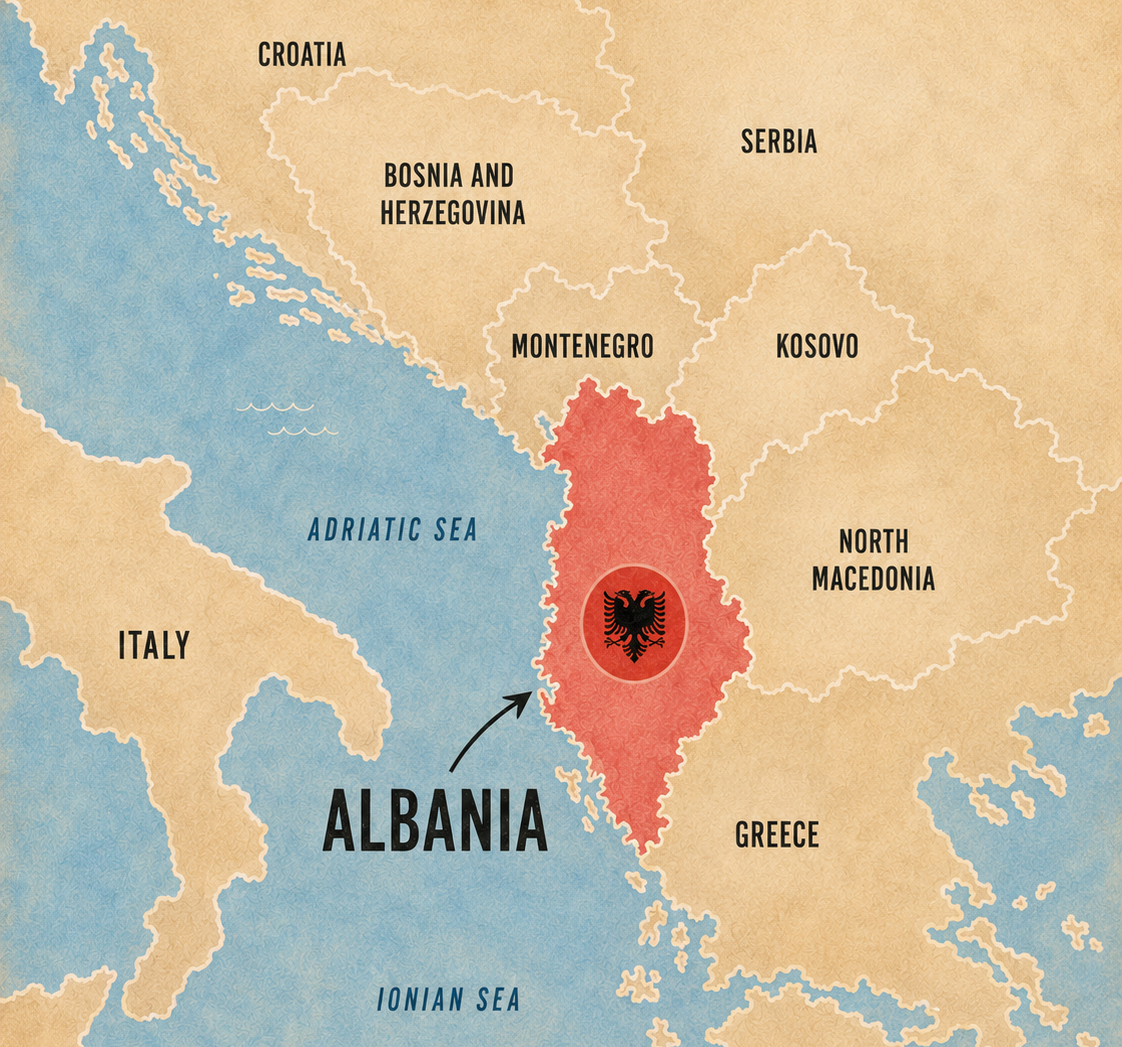
It borders:
- Montenegro to the northwest
- Kosovo to the northeast
- North Macedonia to the east
- Greece to the south
The western side of Albania runs along the Adriatic Sea, while the southern coast reaches the Ionian Sea.
This location is one of the reasons Albania feels so geographically varied for such a small country. You can find Alpine mountains in the north, Mediterranean beaches in the south and fertile plains around the center of the country.
Albania covers about 28,748 square kilometers, or roughly 11,100 square miles.
How Long Does It Take to Travel From the US to Albania?
There are currently no regular nonstop flights from the United States to Albania. Most American travelers fly into Tirana International Airport with a connection in another European city or Istanbul.
| Starting point | Typical total travel time |
|---|---|
| New York City | Around 11–14 hours with one connection |
| Florida | Around 13–18 hours, depending on the airport and layover |
| Chicago | Around 12–16 hours with one connection |
| Smaller Midwest cities | Around 14–20 hours, often with one or two connections |
New York usually offers the simplest journey. Travelers leaving from Florida or smaller Midwestern airports may need an additional domestic flight or a longer connection.
Map of Albania
On a map of Europe, Albania sits just north of Greece and across the sea from Italy.
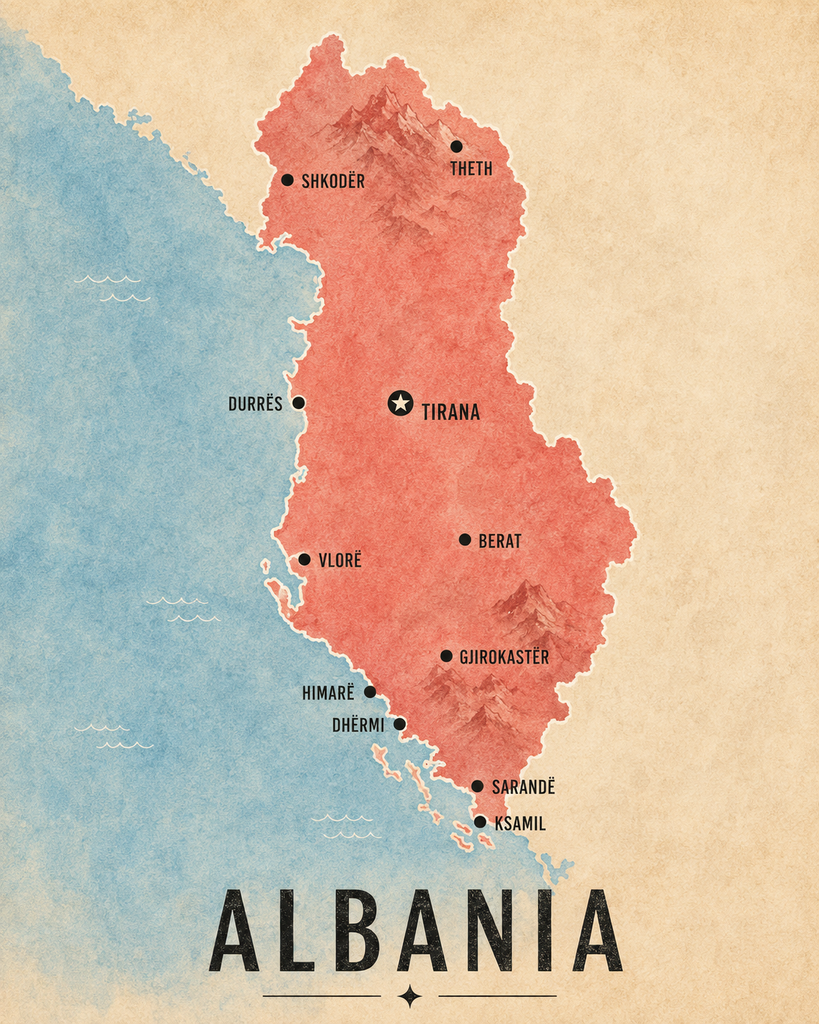
The country is long and relatively narrow, which makes it possible to combine very different landscapes within one trip.
Some of the main places travelers tend to visit include:
- Tirana in central Albania
- Durrës on the Adriatic coast
- Vlorë farther south where the Adriatic and Ionian regions meet
- Berat inland in central-southern Albania
- Gjirokastër in the south
- Sarandë and Ksamil near the Greek border
- Himarë and Dhërmi along the Albanian Riviera
- Shkodër and Theth in northern Albania
If you’re deciding where to base yourself rather than simply visiting, I’ve also compared Tirana vs. Vlorë for expats.
What Is the Capital of Albania?
The capital of Albania is Tirana.
It is also the country’s largest city and the center of Albania’s government, business, nightlife and international connections.
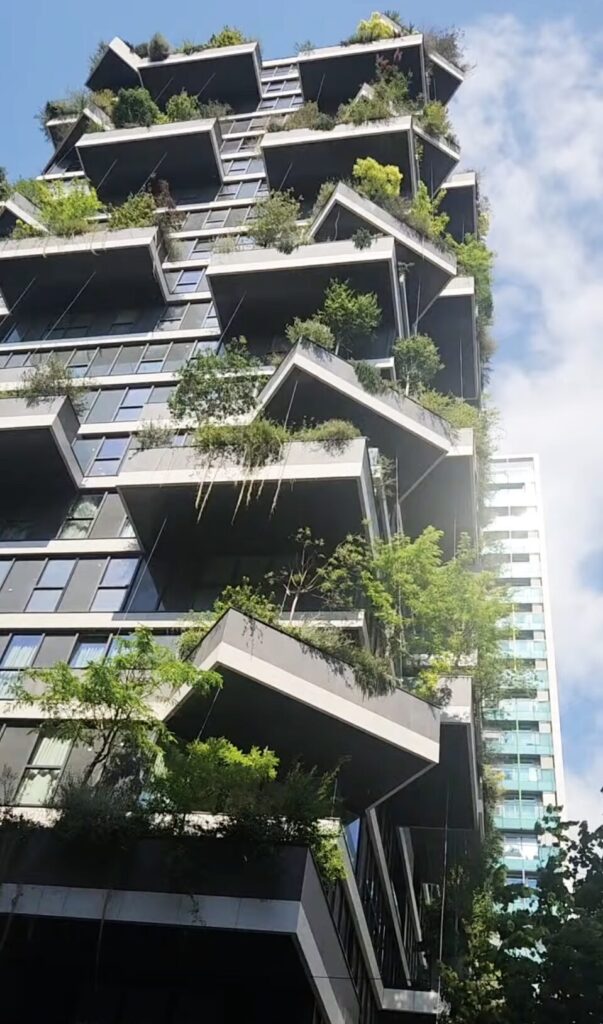
Tirana feels very different from Albania’s smaller coastal and historic towns. It has modern shopping centers, upscale restaurants, colorful architecture, busy café culture and a growing luxury scene.
If you only picture Albania as rustic villages and inexpensive beach towns, you might be surprised by the luxury side of Tirana.
For a more indulgent stay, I’ve also put together my guide to the best luxury hotels in Tirana.

Is Albania in Europe?
Yes. Albania is geographically part of Europe.
More specifically, it is part of Southeast Europe and the Western Balkans.
One common source of confusion is Albania’s relationship with the European Union.
Is Albania in the EU?
Not yet.
Albania became an official EU candidate country in 2014 and formally began accession negotiations in 2022. As of 2026, all 33 negotiating chapters have been opened, with the first chapters beginning to close provisionally.
So Albania is European, but it is not currently an EU member state.
That distinction matters for things like immigration, residency, customs and mobile roaming.
What Currency Does Albania Use?
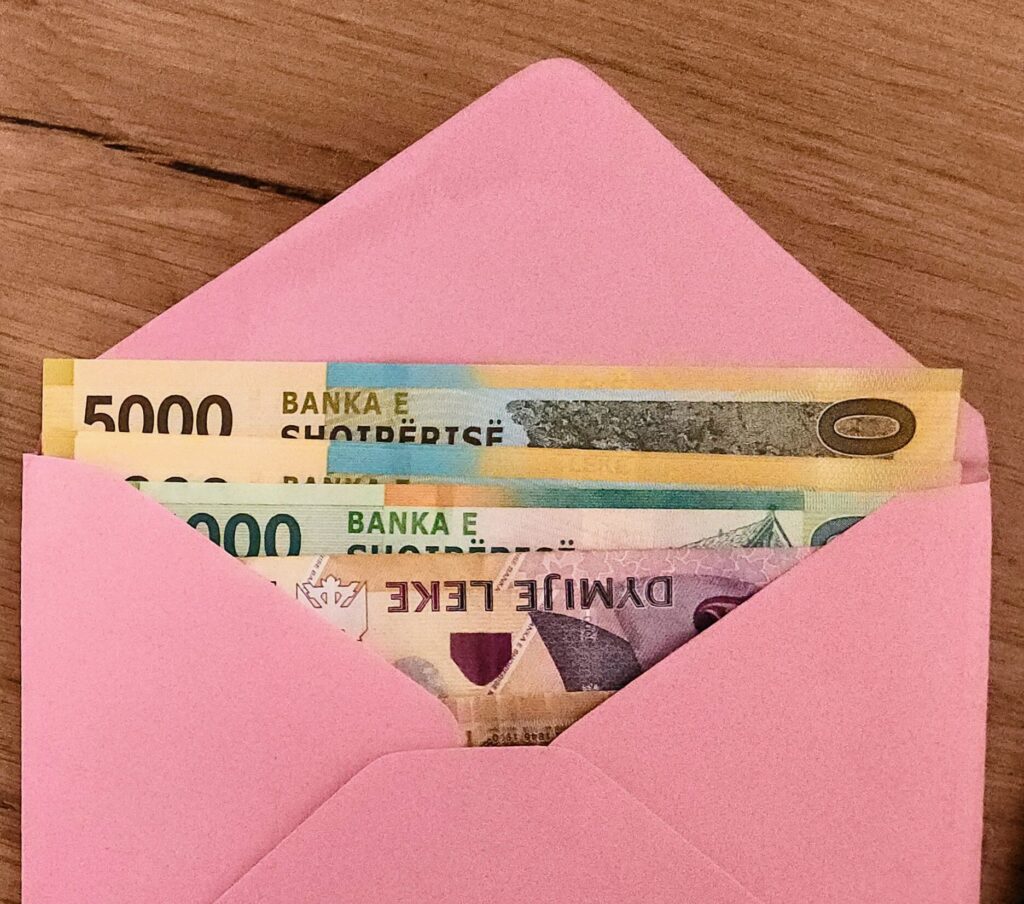
Albania uses the Albanian lek, abbreviated ALL.
You’ll usually see prices written as 500 lek, 500 ALL or sometimes 500 lekë.
The euro is accepted informally by some hotels, tour companies, property businesses and tourist-oriented services, but Albania has its own currency and you should expect to use lek for ordinary daily purchases.
The Bank of Albania operates a floating exchange-rate system, meaning the value of the lek changes against currencies such as the euro, pound and US dollar.

Do You Need Cash in Albania?
More often than you might expect.
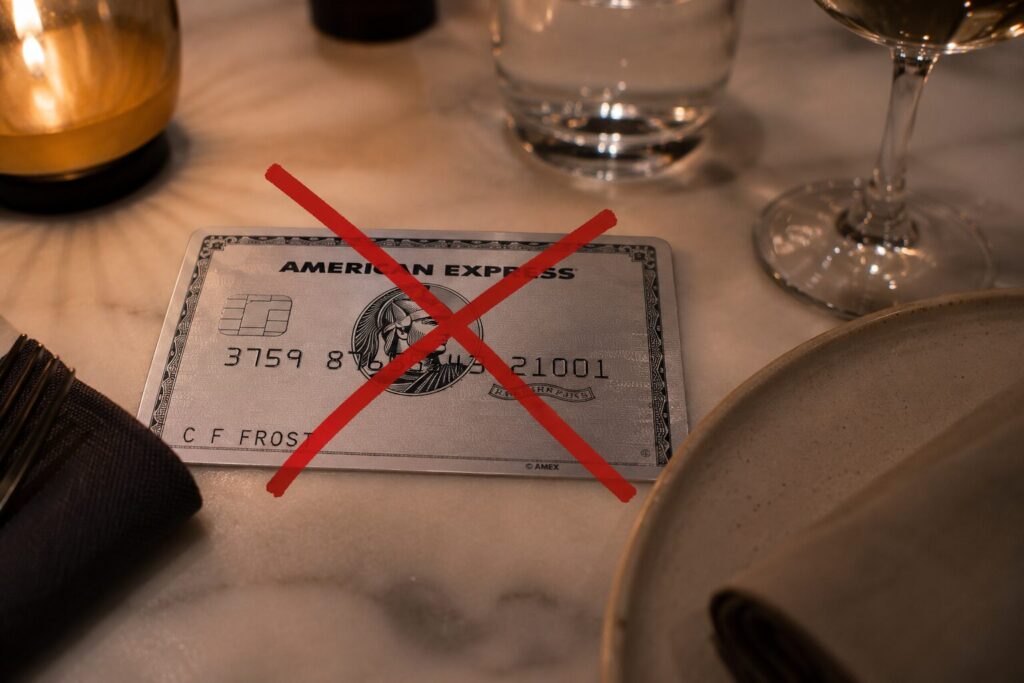
Card acceptance has improved, particularly in Tirana and larger hotels, but Albania is still much more cash-oriented than many Western European destinations.
Smaller restaurants, taxis, cafés, markets and local businesses may prefer cash or only accept it.
I explain the quirks in much more detail in Why You Need Cash in Albania.
For longer stays, I also use services such as Wise for international money transfers and holding multiple currencies.
What Language Is Spoken in Albania?
The official language is Albanian, known locally as shqip.
Albanian is an Indo-European language, but it forms its own distinct branch of the language family rather than being a Slavic, Greek or Romance language.
That is one reason written and spoken Albanian can look completely unfamiliar even to travelers who speak several European languages.
You’ll hear English frequently in Tirana, tourist destinations and among younger Albanians. Italian is also widely understood in some parts of the country.
You do not need to speak Albanian to take a normal vacation, although learning a few basic phrases is appreciated.
If you want to study before arriving, ITALKI is one option for finding online language tutors.
Albania also has a fascinating linguistic history. Several writing systems were once created specifically for Albanian, which I explore in Albania’s Cryptic Lost Alphabets.

What Is Albania’s Country Code?
The international calling code for Albania is +355.
Albanian mobile numbers will therefore appear in international format beginning with +355.
If you’re visiting from abroad, buying an eSIM can be easier than immediately dealing with a local phone plan. I’ve used options such as Airalo, and you can read more about phones, WiFi and some of the quirks of staying online in my guide to staying connected in Albania.
I also recommend downloading a few local apps before arriving. Here are the 15 apps I find most useful in Albania.
What Time Zone Is Albania In?
Albania follows the same general time system as much of Central Europe.
It uses:
- Central European Time (CET) in winter
- Central European Summer Time (CEST) during daylight-saving time
That means Albania is UTC+1 in winter and UTC+2 in summer.
If you’re coming from the United States, Albania is generally several hours ahead depending on your US time zone and the time of year.
What Is the Weather Like in Albania?
Albania’s weather varies dramatically depending on where you are.
Coastal areas tend to have a Mediterranean climate, with hot, dry summers and relatively mild, wetter winters.
Mountain regions are considerably colder and can receive heavy snow.
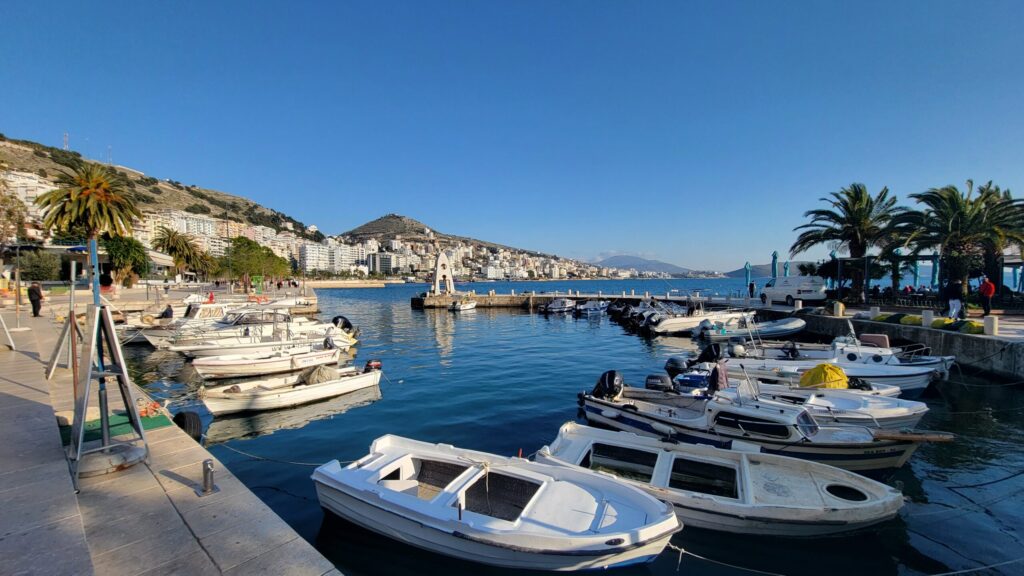
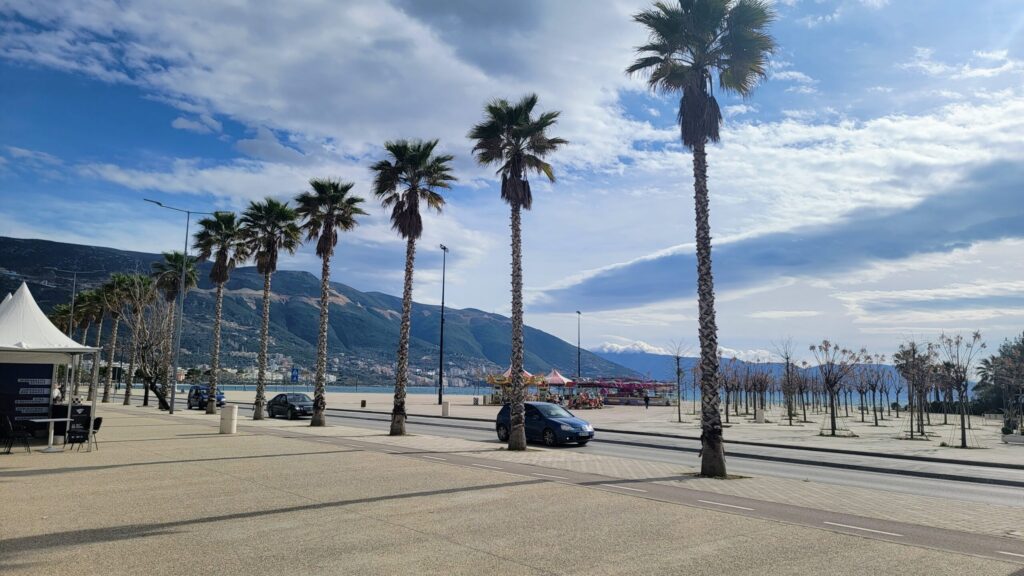
This means a January trip to Vlorë can feel completely different from a January trip into the Albanian Alps.
For a closer look at the colder months, see my comparison of Vlorë, Sarandë and Tirana in winter.
When Is the Best Time to Visit Albania?
For beach weather, summer remains the most popular period, especially July and August.
If you want warm weather without peak summer crowds, late spring and early fall can be particularly pleasant.
Your ideal timing really depends on the trip you want. Albania can work as a beach destination, city break, mountain trip or even a winter escape.
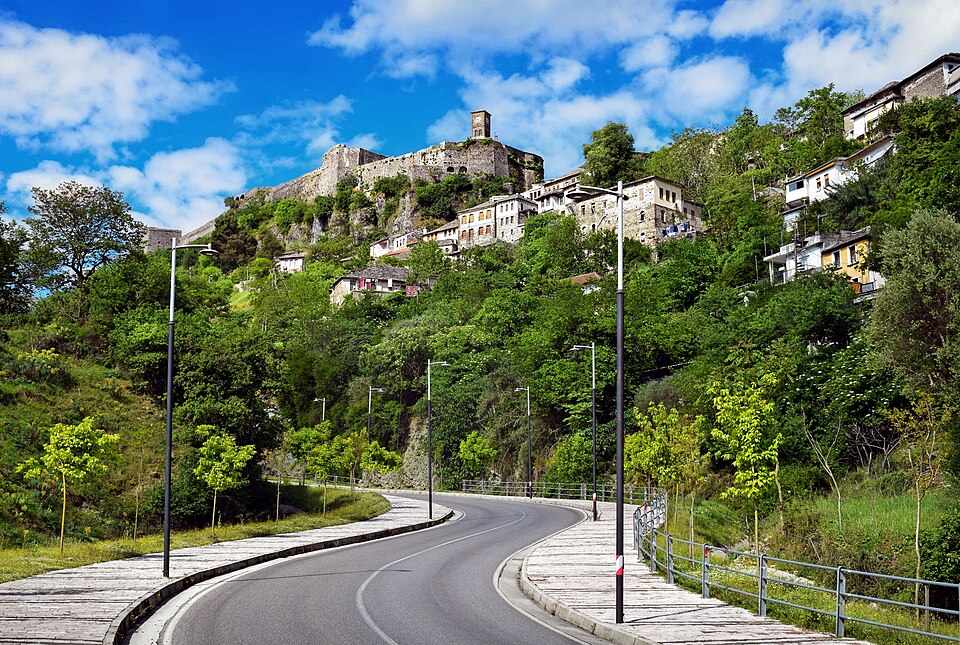
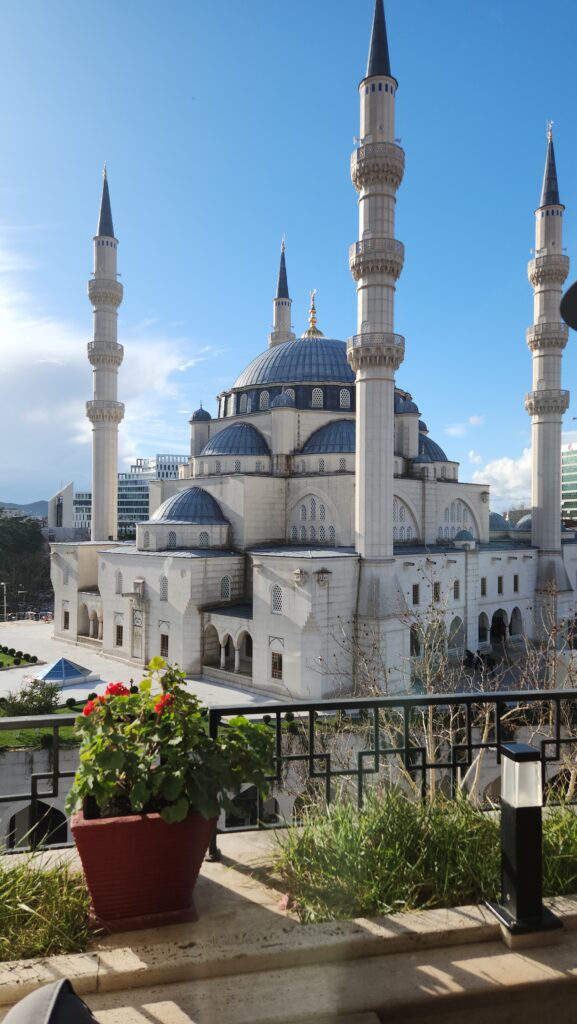
What Is Albania Known For?
Albania is probably best known internationally for its beaches, mountains and relatively affordable Mediterranean lifestyle.
But the country is more varied than the social media version of Albania sometimes suggests.
You’ll also find:
- Ottoman-era towns
- Roman and Greek archaeological sites
- dramatic mountain landscapes
- Muslim, Catholic and Orthodox heritage
- castles and fortresses
- natural springs and waterfalls
- wineries and agricultural regions
- a strong café culture
- an increasingly modern restaurant and hospitality scene
Albania also has some unusual natural features. I’ve written about Albania’s colorful crystals and minerals as well as native Albanian plants and flowers.
For travelers interested in religion and history, you can also explore my guides to Muslim heritage sites in Albania, Catholic pilgrimage sites and ancient churches and Jewish heritage sites.
Is Albania Safe?
For most tourists, Albania is a relatively straightforward country to visit, but it helps to understand how everyday safety differs from what you may be used to.
Road safety is one of the biggest practical concerns. Driving can be aggressive, pedestrian infrastructure varies and traffic may feel chaotic, particularly if you are coming from Northern Europe or North America.
Tourist areas also require the usual precautions around belongings, taxis and unfamiliar neighborhoods.
I go into far more detail in Is Albania Safe for Americans?.
Women considering a longer stay may also want to read my more specific guide to living in Albania as a woman.
Do You Need a Visa for Albania?
It depends on your nationality and how long you intend to stay.
Albania has different rules for visa-free visitors, short-stay visas, long-stay visas and residence permits. A long-stay Type D visa is used in certain cases when someone intends to stay more than 90 days and pursue residency.
Because immigration rules can change and differ significantly by passport, always check Albania’s official visa rules before booking a long stay.
Americans have particularly generous stay provisions compared with many other nationalities. If you’re considering actually living here rather than vacationing, start with my practical guide to moving to Albania as an American.
For longer-term options, I also have guides covering:
- Albanian residency permits, licenses and border runs
- Albania’s digital nomad visa
- Residency through property
- Buying property in Albania as a foreigner
How Do You Get to Albania?
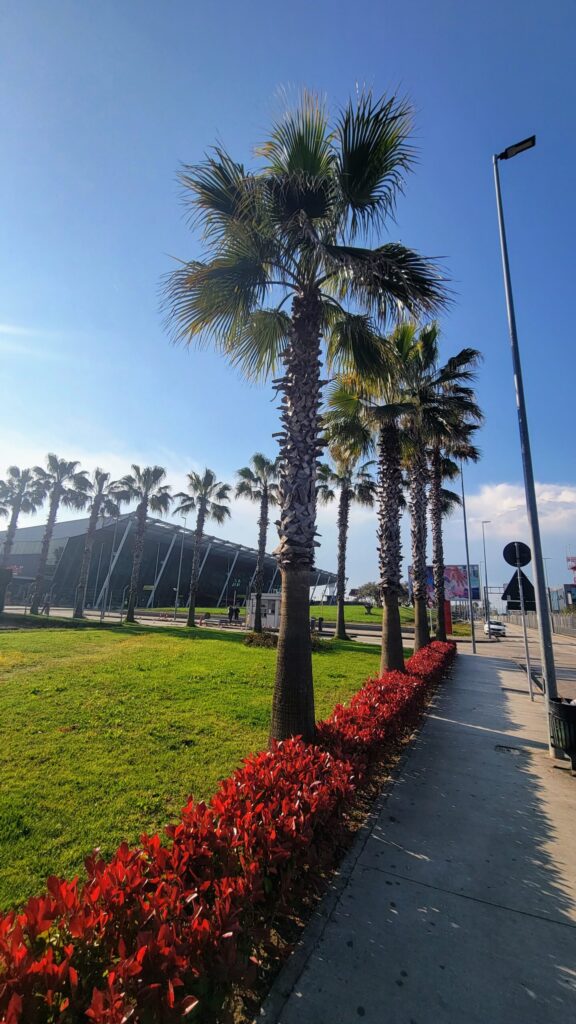
Most international travelers arrive through Tirana International Airport, Albania’s main international airport.
Depending on where you’re coming from, it can be worth comparing direct routes with connections through major European hubs.
I usually recommend checking Kiwi.com when comparing flight combinations, particularly when several airlines could be involved.
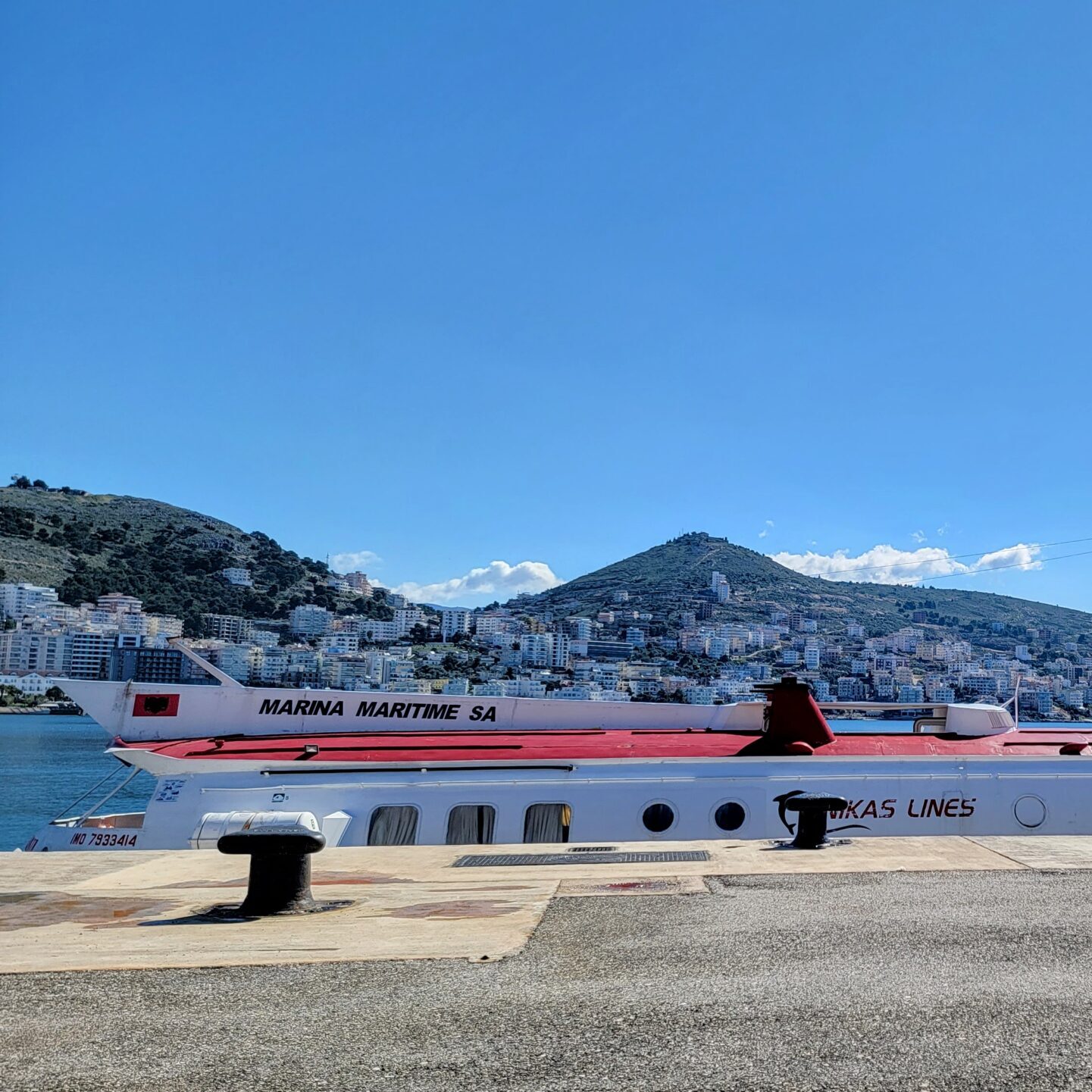
Albania is also connected by ferry with Italy and Greece, making it relatively easy to combine with a wider Mediterranean trip.
How Do You Get Around Albania?
Albania does not have the extensive passenger rail network you might expect elsewhere in Europe, so most travelers rely on:
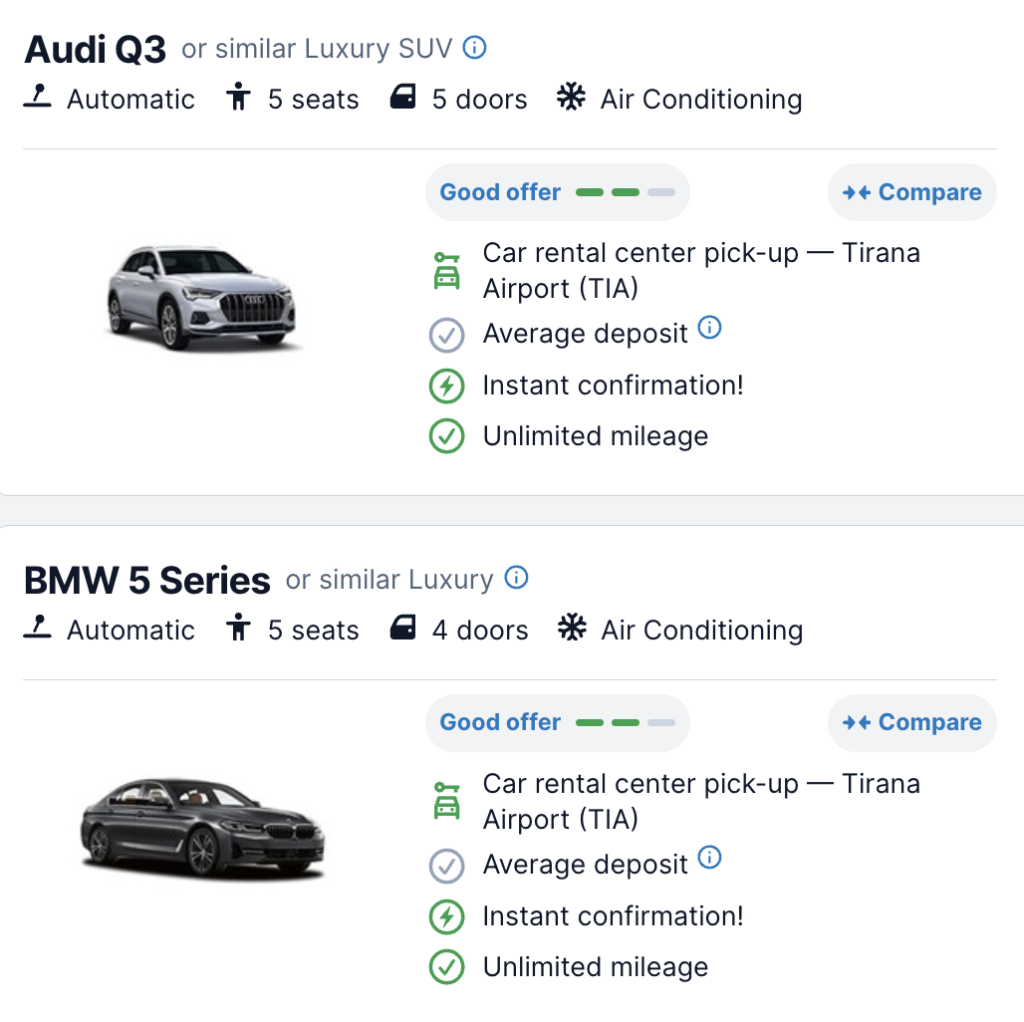
- rental cars
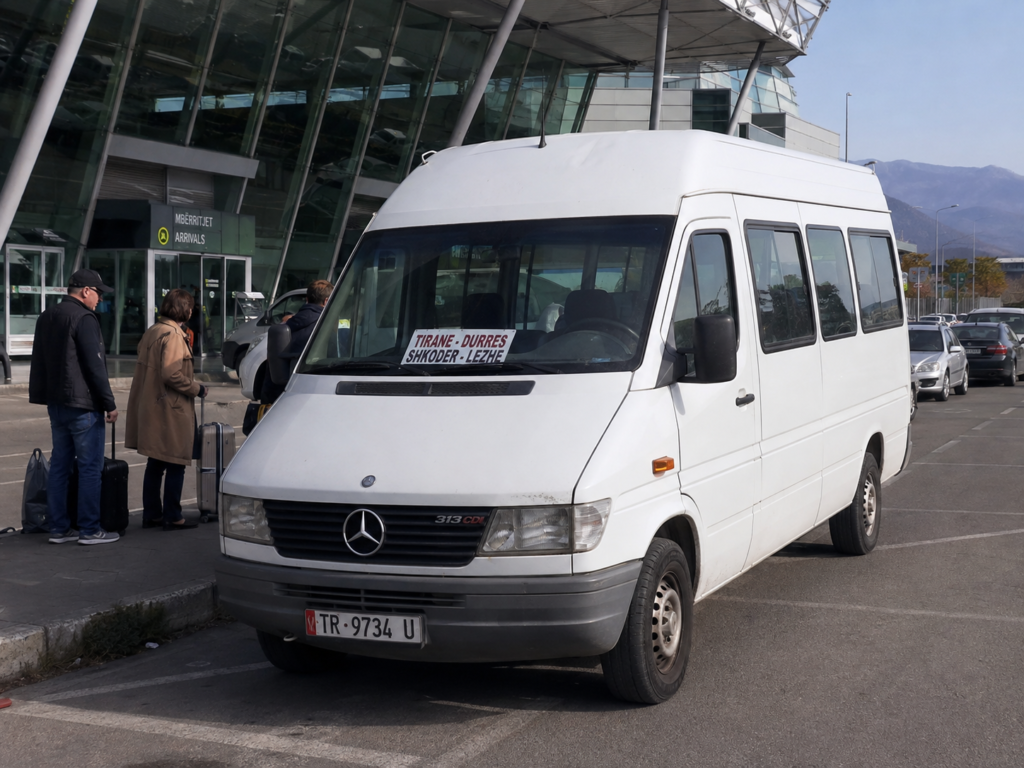
- buses and minibuses
- taxis
- private drivers
- airport transfers
Renting a car gives you the most freedom if you want to explore beaches, mountain areas and smaller towns. You can compare options through DiscoverCars .
For travelers who would rather not drive, Welcome Pickups is another option for prearranged airport transfers.
Transportation becomes less standardized outside Tirana, so it helps to research your exact route rather than assuming there will be an obvious central station.
If you’re heading toward the southern coast, my Vlorë transport guide covers buses, shuttles, taxis and airport connections in much more detail.
Is Albania Expensive?
Albania can still be cheaper than many Western European destinations, but the idea that everything here costs next to nothing is increasingly outdated.
Prices vary enormously depending on location and travel style.
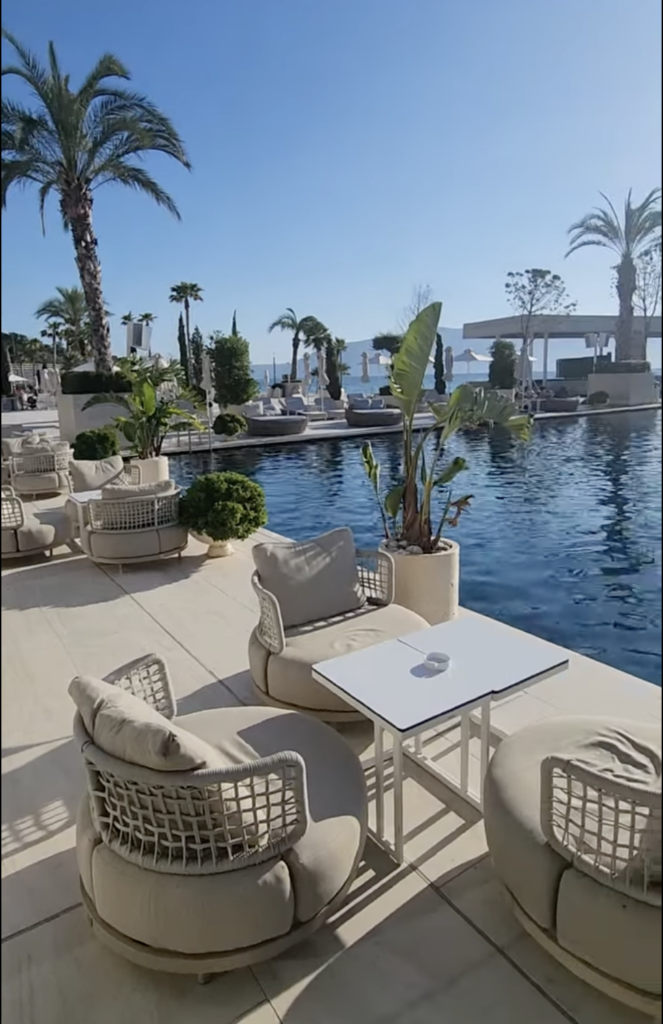
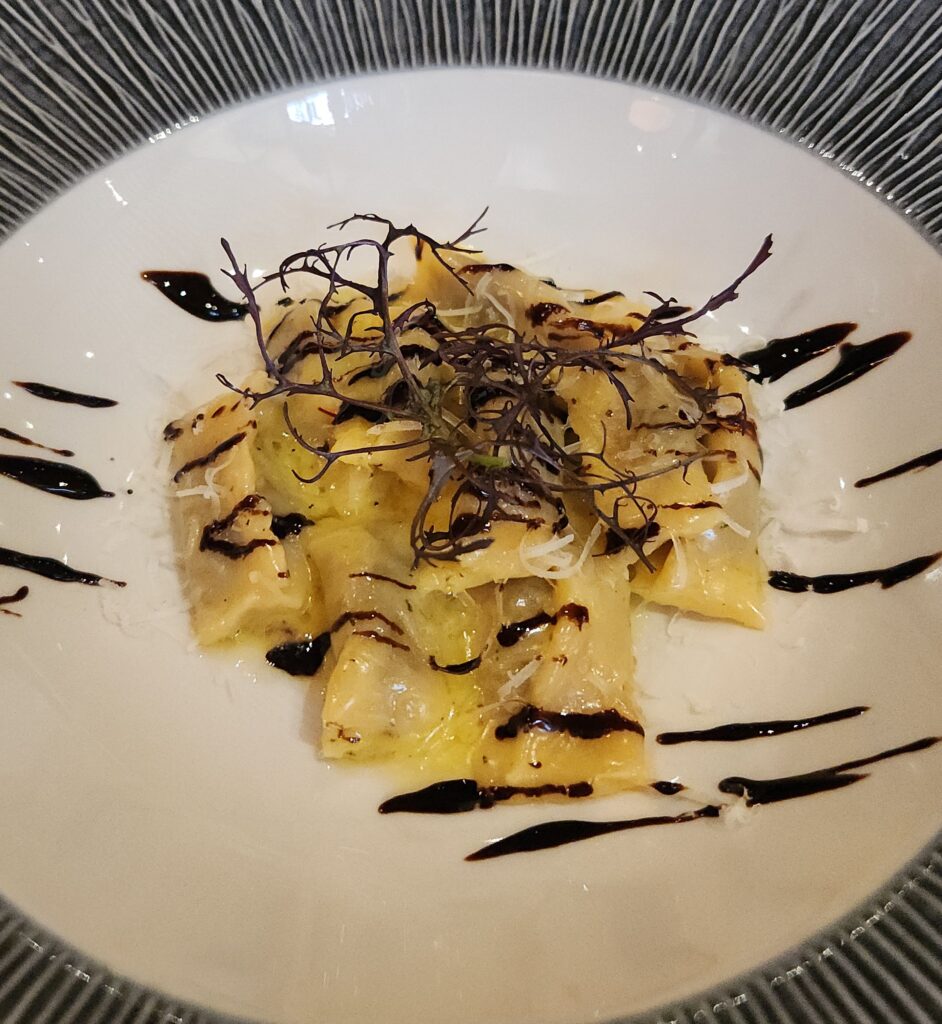
A local café, neighborhood restaurant or bus ride can still feel inexpensive. Luxury hotels, beach clubs, imported goods and peak-season accommodation can be considerably more expensive.
For real examples covering hotels, food, transportation and activities, see How Much Does a Trip to Albania Cost in 2026?.
What Should You Know Before Visiting Albania?
Albania is not difficult to visit, but a little preparation makes the experience smoother.
A few things are worth knowing in advance:
If you’re coming from the United States, I’ve collected some of the bigger surprises in 6 Culture Shocks Americans Experience in Albania.
Visitors with mobility limitations should also read my detailed accessibility guide to Albania before planning transportation and accommodation.
Albania FAQ
Where is Albania located?
Albania is in Southeast Europe on the Balkan Peninsula. It sits north of Greece, south of Montenegro and across the Adriatic Sea from Italy.
What is the capital of Albania?
Tirana is the capital and largest city of Albania.
Is Albania in Europe?
Yes. Albania is geographically part of Europe.
Is Albania in the European Union?
No. Albania is currently an EU candidate country and is in active accession negotiations.
What currency does Albania use?
Albania uses the Albanian lek, abbreviated ALL.
Can you use euros in Albania?
Some tourist-oriented businesses accept euros, but the lek is Albania’s official currency and is what you should expect to use for normal purchases.
What language do they speak in Albania?
Albanian is the official language.
What is Albania’s country calling code?
Albania’s international dialing code is +355.
What time zone is Albania in?
Albania uses Central European Time in winter and Central European Summer Time during daylight-saving time.
Is Albania safe for tourists?
Most travelers visit Albania without serious problems, although road safety and traffic deserve particular attention. Read my full Albania safety guide for more context.
Is Albania cheap to visit?
It can still offer good value compared with many Western European destinations, but prices vary considerably by city, season and travel style.
Planning Your Trip to Albania
Albania is one of those places that becomes much easier to understand once you stop thinking of it as a single type of destination.
Tirana is energetic and urban. The south has Mediterranean beach towns and resorts. Northern Albania becomes mountainous and dramatic. Historic cities such as Berat and Gjirokastër feel completely different again.
That variety is a big part of what makes Albania interesting.
If this is your first trip, start by deciding what you actually want from it: beaches, history, nightlife, luxury, mountains, relocation research or simply somewhere new.
From there, you can explore the rest of my Albania guides to plan the details.