

Albania makes it surprisingly easy for Americans to travel here, but visiting Albania and actually moving here are two very different things.
Before you pack your bags, here’s what you need to know about housing, money, healthcare, work, and everyday life.
Visas and Residency for Americans
One of the biggest perks for U.S. citizens is the 1 year rule. You can enter Albania and stay for up to one year without needing a residence permit.
Arriving
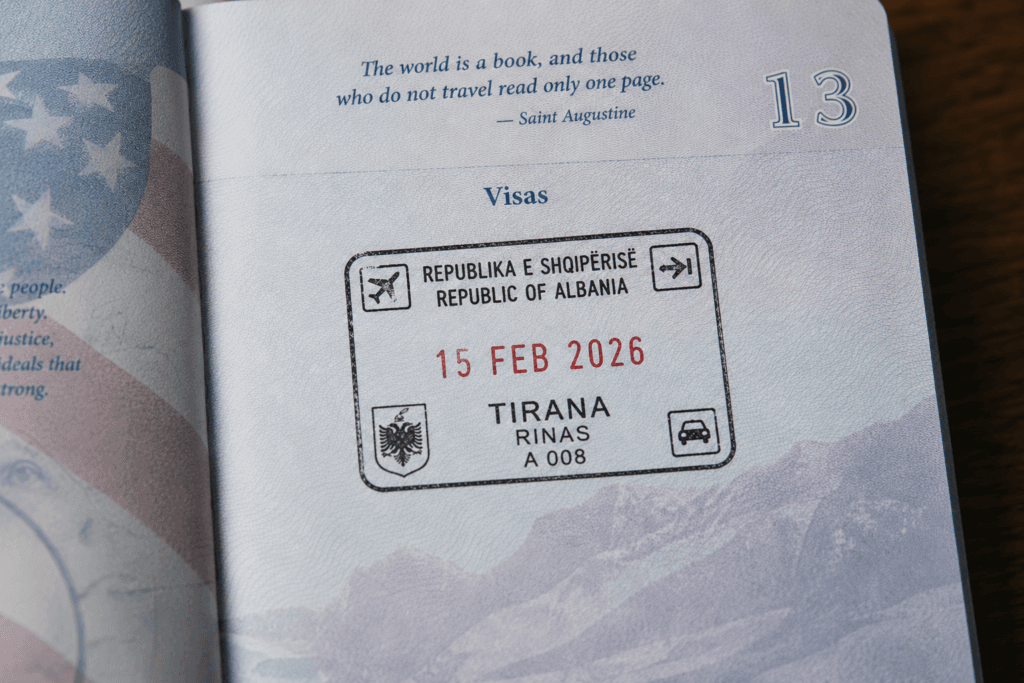
When you arrive at the Tirana airport, a border officer will stamp your US passport with your arrival date, and off you go into the country to stay for up to 365 days. No entry visa needed.
Applying for Residency
If you plan to stay beyond that year or pursue getting a job in Albania, you will need to apply for a residence permit. While the bureaucracy is manageable, it’s rarely fast. If you’re planning a permanent move, contacting a local immigration lawyer early in the process can save you months of frustration.
See Albanian Residency Guide: Permits, Licenses & Border Runs for more details.
The Real Cost of Living in Albania
Albania is affordable compared to Western Europe, but costs are rising, especially in popular hubs like Tirana and coastal towns like Vlorë. As of now, there are no minimum income requirements for Americans moving to Albania.
Average Expat Budget
A comfortable expat lifestyle in Tirana, Vlore, or Saranda generally requires between $1,800 and $2,600 per month.
Lower Expat Budget
You *can* live with a smaller income of $1,100–$1,600 per month, but this requires choosing less central neighborhoods or cities, older properties, and having little money for extra spending.
Mid-Term Housing Costs
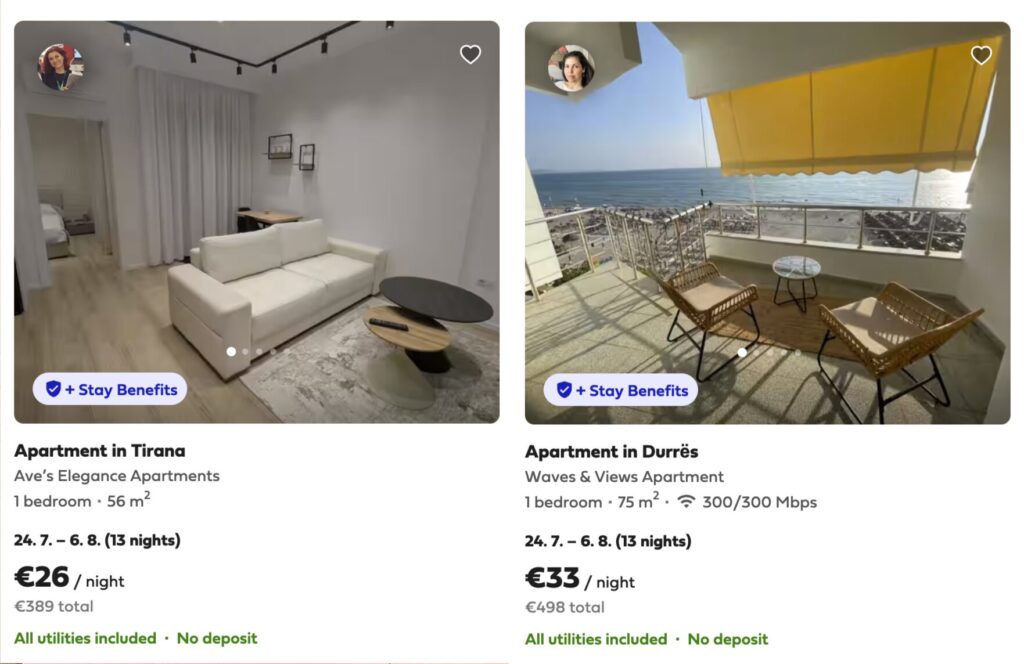
When you first arrive, it’s critical that you give yourself 3-5 weeks to find a long term house or apartment you love. Flatio is a great choice for fully furnished, mid-term rentals (approx $600-$1,300). If you are on a tight budget and have a bit of flexibility with your dates, TrustedHousesitters can be an alternative ($0) if you’re happy to look after pets in exchange for accommodation while you apartment hunt.
Long Term Housing Costs
Housing will be your largest expense, often consuming 40–50% of your budget in prime areas. Be prepared to negotiate, as foreigners are sometimes quoted higher rates than locals. You will also need to prepare to pay 2-3 months rent up front when you sign a lease.
See Apartment Hunting in Albania: The Expat’s Survival Guide
NEVER sign a long-term lease before seeing the property in person. I recommend spending a few weeks getting to know different neighborhoods.
Groceries
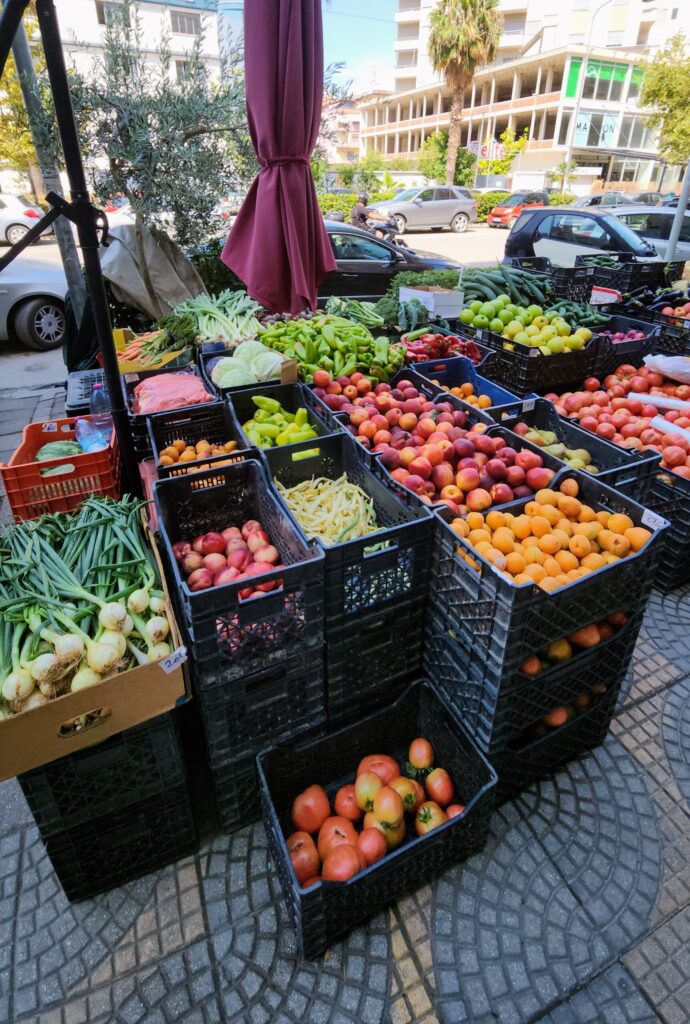
For one person, groceries will usually run around $200–300 per month, depending on how you shop and what you eat. Local produce, bread, dairy, and pantry staples are generally affordable, while imported foods and specialty products can add up quickly. Shopping at local markets and Albanian supermarkets will keep your costs much lower than relying heavily on imported brands.
For the upfront numbers, see my full sample moving budget for one American, including deposits, luggage and the first month.
Income Requirements
While Albania does not currently have a minimum income requirement for Americans, the most common mistake I see is expats arriving without a secure, sustainable income source.
Albania is not a place where you can easily find a job once you arrive. Local wages are significantly lower than what you are used to.
The average Albanian earns around $11,000 USD per year! Legal work permits for foreigners can also be difficult to obtain.
You must have a reliable income source
Do NOT move to Albania expecting to figure it out once you get here. Without a guaranteed income stream, things can get extremely stressful. Some people even have to call the US Embassy to fly them home because they ran out of money. Don’t be that guy.
Expat Income Sources
Before you move, your income must be stable, remote, or passive. Here are the primary ways successful expats sustain their lives here:
Remote Employment
If you are a W-2 employee, ensure your company allows you to work from abroad. You will need to account for time zone differences and reliable connectivity.
Freelancing and Contract Work
Many expats operate as independent contractors or freelancers, providing services like design, coding, or consulting to clients based in the U.S. or the EU.
Digital Businesses
Content creation, affiliate marketing, or e-commerce platforms can provide income, but these take time to scale and should not be relied upon as a primary “day one” income source.
Retirement Funds and Social Security
Many retirees thrive here by living off their U.S.-based pensions or Social Security checks, which go significantly further in Albania than in the States. I’ve met retirees here living quite comfortably on $2,500 a month for two.
Passive Investment Income
Dividends from stocks, real estate rentals back home, or other investment portfolios provide the most stable foundation for long-term residency
Safety and Social Realities
General Safety
Albania is pretty safe for foreigners, and violent crime targeting expats is extremely rare. Most concerns are limited to petty theft in crowded tourist areas and dangerous driving conditions (due to aggressive driving, damaged roads, etc). Check out Is Albania Safe for Americans? for more details.
Digital Safety
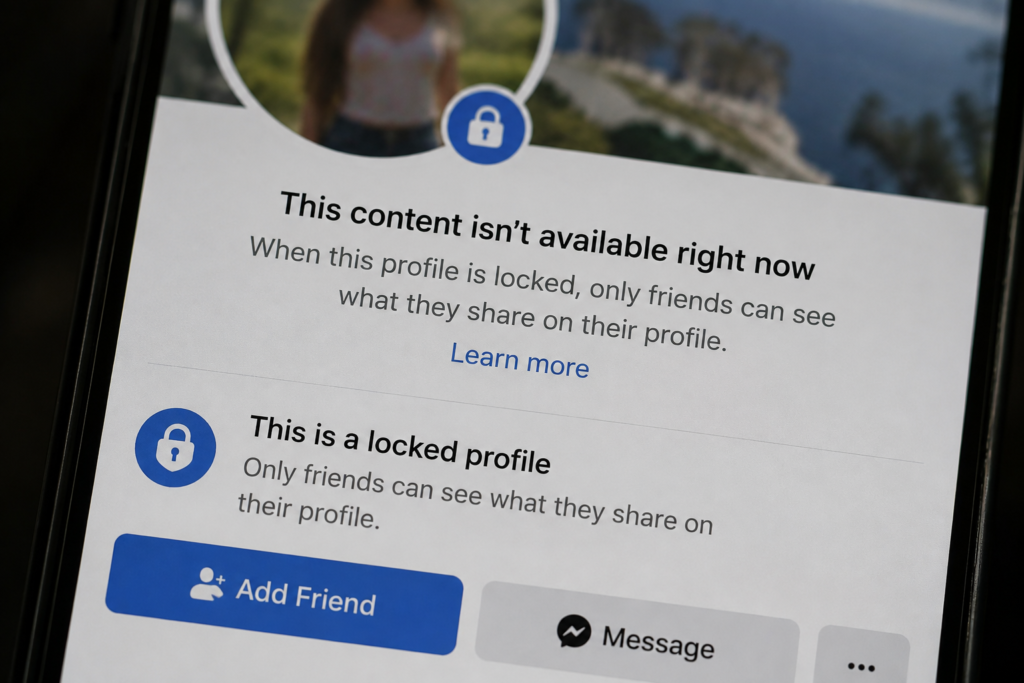
Once you’re abroad, you’ll probably be logging into banks, email, work platforms, and government accounts from cafés, airports, hotels, and apartments. Use a VPN when accessing sensitive accounts on public Wi-Fi, and take a few minutes to tighten up your social media privacy settings too.
Albania is a small country and people can be curious about newcomers, so consider making personal accounts private and limiting who can see your location, photos, friends list, and other personal details.
Female Safety
Most Albanian men are reserved and keep a polite distance, especially from foreign women. There may be some curious staring, but usually not more than that. Albania is one of the safest countries in Europe in terms of lack of violence towards foreigners, but still its wise to stay street smart.
Read my article Living in Albania as a Woman: Safety and Privacy Guide for more info on this topic.
Cultural Adjustment
Life in Albania can be louder and more communal than many foreigners are used to. Families spend a lot of time together, children play outside, cafés stay busy late, and you may hear everything from roosters and barking dogs to revving cars and fireworks at midnight for weddings and celebrations.
There’s a lot of life happening around you, which can be part of the charm, but it can take some adjustment if you’re used to more peace and quiet.
The practical move is only half the challenge. Here’s how to build a social life in Albania once you arrive.

Language
Many younger Albanians in Tirana speak great English, but in the smaller towns and with older locals, you may have difficulties. Learning even just a little bit of basic conversational Shqip totally changes how locals treat you.
I’ve hired native Albanian tutors on iTalki to practice with and learn from. It builds SO much connection & rapport when you can order coffee at a cafe and say a few words.

Healthcare and Infrastructure
Do not expect the same medical systems you are used to in the U.S.
Medical Care
Public healthcare in Albania can be quite different from what you may be used to back home, so many expats choose private clinics in Tirana, such as Hygeia or Spitali Amerikan. They tend to have more modern facilities, shorter waits, and more English-speaking staff. Private healthcare is also relatively affordable, with comprehensive wellness packages often available for around $70–90, including checkups, scans, bloodwork, and hormone testing.
When you first arrive, flexible international insurance like SafetyWing can also be useful while you figure out what you want to do for long-term coverage.
See Healthcare in Albania for Expats: Doctors, Meds & Logistics
Medications:
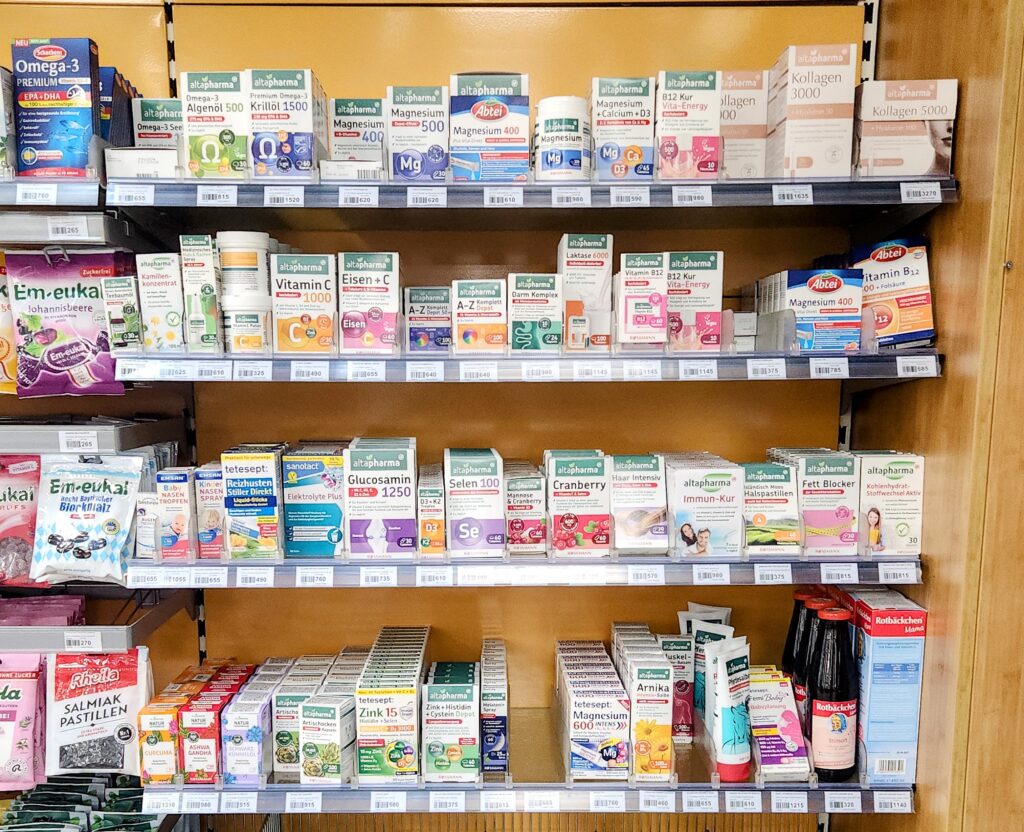
Albanian pharmacies stock a wide range of medications, but for certain speciality meds, expats sometimes need to order from or take short trips to Greece or Italy. Private health insurance is recommended if you anticipate needing ongoing medical care.
See Albania Pharmacy Guide: Medication Costs & Tips

WIFI
Internet is generally good for remote work, but it may not be as consistently reliable as what you are accustomed to in the U.S. This can be bolstered with hotspots or Starlink in some areas.
See Staying Connected in Albania—WiFi, SIMs & 2FA Struggles
Final Thoughts for Aspiring Expats
Albania has a lot to love, from fresh food and warm weather to mountains, beaches, and a slower pace of life. It also comes with frustrations, and living here is very different from spending a week on vacation. Come with an open mind, realistic expectations, and a solid financial plan.
If Albania is seriously on your radar, the best next step is to come see it for yourself. Check flights to Tirana, spend some time exploring, and get a feel for what everyday life here is actually like.