


Albania is becoming an attractive market for foreign buyers, but the process is not the same as in the U.S. or Western Europe. While you can own buildings outright, you will face specific hurdles regarding land ownership, historical title disputes, and funding.
This guide explains the current rules, the real costs, and the steps you need to take to protect your investment.
CRITICAL LEGAL DISCLAIMER: I am an expat sharing my research and experiences. I am NOT a licensed attorney or real estate professional. Albanian property laws are complex and change frequently. You should ALWAYS hire your own independent Albanian lawyer to perform due diligence before handing over any money.
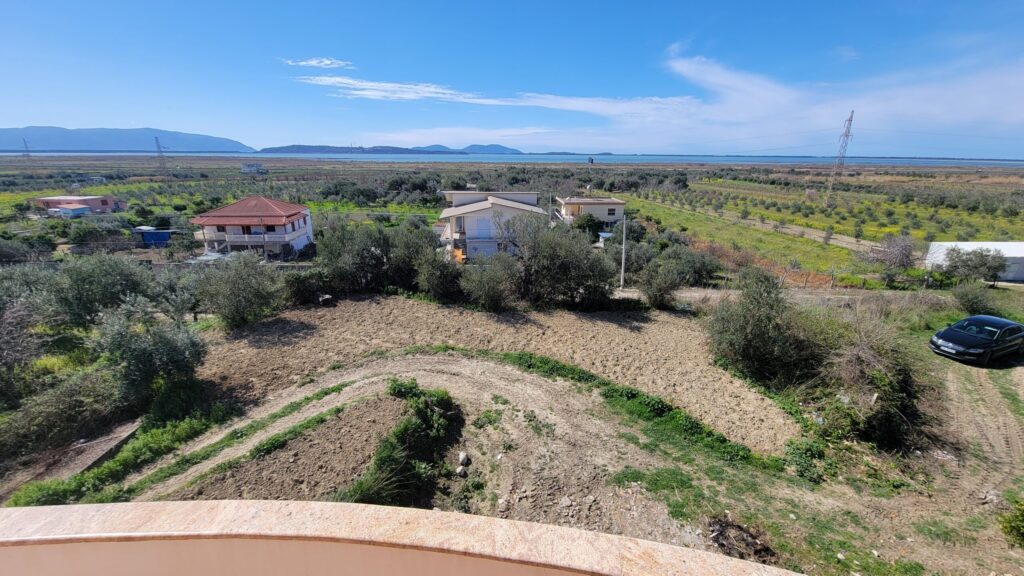
The Communist Chaos: Why Title Checks are Mandatory
The biggest risk in Albanian real estate is historical. During the communist era, property was confiscated and redistributed; when the system collapsed in the 1990s, many titles were issued informally or overlapped.
Even today, a property may have unpermitted extensions, unresolved inheritance shares, or boundaries that do not match the official records. The single most important step is a Title and Cadastre (ASHK) check to ensure the seller is the registered owner and the property is legally “clean”. Skipping this to save a few hundred euros is the most expensive mistake a buyer can make here.
What You Can And Can’t Own Outright
As of 2026, foreign individuals have full 100% ownership rights to residential buildings, such as apartments and villas, on the same legal footing as Albanian citizens. There is no minimum spend or residency requirement to buy an apartment.
However, there are restrictions on LAND:
Note that you can buy a sea-view apartment in Vlorë, Sarandë, or Durrës outright—the restriction only applies to the bare land itself.
Bring Your Cash
If you are planning to buy, prepare to pay in full. Most foreign property purchases in Albania are cash-only. Local mortgage lending to non-residents is extremely limited and rarely competitive, so most buyers arrange their financing in their home country before arriving.
Manage Your Transfers: Because property is priced in Euros but often transacted using local bank procedures, I highly recommend using Wise. It allows you to transfer large sums and hold a Leke (ALL) balance to pay for deposits and fees without being crushed by the exchange rates at Albanian banks.

The Purchase Process, Step-by-Step
A standard transaction generally takes between 2 and 8 weeks.
- Reservation: You agree on a price and pay a small deposit (often around 10%) to take the property off the market.
- Due Diligence: Your lawyer verifies the title at the State Cadastre Agency (ASHK), checks for mortgages or liens, and confirms building permits.
- Preliminary Contract: A notarized “promise-to-sell” that fixes the price and completion date.
- Notarial Deed: The final sale deed is signed before a public notary.
- Registration: The transfer is registered at the ASHK. The property is not legally yours until the new title is issued in your name.
Expat Tip: You don’t have to be in the country to do this. You can grant a Limited Power of Attorney (PoA) to a local lawyer who can handle the entire process while you approve milestones by email.
Closing Costs and Taxes
Albania remains one of the cheapest places in Europe to own property, but you should budget for the following:
- Buyer Closing Costs: Plan for 4% to 7% of the purchase price to cover notary fees (0.3%–0.5%), registration fees, and legal work.
- Transfer Tax: This larger tax typically falls on the seller, though this is often a point of negotiation during the sale.
- Annual Property Tax: This is very low, usually around 0.05% of the property’s value (roughly €50–€200 per year). Note that a new law based on market value is slated for 2029.
- Rental Income Tax: If you rent out your property, the net income is taxed at 15%.
Residency Through Property
Owning “habitable” property can support an application for a renewable residence permit under Law 79/2021. While there is currently no minimum purchase price stated in the primary law, you must generally have 20m² of space per person (e.g., 60m² for a family of three).
Be aware that property ownership does not grant automatic residency; you must still apply for the permit separately through the digital e-Albania system.
Real Estate Investing
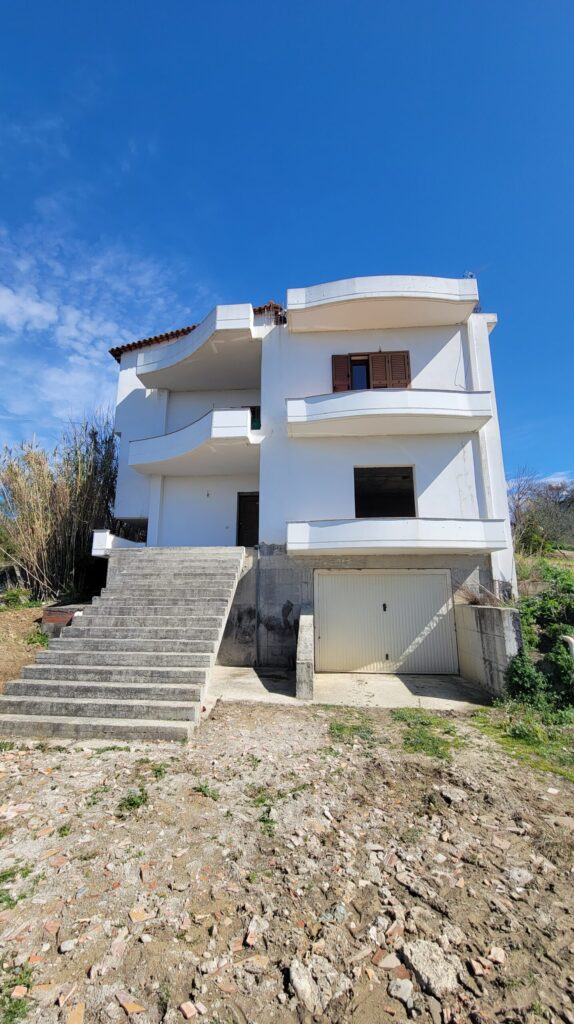
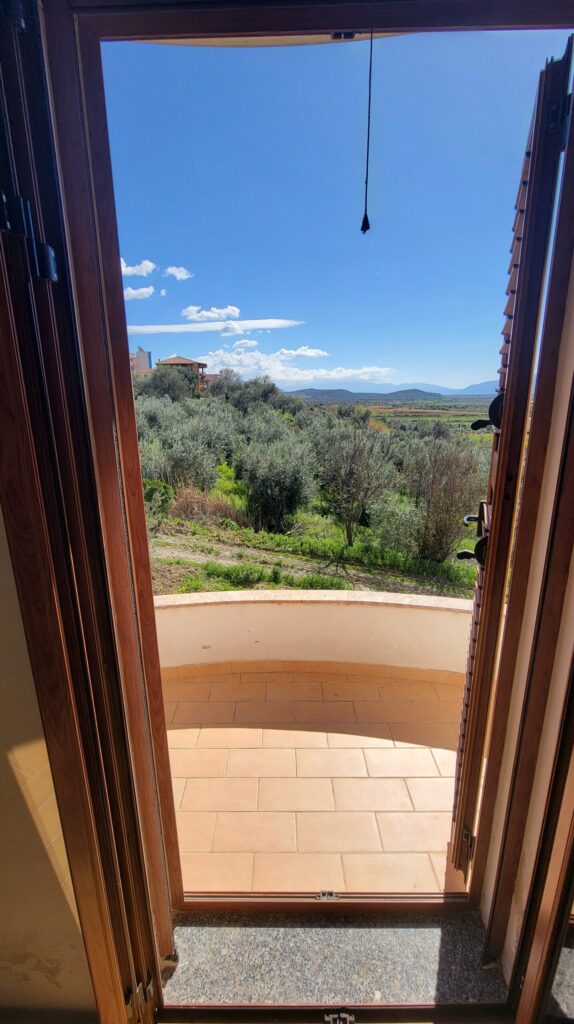
If you are buying for the long term, consider the “Vlorë 2030” vision. Massive projects like the New Vlorë Marina and the Vlorë International Airport (VLO) are expected to drive up property values, even if they currently face delays or shareholder disputes.
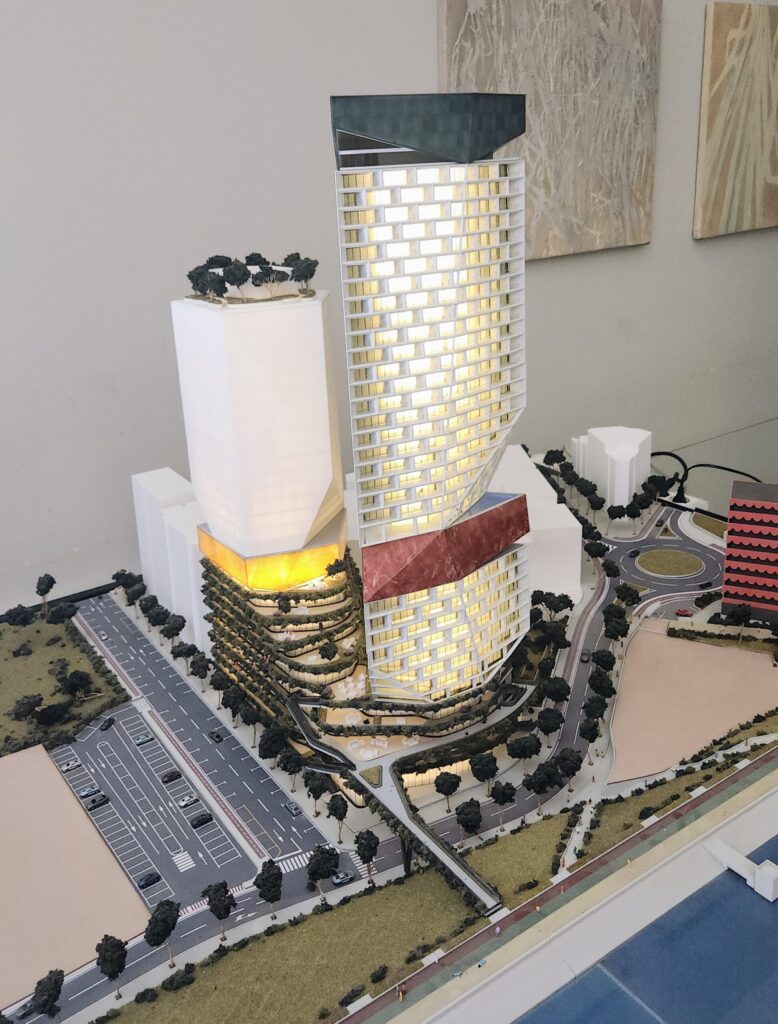
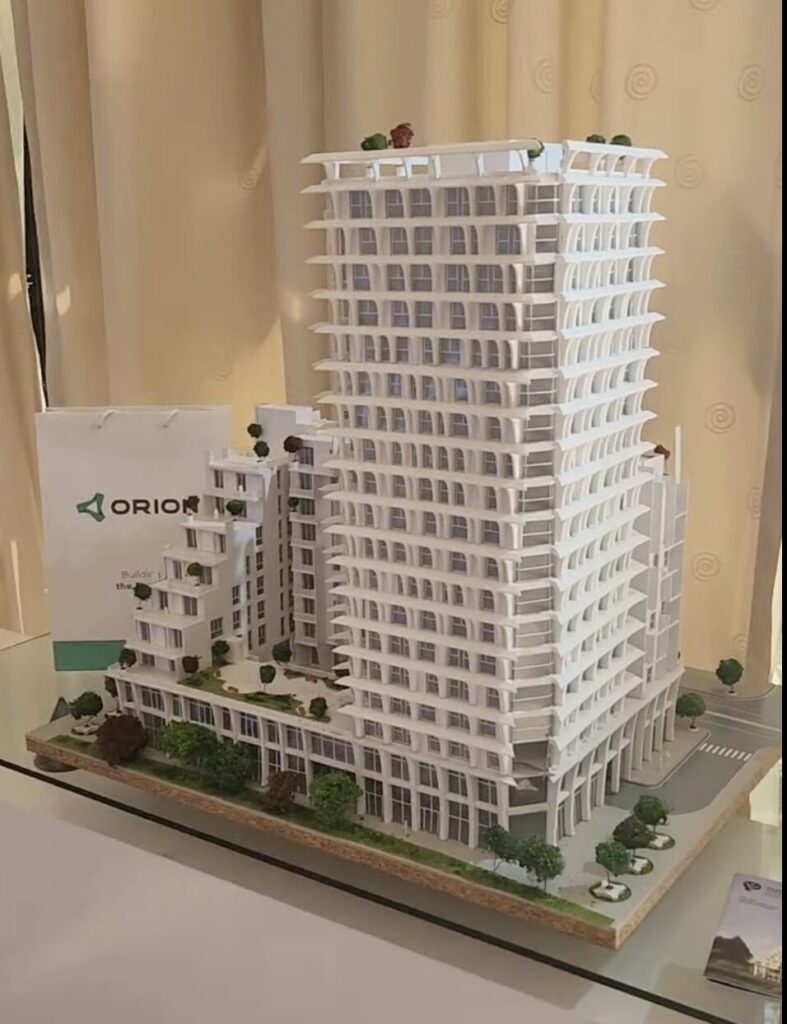
Tirana is currently building luxury mixed-use towers like the Lake Diamond and Klar Alana projects. This construction boom is a primary driver of Albania’s current economic growth, with property prices in high-demand areas like Blloku often exceeding the national average of €1,600/m². Tirana remains a powerhouse for high-yield investment due to stable appreciation and strong rental demand from a growing population of diplomats, expats, digital nomads, and international businesses.
Beyond the capital, Durrës offers accessible sea-view apartments that foreigners can own with 100% rights. The Albanian Riviera, specifically the high-end developments along the Green Coast in Palasa, represents the pinnacle of luxury coastal living, while Sarandë and Ksamil continue to be the “hottest” markets for foreign buyers with prices reaching up to €2,000/m².
For investors seeking alternative opportunities, the heritage stone houses of Berat and Gjirokastër offer unique value, while Kukës is emerging as a “buy early” destination following the opening of the country’s second international airport.
Red Flags: How to Spot A Bad Deal
While there are many professional agents in Albania, the market is also filled with free “agents” and outdated listings. To protect your investment, you should be wary of these common red flags:
Recommended Agents
Finding a reliable agent is essential for navigating the local market and avoiding outdated or ghost listings. While there are many individuals acting as agents, it is best to work with established professionals who have a proven track record with the expat community.
Based on personal experience, here are 2 agents I recommend:
Plan Your Move: While searching for your perfect property, Flatio is a great resource for finding mid-term rentals that allow you to live in an area before buying.