


Imagine you’ve just finished an incredible, slow-cooked traditional meal at a family-run tavern in Albania. The bill arrives. You whip out your AMEX card, only for the waiter to offer a slightly apologetic smile and shake his head: “No card, sorry. Only cash.”
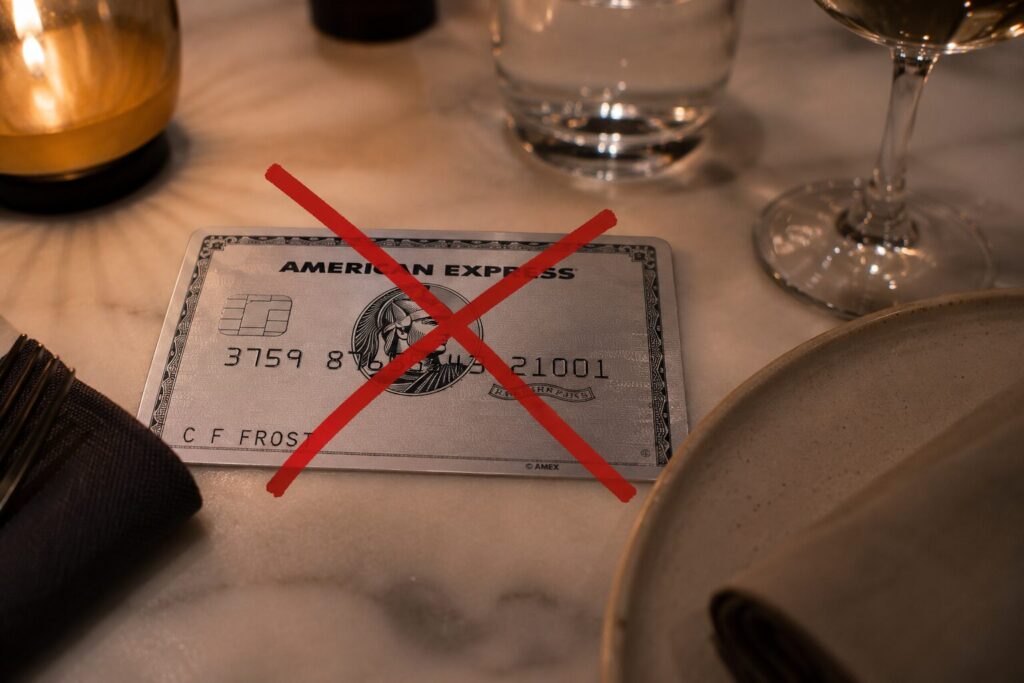
If you are planning a trip to Albania, this is a scenario you will encounter over and over again. While Western Europe has moved towards a cashless, digital-first society, Albania remains firmly grounded in cold hard cash. It’s not just an inconvenience for travelers to adapt to, it’s a core part of how the country functions. To understand why, you have to look at both modern economics and a bit of turbulent history.
The History
To understand Albania’s deep-seated relationship with physical cash, you have to look back to the late 1990s. Following the collapse of a brutal, decades-long communist regime, the country plunged into the wild west of capitalism. Lacking financial literacy and robust banking regulations, nearly two-thirds of the population invested their life savings into massive, state-sanctioned pyramid schemes. When those fraudulent financial companies inevitably collapsed in 1997, the country fell into severe civil unrest, and the banking system shattered.
For an entire generation, that trauma created a profound, completely understandable distrust of financial institutions. When the banks closed their doors and people’s life savings vanished, physical cash became the only thing you could truly rely on. While the modern banking sector here is safe and highly regulated today, that cultural memory lingers. For many locals, keeping money where you can see it and hold it is simply common sense.
High Processing Fees
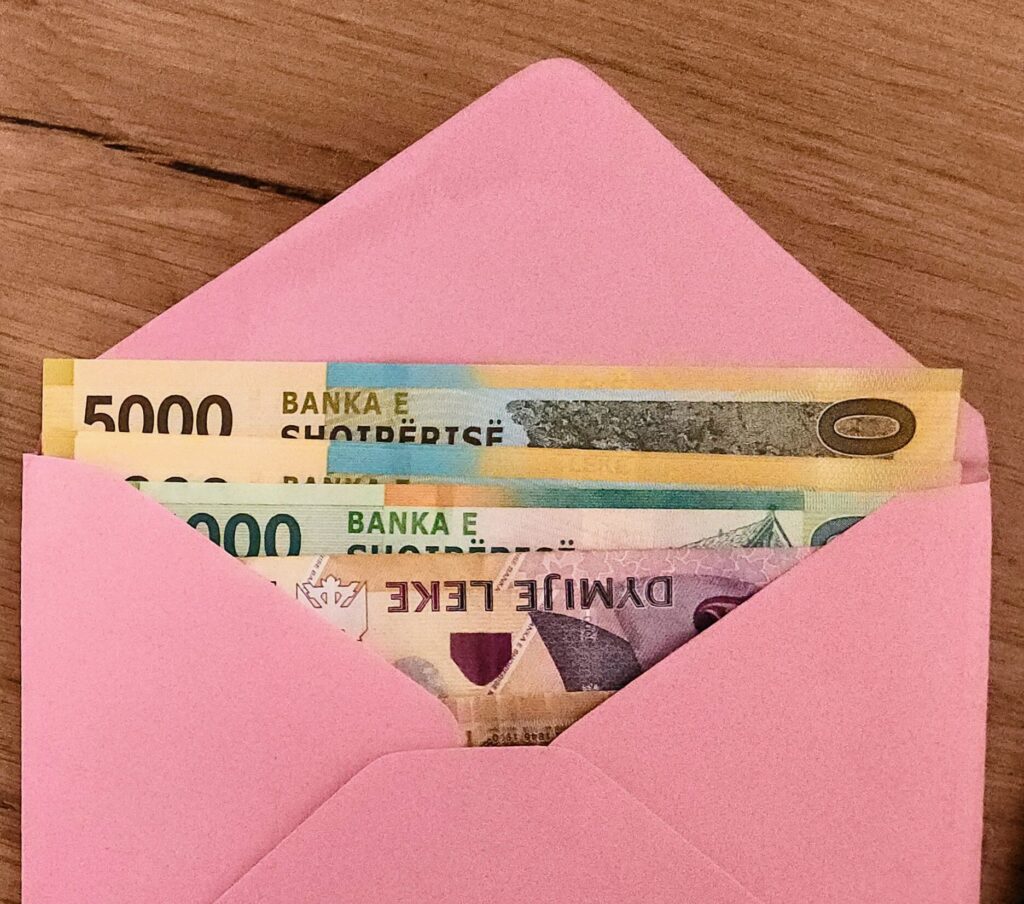
The second piece of the puzzle is purely practical business math. When you use your credit card abroad, you might only worry about whether your bank hits you with foreign transaction fees. But for a local Albanian business owner running a small guesthouse or bakery, accepting card payments is incredibly expensive.
International card processing networks impose high interchange fees, and local merchant accounts often carry steep monthly terminal rentals and transaction cuts. In a country where profit margins on a €2 espresso or a €5 plate of byrek are razor-thin, giving up 3% to 5% of a transaction to a distant banking corporation just doesn’t make sense. When you pay in cash, you are ensuring that 100% of your money goes directly to the family running the business, rather than being eaten up by corporate bank fees.
When you pay in cash, you are ensuring that 100% of your money goes directly to the family running the business, rather than being eaten up by corporate bank fees.
Tips for Navigating Albania’s Cash Economy
Embracing the cash culture is part of the adventure, but it does require a little strategy to avoid getting stung by fees yourself. Here is how to handle your money like a pro:
Cash solves one problem. These apps you’ll need in Albania help with taxis, food delivery, maps, communication and the rest.
