

When people think of the Mediterranean, they often picture the cathedrals of Italy or the white-washed chapels of Greece. But tucked away in the Balkans, Albania holds a spiritual story that is just as ancient and far more resilient. For Catholic travelers, a journey through Albania isn’t just a sightseeing tour—it’s a walk through a history of hidden faith and modern-day miracles.
CRITICAL TRAVELER NOTE: I am an expat sharing my own research and personal insights. I am NOT a religious official or a licensed tour guide. While these sites are generally open to the public, always respect local prayer times, dress modestly (shoulders and knees covered), and check for local feast day closures.
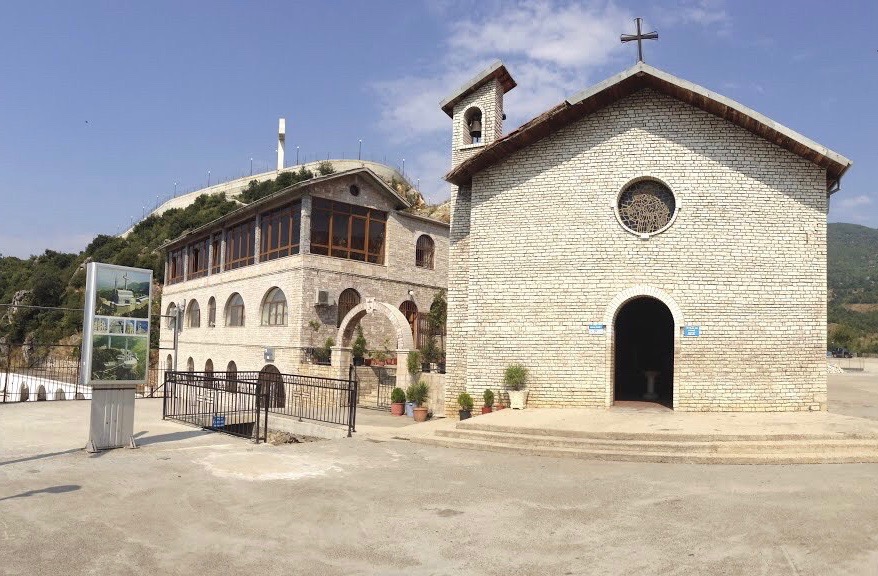
The Pilgrimage to Laç: Saint Anthony’s Church (Kisha e Shna Ndout)
If you are in Albania on a Tuesday, you will notice a strange phenomenon: crowds heading toward the town of Laç. This is home to Saint Anthony’s Church, arguably the most sacred spot in the country for Catholics (and many other faiths, too).
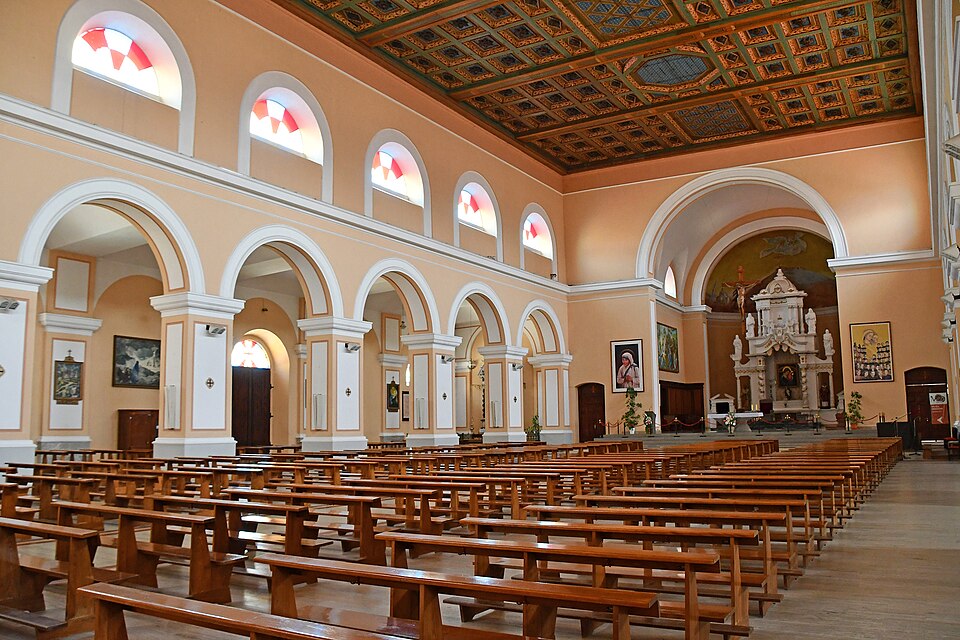
Shkodër: The Cradle of Catholic Culture
Shkodër is the undisputed heart of Albanian Catholicism. While the rest of the country feels like a blend of East and West, Shkodër feels distinctly European, with its bike-friendly streets and artsy, religious spirit.
Narta Lagoon: St. Mary’s Monastery
Just north of Vlorë lies the tranquil Narta Lagoon, which holds one of the region’s hidden gems: St. Mary’s Monastery.
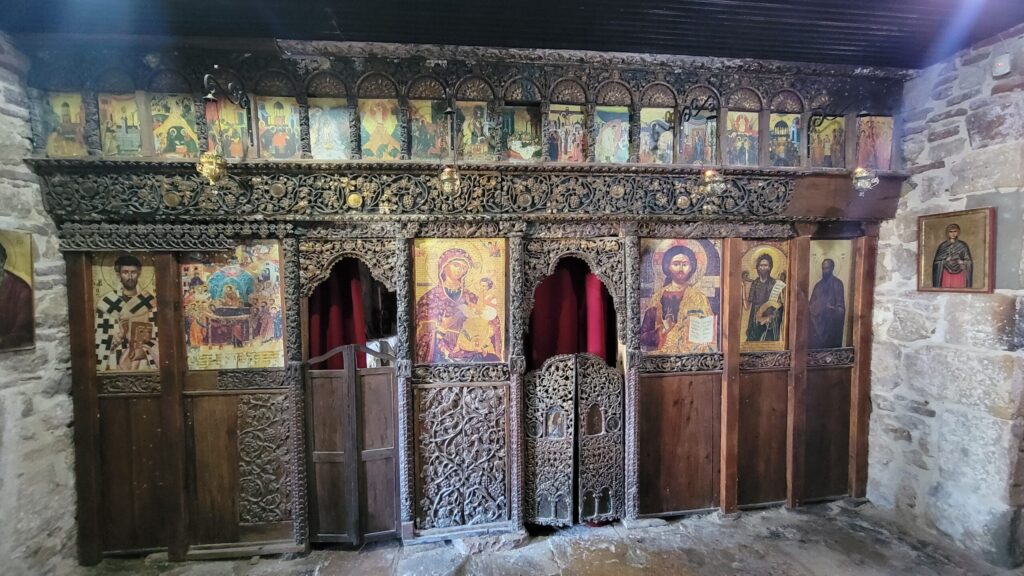
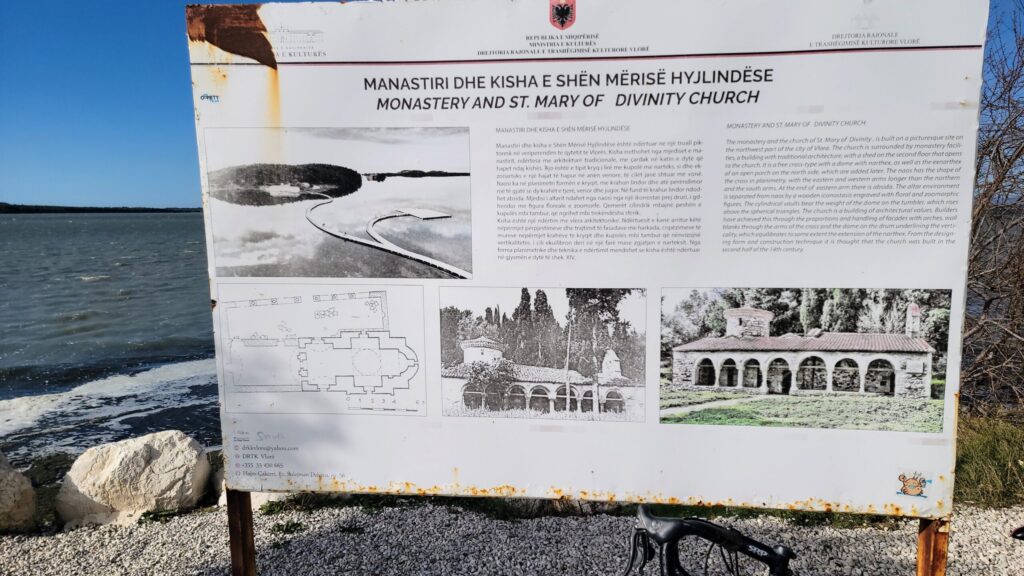
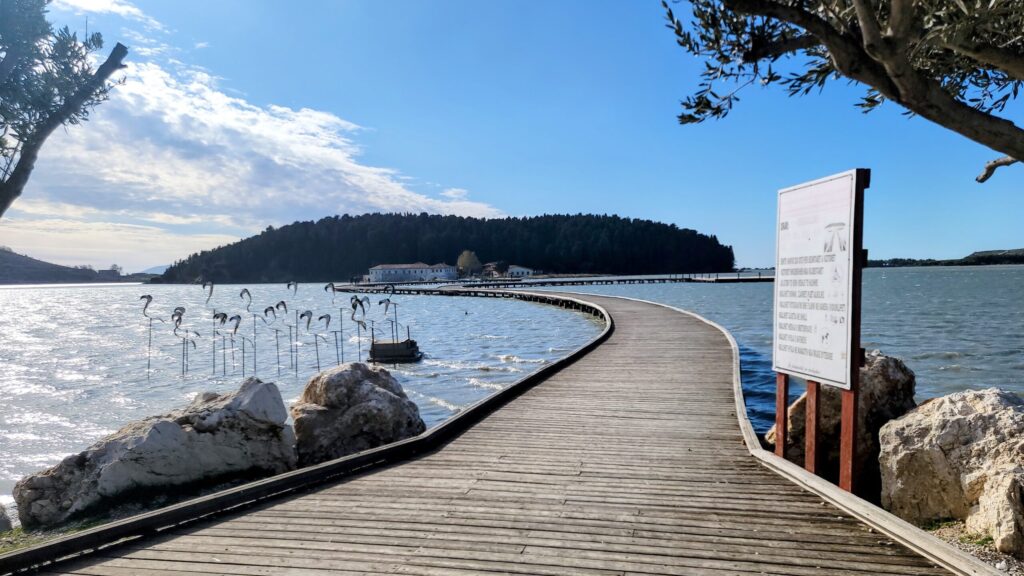
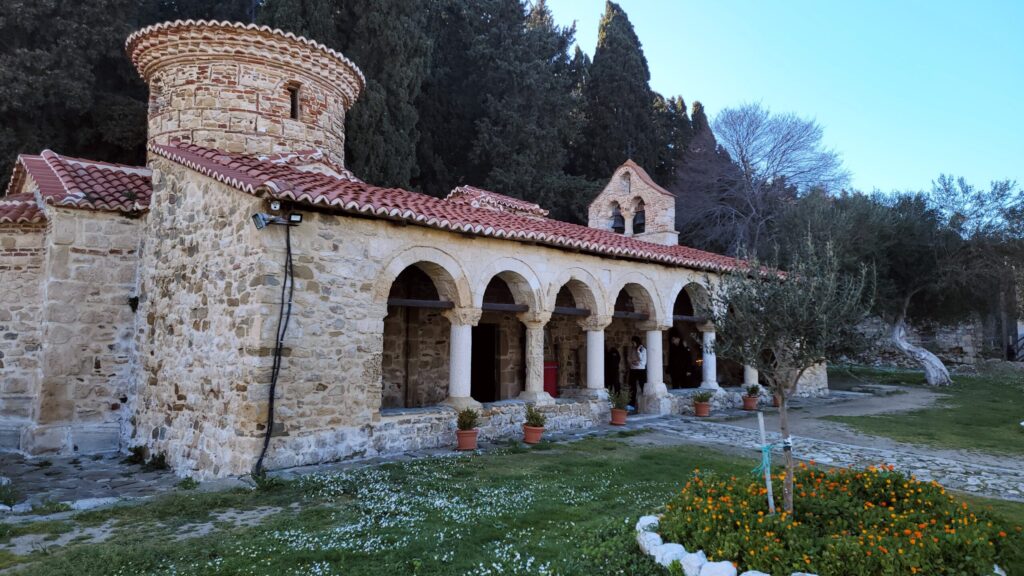
Byzantine Mosaics and Ancient Roots
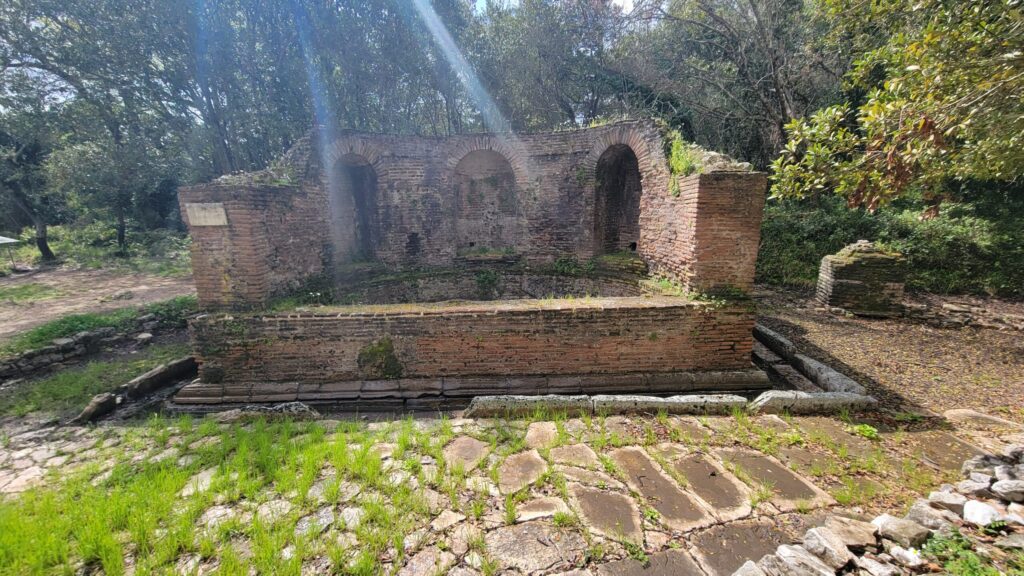
For the “archaeology-meets-faith” traveler, keep your eyes on the floors. Many of Albania’s ancient sites, like Butrint, feature incredible Byzantine mosaics from early Christian basilicas. These sites pre-date the Great Schism and offer a look at the very first centuries of the faith in the Balkans.