


Albania can feel pretty easy to adjust to at first. There are plenty of modern conveniences, familiar brands, busy cafés, and everyday comforts that won’t feel especially foreign to Americans.
But once you spend more time here, some differences become hard to miss. Some are funny, some are frustrating, and some just take getting used to. Here are six culture shocks Americans often experience in Albania.
1. Cash Is Everything
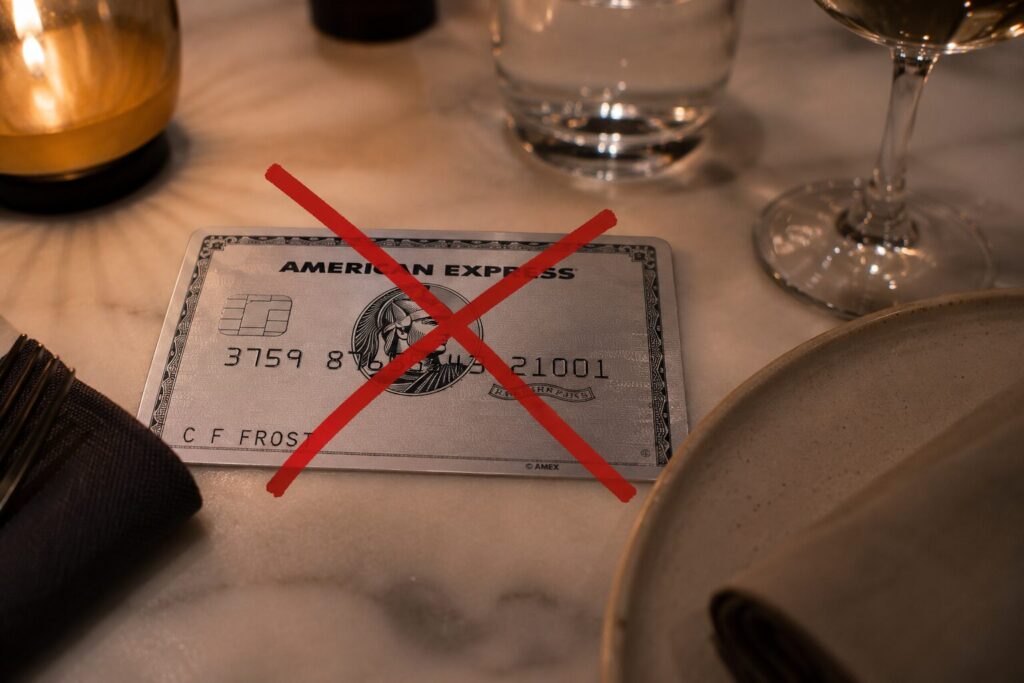
Americans are used to paying for almost everything with a card. Coffee, groceries, taxis, and even tiny purchases can usually be handled with a quick tap of your phone.
Albania is much more cash-heavy. Large supermarkets, hotels, and nicer restaurants usually accept cards, especially in Tirana, but cafés, taxis, small shops, local services, and plenty of everyday businesses may still expect cash. Rent is another big one. Depending on your landlord, you may find yourself handing over several hundred euros in cash every month, which can feel incredibly strange if you’ve spent years paying everything online.
You’ll also quickly become familiar with the country’s ATM situation, including the joy of discovering that some machines charge fairly hefty withdrawal fees. After a while, carrying cash starts feeling completely normal, but for many Americans the first few weeks involve a lot of, “Wait, you don’t take cards?”
See Why You Need Cash in Albania for more on how Albania became this way.

2. The Driving Can Be an *Experience*
This may be one of the first culture shocks you notice. Driving etiquette in Albania is a lot different then most Americans are used to.
Cars may stop in places that don’t appear to be parking spaces. Drivers squeeze through gaps that look physically impossible. Horns are used generously, scooters appear out of nowhere, and crosswalks require a little more awareness than simply assuming every driver will stop.
And then there’s parking. You will eventually see a car parked somewhere that makes you wonder if the driver simply got bored and abandoned it. If you plan to drive here, give yourself a little time to adjust before assuming the rules of the road will be exactly like home.

3. Albania Can Be Loud
Albania is not always a quiet place. Depending on where you stay, you may hear dogs barking, children playing outside, motorcycles revving, construction starting early, neighbors talking across balconies, music drifting from cafés, car horns, and the occasional explosion of fireworks for reasons that may never become clear.
Summer can be especially lively.
Coming from the US, where many residential areas are designed around privacy and separation, apartment living in Albania can feel much more communal. You hear your neighbors, you see your neighbors, and your neighbors may know exactly when you leave the building and when you come home.

4. Nobody Is in a Hurry at the Café
One of the easiest Albanian habits to fall in love with is café culture.
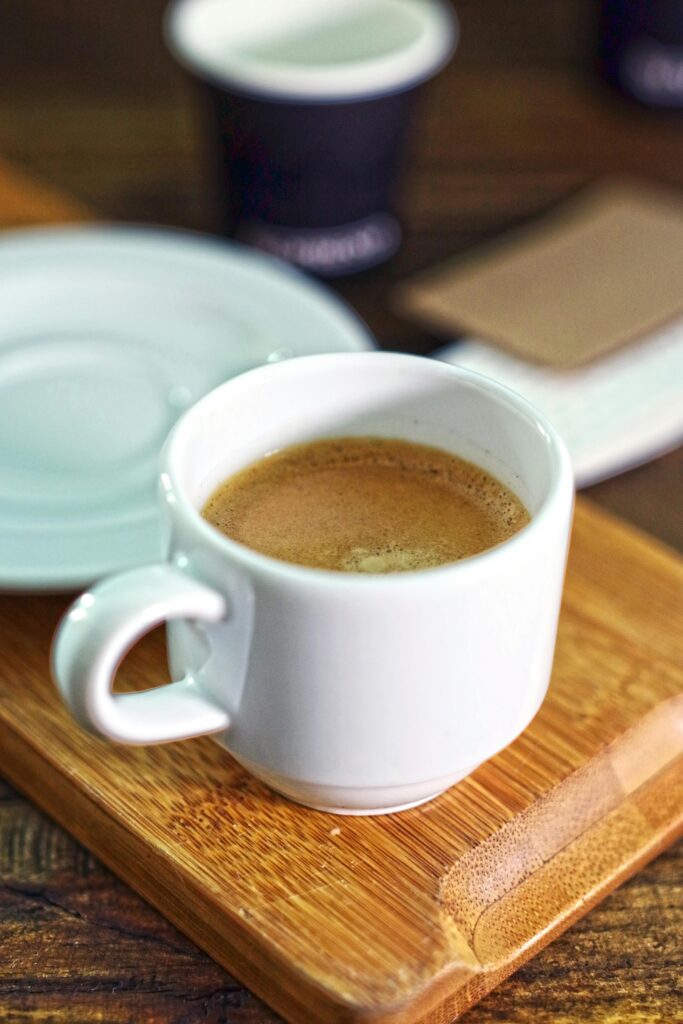
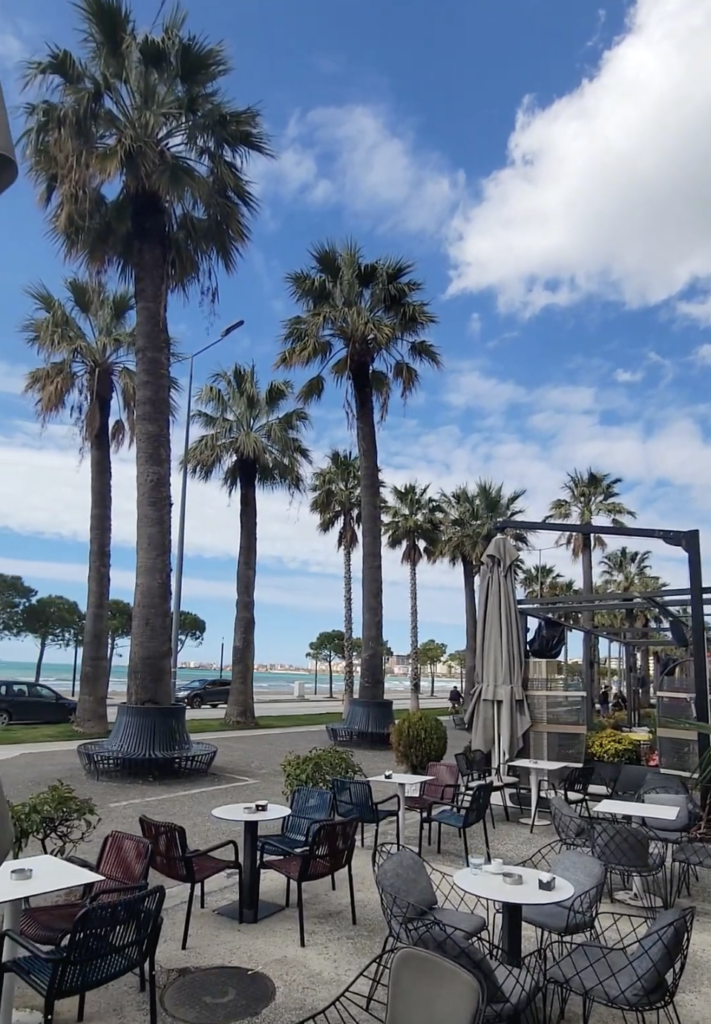
Coffee is not necessarily something you grab while rushing somewhere else. It can be the activity. People sit, talk, order one espresso, and somehow remain at the table long enough to witness several changes in government.
There is generally much less pressure to order another drink, finish quickly, or give up your table. For Americans used to drive-through coffee, takeaway cups, and restaurants trying to turn tables as fast as possible, this can feel wonderfully strange.
It also tells you something important about Albanian social life. Relationships matter. Sitting together matters. Seeing and being seen matters. If you’re trying to make friends after moving here, becoming a regular at a café can genuinely get you farther than downloading another networking app.
See How to Build a Social Life in Albania
5. Things Are More Informal & Unscheduled
The US loves systems: online appointments, tracking numbers, confirmation emails, customer-service departments, clearly posted opening hours, and forms for absolutely everything.
Albania can be much more informal. Sometimes you call someone directly. Sometimes you message them on WhatsApp. Sometimes the answer is basically, “Come tomorrow,” and sometimes “tomorrow” turns out to be more of a philosophical concept than a firm appointment.
This can be frustrating when you’re dealing with bureaucracy, repairs, deliveries, landlords, or local services, but there is another side to it. Once you know someone, things can suddenly become incredibly easy.
A neighbor knows a plumber. Your landlord knows somebody at the internet company. The café owner knows the person you need to call. A friend sends you the WhatsApp number of someone who solves the problem in 20 minutes.
Albania can feel less system-driven and more relationship-driven, and for Americans who are used to navigating institutions rather than personal networks, that takes some adjustment.
See 15 Apps You’ll Need in Albania to see how tech is developing here.

6. The Contrasts Can Be Wild
This may be the thing that surprises people most. Albania does not always fit neatly into one image.
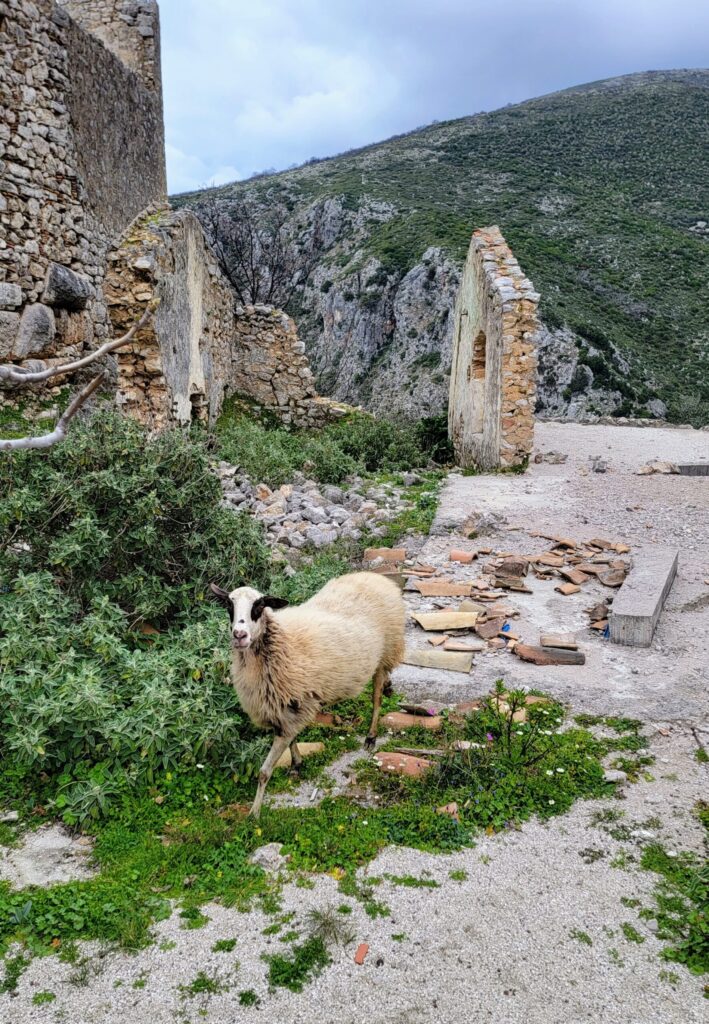
You can be drinking cocktails at a glamorous rooftop bar while looking down at a street with broken pavement. You can pass a brand-new luxury apartment tower and see an older man selling produce from the back of a van five minutes later. You’ll see expensive Mercedes everywhere, but you may also see someone walking a goat down the road.
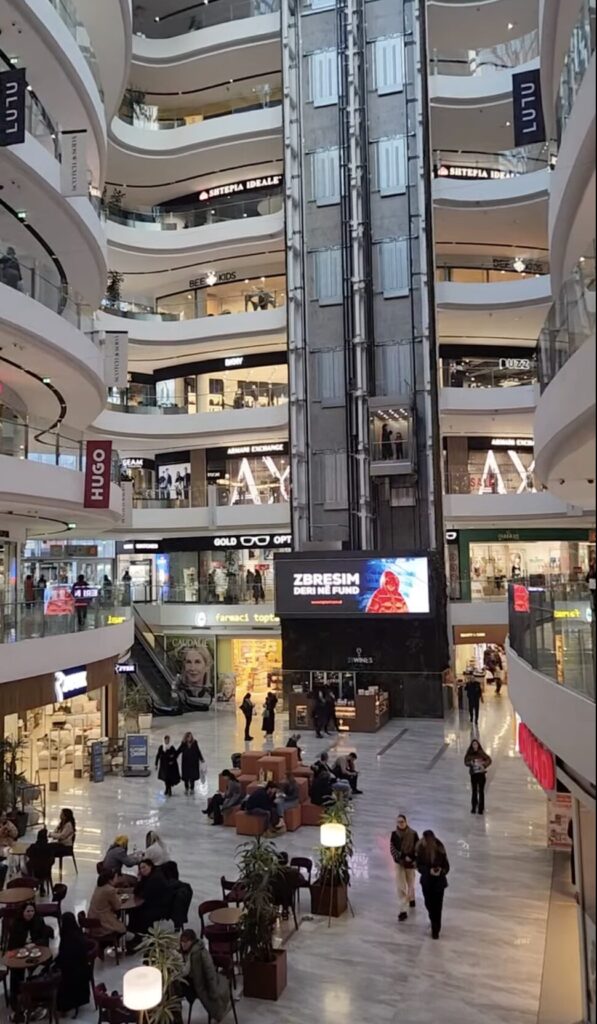
A modern shopping mall can sit surprisingly close to neighborhoods that feel like they belong to another era, and the contrast is not limited to wealth. Albania can feel deeply traditional and surprisingly modern at the same time.
Young people may be completely plugged into global fashion, music, and social media while their grandparents live according to customs that have barely changed in decades. You eventually stop finding these combinations unusual, but when you first arrive, they can make Albania feel like several different countries layered on top of each other.
The Culture Shock Works Both Ways
Something funny can happen after you’ve lived in Albania for a while: you start adapting.
Carrying cash doesn’t seem strange anymore. Sitting at a café for two hours feels perfectly reasonable. You stop expecting everything to happen through an app, and you learn when to trust the crosswalk and when to look twice.
Then you go back to the US and suddenly that feels strange. Everyone seems to be rushing, the grocery stores are enormous, you need to drive 20 minutes just to get coffee, and the price on the menu still isn’t the final amount you pay.
Culture shock isn’t always about deciding one way of doing things is better than another. Sometimes it is simply realizing how many things you once considered normal were really just what you were used to.