


Most expats in Albania use private clinics for everyday care because appointments are easy to book and often cost far less than they’d cost in the US or UK. The confusing part isn’t finding a doctor. It’s figuring out what Albania’s inexpensive residence-permit insurance actually covers.
The short answer: usually not much. A policy that satisfies immigration requirements may cover only certain emergencies, with a modest payout limit. Routine visits, ongoing conditions and major treatment are often paid out of pocket or covered through a separate private plan.
Here’s how public and private healthcare work, what common appointments cost and which insurance options make sense for life in Albania.
The truth about cheap residency health insurance
The basic policy used for an Albanian residence application usually costs 5,000 to 14,000 ALL ($63 to $176) a year. It satisfies the paperwork requirement, but it isn’t full private health insurance.
The Albanian Ministry of the Interior lists proof of health insurance for several residence categories. Digital mobile workers need a policy valid for at least one year.
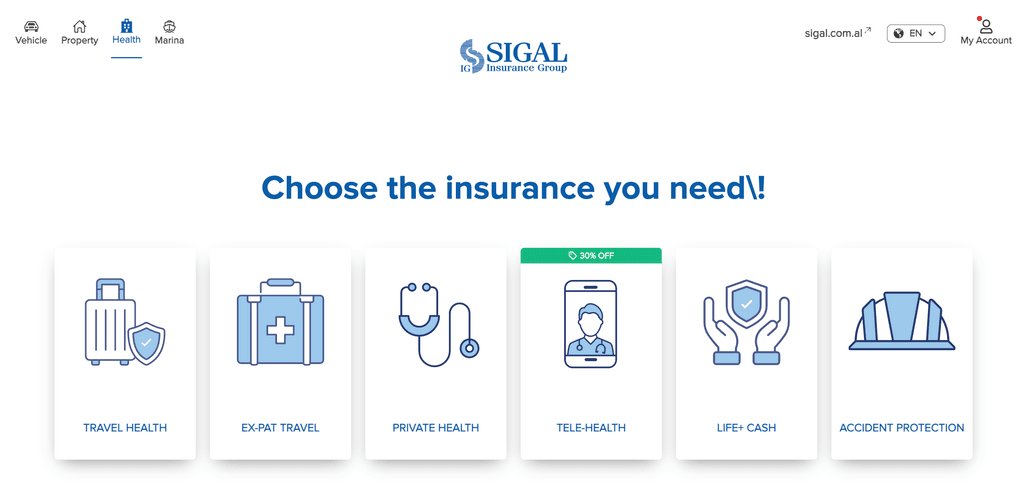
For example, SIGAL’s expat policies include options capped at about 457,000 ALL ($5,735) for emergency illness or accidents or 915,000 ALL ($11,475) for accidents. At American Hospital, a basic residency policy may give around 17% off an emergency-room visit, then cover little or nothing toward the hospital stay, surgery or specialist care that follows.
The policy is real. It’s simply a small emergency policy, not comprehensive private coverage.
Before buying, ask for the full policy and check:
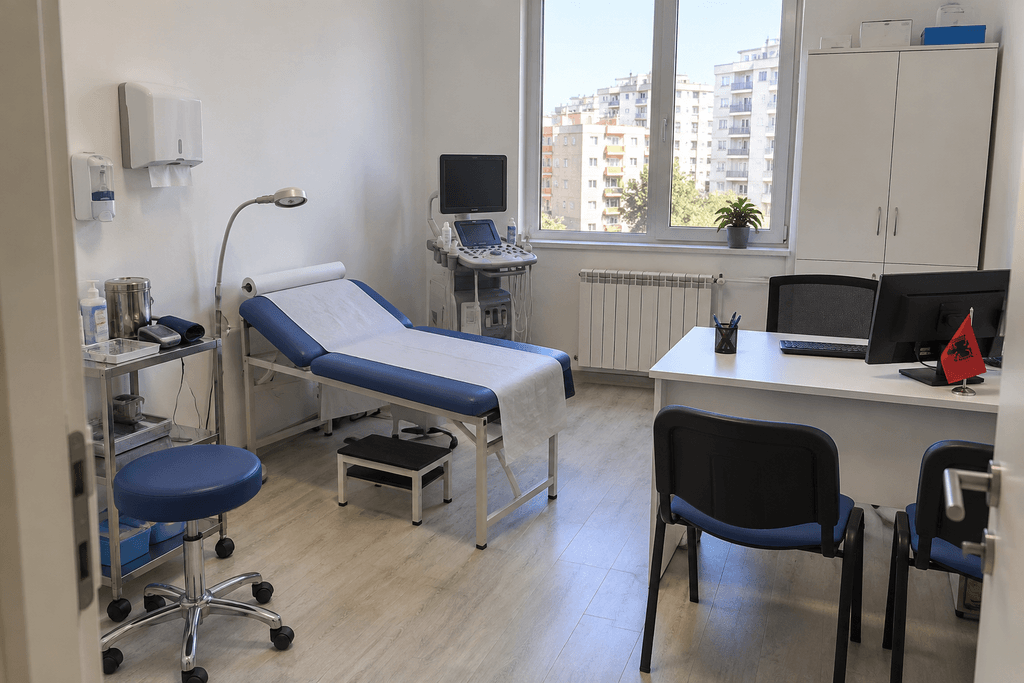
Public healthcare and private healthcare are separate systems
Albania has both public and private healthcare, but access and payment work differently.
| Public healthcare | Private healthcare |
|---|---|
| Funded through the state and mandatory health contributions | Paid directly or through private insurance |
| Available through public clinics and hospitals | Available through private clinics, laboratories and hospitals |
| Usually requires the correct registration and insured status for full benefits | Usually allows direct appointments without entering the public referral system |
| Can be inexpensive for eligible patients | Costs more, but routine care may still feel affordable to foreign residents |
| Specialist access and equipment vary by location | The broadest range of private specialists is concentrated in Tirana |
Who can use the public system?
Holding a residence permit doesn’t automatically mean every public health service is free. Access depends on your registration and insurance status.
Employees and registered self-employed people pay mandatory social and health contributions through Albania’s tax system. A self-employed resident commonly budgets about 13,000 to 14,000 ALL ($163 to $176) a month, or roughly 159,000 ALL ($1,995) a year, for these contributions. Accounting fees are separate. The Albanian tax authority calculates the payment using statutory salary bases.
Those contributions are different from buying a low-cost private policy for residence paperwork.
What is public care like?
Public hospitals handle emergencies and provide low-cost treatment, but waits are longer and equipment is less consistent outside Tirana. Sarandë went years without a public mammogram machine, and public MRI reports can take weeks or months.
Families also take on more of the bedside care. Relatives may bring meals, change linens and help the patient move or wash. Informal cash tips have historically been common in public facilities, although they’re illegal and not an official part of the system.
Private care is faster, more comfortable and easier to navigate in English. Many specialists have trained in Italy, Germany or Greece, especially at the larger Tirana hospitals.
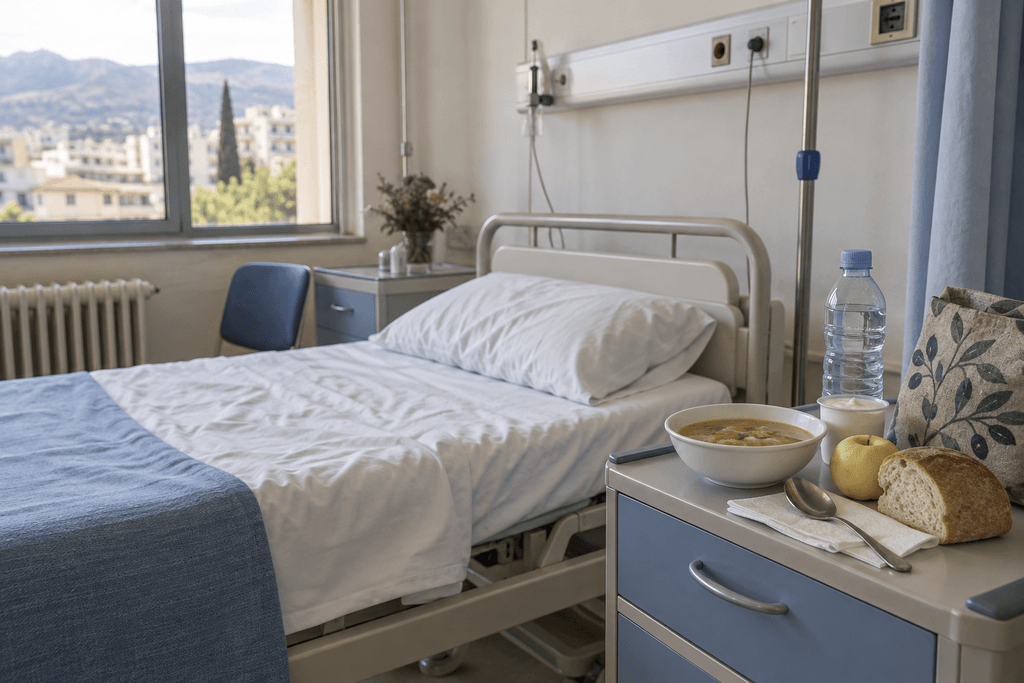
What health insurance costs in Albania
| Type of coverage | ALL | USD |
|---|---|---|
| Basic residence-permit policy | 5,000 to 14,000 ALL a year | $63 to $176 a year |
| Fuller local private insurance | 27,500 to 55,000 ALL a year | $345 to $690 a year |
| International hospital plan for a middle-aged adult | Around 18,300 ALL a month | Around $230 a month |
| Cigna Close Care example at age 50 | About 20,700 ALL a month | $260 a month |
| Cigna Close Care example at age 65 | About 33,800 ALL a month | $424 a month |
1. Pay as you go
Many healthy residents buy the 5,000 to 14,000 ALL ($63 to $176) residency policy and pay directly for doctor visits, tests and prescriptions. Routine care is inexpensive enough that this can work well, but it leaves the full cost of surgery or a long hospital stay with you.
For everyday concerns that don’t need a hospital visit, Albania also has several online doctor services for expats.
2. Buy broader local private insurance
Fuller local policies from companies such as SIGAL and INSIG usually cost around 27,500 to 55,000 ALL ($345 to $690) a year. They can include private outpatient appointments, routine tests and emergency treatment at partner facilities in Albania. SIGAL’s private plans can also include check-ups, maternity follow-up and treatment inside or outside Albania.
Check the annual limit and hospital network before choosing the cheapest plan. Hospital admission, day surgery and medical evacuation may also need pre-approval.
3. Use international medical insurance
International coverage makes sense if you’d want major surgery or cancer treatment in Greece, Italy, Turkey or another country. A hospital-and-surgery plan without US coverage costs around 18,300 ALL ($230) a month for a middle-aged adult with no deductible.
Age pushes that price up quickly. One recent Cigna Global price comparison gave these monthly examples for worldwide coverage:
| Age | Silver | Gold | Platinum |
|---|---|---|---|
| 53 | 26,900 ALL ($337) | 36,400 ALL ($457) | 48,200 ALL ($604) |
| 65 | 43,700 ALL ($548) | 59,200 ALL ($743) | 78,300 ALL ($982) |
The cheaper Close Care option in the same comparison was 20,700 ALL ($260) a month at age 53 and 33,800 ALL ($424) at age 65. US coverage, outpatient care, evacuation, dental and vision cost extra.
Medical history can matter more than age. Diabetes, asthma and other chronic conditions may be excluded or priced separately. Someone with a previous heart attack or an implanted cardiac defibrillator may be declined completely rather than offered a higher premium. Get international cover before a new diagnosis appears if this is part of your long-term plan.
What private healthcare costs in Albania
These are the rates people usually pay at private clinics. Large hospitals tend to charge more than independent doctors and laboratories.
| Service | Typical price | Approximate USD value |
|---|---|---|
| Private GP or general consultation | 3,000 to 8,000 ALL | $38 to $100 |
| Specialist consultation | 3,300 to 6,500 ALL | $41 to $82 |
| Blood tests or a larger lab panel | 1,500 to 10,000 ALL | $19 to $125 |
| Standard X-ray or ultrasound | 2,000 to 4,500 ALL | $25 to $56 |
| Dental cleaning | 3,300 to 5,500 ALL | $41 to $69 |
| Dental implant | 65,000 to 70,000 ALL | $815 to $878 |
| Common pharmacy medication | 200 to 1,600 ALL | $3 to $20 |
Ask for the price in lek before a procedure. Many private clinics accept cards, although smaller offices may prefer cash.
The medical and dental tourism guide has more detail on larger procedures, dental work and comparing clinics.

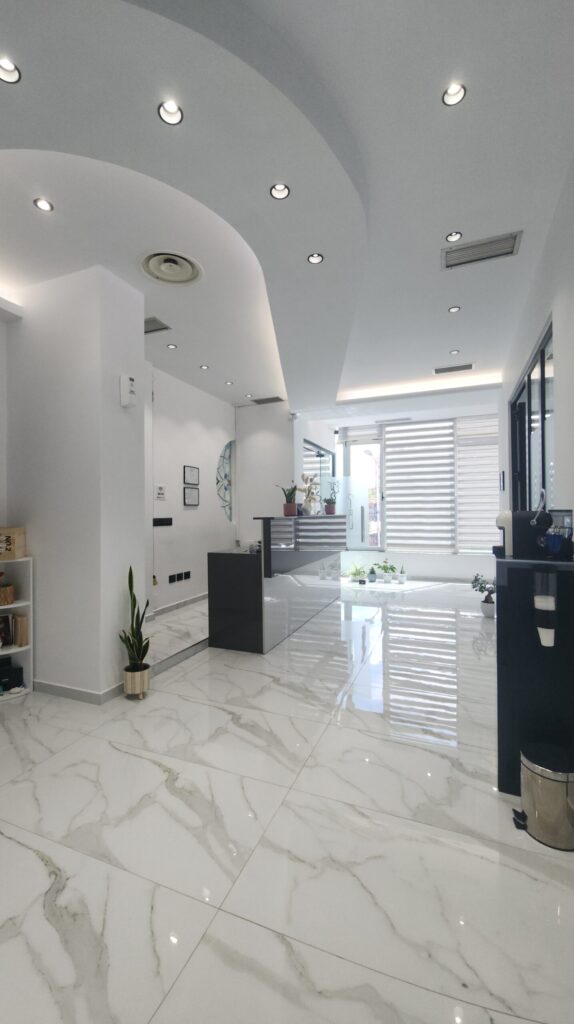
Private hospitals in Tirana
The largest private hospitals are concentrated in and around the capital. Three well-known options are:
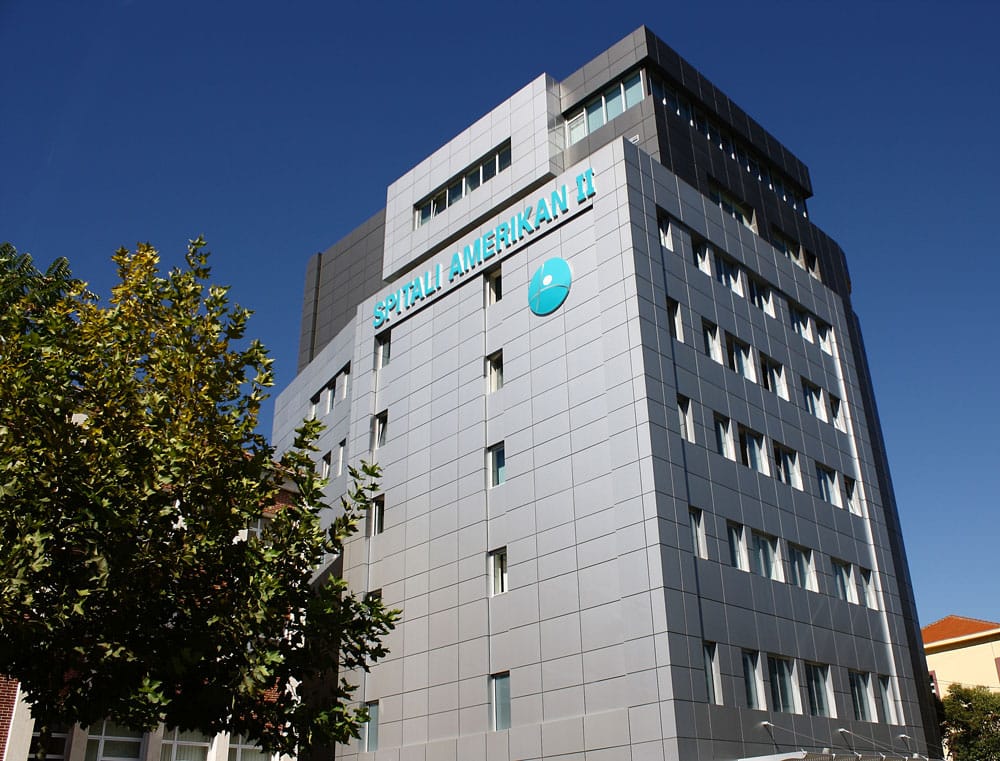
- American Hospital: A private hospital group with several Tirana locations and 24-hour emergency departments.
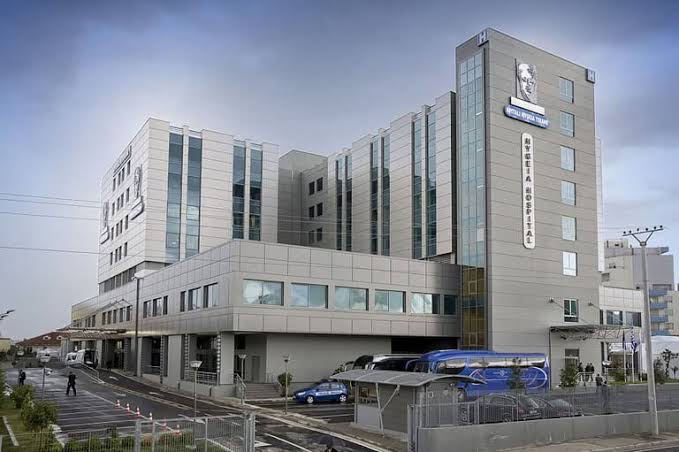
- Hygeia Hospital Tirana: A general private hospital with maternity, paediatric, diagnostic, surgical and emergency services. Hygeia also sells annual health cards with selected benefits, but a hospital discount card isn’t automatically the same as insurance.
- Salus Hospital: An Italian-Albanian private hospital offering medical, diagnostic and surgical services.
For planned treatment, compare the doctor, written quote and aftercare. Insurance agreements can apply to one service or doctor but not another.
Healthcare outside Tirana
Vlorë, Durrës, Sarandë and other regional cities have pharmacies, dentists, laboratories, imaging centres and private doctors. Vlorë also has private radiology options such as Gega Clinic. Most everyday care can be handled locally.
For complex diagnostics, surgery, cardiology or oncology, coastal residents usually travel to Tirana. The capital also has specialist laboratories such as BioMedica and GeniusLab. Some residents use private hospitals in Greece, Italy or Turkey for major treatment.
The city-by-city healthcare guide has more detail on doctors, diagnostic centres and medical supplies in Tirana, Vlorë, Fier and Shkodër. If healthcare access will influence where you settle, the Tirana versus Vlorë comparison also looks at infrastructure and day-to-day differences.
Prescriptions and pharmacies
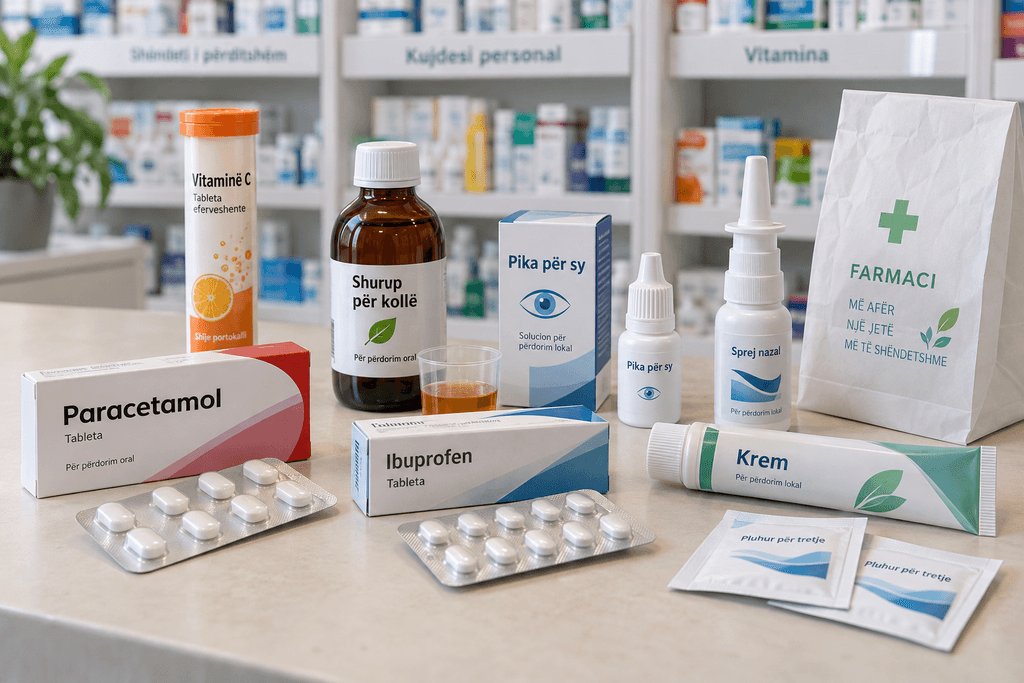
Albanian pharmacies are often the first stop for minor health questions, and many common medicines are easy to find. That doesn’t mean every medication is sold without a prescription or that the same brand and dosage will be available.
Bring a 3 to 6 month supply of essential medication when possible, plus copies of your prescriptions and the generic drug names. ADHD medication, strong pain medication, sedatives and other controlled drugs can be difficult to find or legally restricted.
A pharmacist may be able to locate an Albanian or European equivalent, but don’t depend on informal importing for a medication that can’t safely be interrupted.
The Albania pharmacy guide includes more detail on availability, common prices and harder-to-find prescriptions.
A practical healthcare checklist before moving
The expat packing list includes medical and self-care items worth bringing from home. Travelers with mobility needs can also use the Albania accessibility guide for transport, step-free stays and mobility-equipment information.
The practical guide to moving to Albania covers the rest of the relocation process, including residency, banking and everyday setup.
Frequently asked questions
Is healthcare free for foreigners in Albania?
Not automatically. Public coverage depends on eligibility, registration and contributions. Private care is normally paid directly or through private insurance.
Does the cheap residence-permit policy cover private hospitals?
Only in a limited way. Common policies cap emergency benefits at about 457,000 ALL ($5,735) or 915,000 ALL ($11,475). A policy may also give about 17% off an American Hospital ER visit without covering the hospital stay or follow-up treatment.
Can I live in Albania without comprehensive private insurance?
Yes. Many residents pay cash for routine private care and keep 80,000 to 160,000 ALL ($1,000 to $2,000) available for unexpected tests or treatment. The risk is having to fund a major operation or long hospital stay yourself.
How much is private health insurance in Albania?
Fuller local insurance usually costs 27,500 to 55,000 ALL ($345 to $690) a year. International hospital coverage starts around 18,300 ALL ($230) a month for a middle-aged adult, while the Cigna examples above rise to 33,800 to 78,300 ALL ($424 to $982) a month at age 65.
Do Albanian hospitals accept international insurance?
Some do, but arrangements differ by insurer, hospital and treatment. You may need advance approval, or you may have to pay first and request reimbursement. Confirm the process before planned care.
Is English spoken in Albanian hospitals?
English is common among many private doctors in Tirana, but it isn’t guaranteed everywhere. Ask for an English-speaking doctor when making the appointment.
What is the best health insurance for an expat in Albania?
A healthy person with savings may prefer the basic residency policy and pay cash for routine care. Older residents, families and anyone who wants surgery covered abroad will usually get more value from broader local or international insurance.
**Guide updated September 21, 2026. Information can change rapidly. Dollar values use the Bank of Albania reference rate of $1 = 79.72 ALL on 21 September 2026.