


Albania still relies heavily on cash, and local banking isn’t always so straightforward. A bank account is useful once you move beyond a short visit, but opening one can mean branch refusals, long appointments, unclear ATM fees and more currency conversion than expected.
The awkward part is opening the account. One branch may welcome foreign customers while another asks for a residence permit you don’t have yet. The right bank, branch and paperwork make a big difference.
This guide covers the banks expats commonly use, the problems people run into and the simplest way to manage money between Albania and the US without losing more than necessary to fees or exchange rates.
USD conversions use the Bank of Albania reference rate of $1 = 79.72 ALL on 21 September 2026.
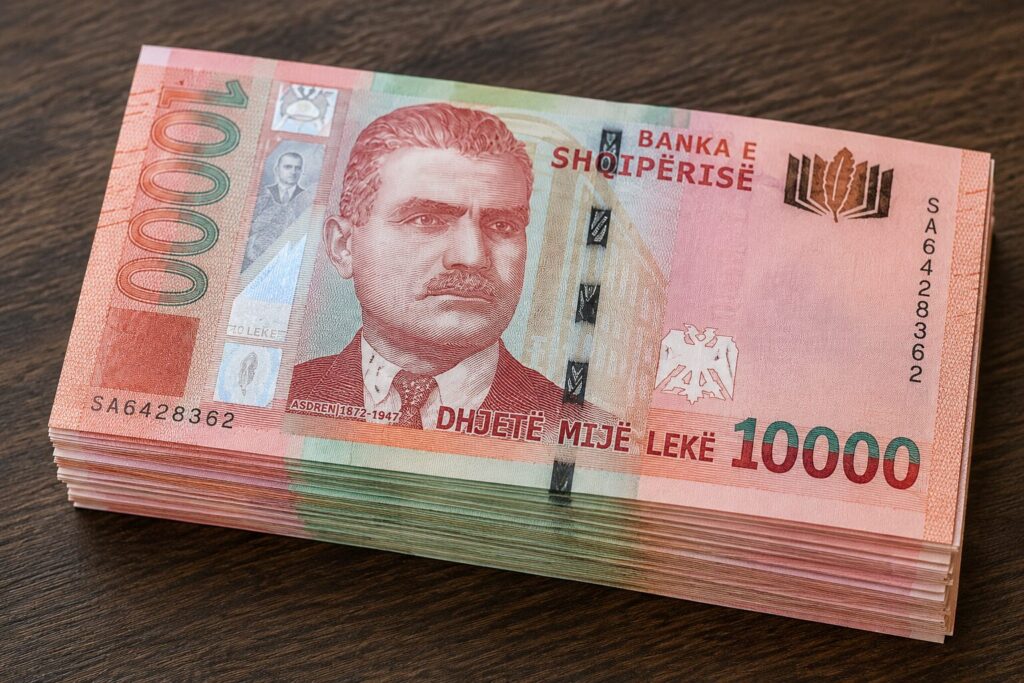
Can a foreigner open a bank account in Albania?
Yes. Foreigners can open accounts in Albania, including people who are still applying for residency. Approval depends on the bank’s compliance checks and, in practice, the branch handling the application.
This creates a residency catch-22 though: immigration may ask for an Albanian bank statement, while a bank employee may ask for an Albanian residence card. If one branch refuses, that doesn’t always mean the bank has a nationwide rule against non-resident customers.
What to bring
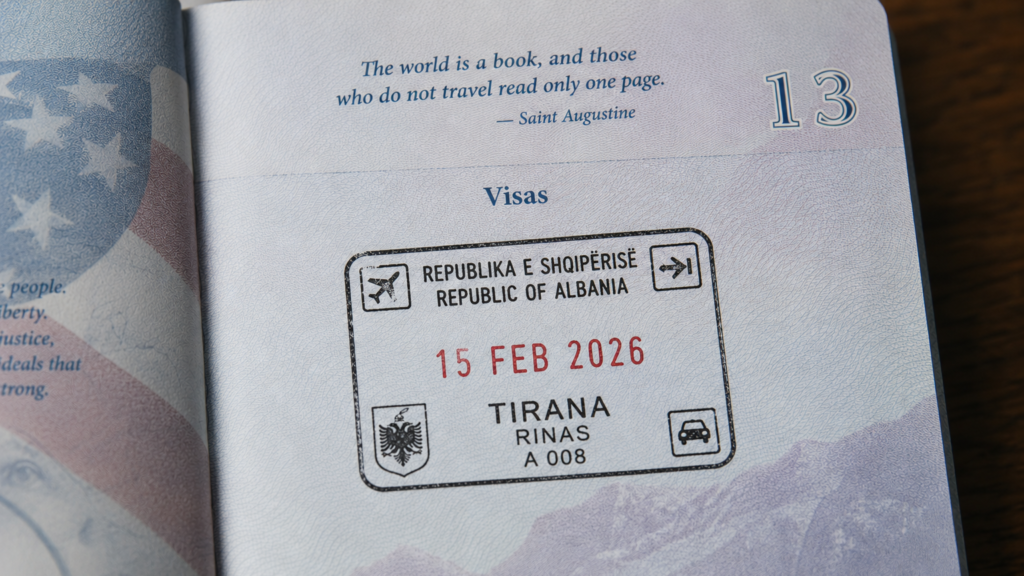
Bring more than the bare minimum so you don’t lose an afternoon to a missing document:
The bank may also ask you to complete FATCA and tax-residency forms. Americans shouldn’t be surprised if the appointment takes an hour or longer.
Banks I recommend comparing first
Raiffeisen Bank and Intesa Sanpaolo are the 2 banks I’d compare first. Neither bank is guaranteed to approve every foreign applicant, and the cheapest choice depends on how you’ll use the account. Still, they don’t attract the same repeated complaints about deceptive ATM conversion screens, unclear withdrawal fees or wildly inconsistent branch rules.
✅ Raiffeisen Bank Albania
Raiffeisen Bank is part of a large European banking group and has a broad branch and ATM network in Albania. Its mobile banking and everyday account services make it a practical first option for someone who wants a mainstream bank rather than a residency workaround.
Ask for the complete fee schedule before opening the account, including monthly maintenance, debit-card costs, incoming international transfers and currency conversion.
✅ Intesa Sanpaolo Bank Albania
Intesa Sanpaolo Bank Albania is another established European-backed option with personal and business accounts. It’s worth comparing with Raiffeisen if you receive international income, run a company or want access to staff accustomed to cross-border banking.
An international parent company doesn’t automatically mean lower fees, so compare the total cost of the account rather than the brand name alone.
Banks and ATMs I would avoid
I wouldn’t recommend Credins, BKT or Union Bank as a first choice for expats. The issues below aren’t minor inconveniences. They affect how much money you receive, whether fees are disclosed clearly and whether the bank will serve you consistently from one branch to another.
❌Avoid Credins ATMs with a foreign card
Credins ATMs are repeatedly flagged for aggressive dynamic currency conversion. Some machines ask users to reject the ATM’s exchange rate on two separate, consecutive screens.
Miss the second prompt and the ATM can apply its own inflated conversion rate. I wouldn’t use a Credins ATM with a foreign card unless no reasonable alternative is available. If you must use one, reject conversion twice and confirm that the transaction is charged in ALL before continuing.
❌Avoid BKT ATMs when the fee isn’t disclosed
BKT ATMs may display a vague warning that additional charges apply without showing the exact charge before the withdrawal is finalized. That isn’t transparent enough. If the machine doesn’t show the full operator fee, cancel the transaction and use another bank’s ATM.
❌Don’t rely on Union Bank as your main bank
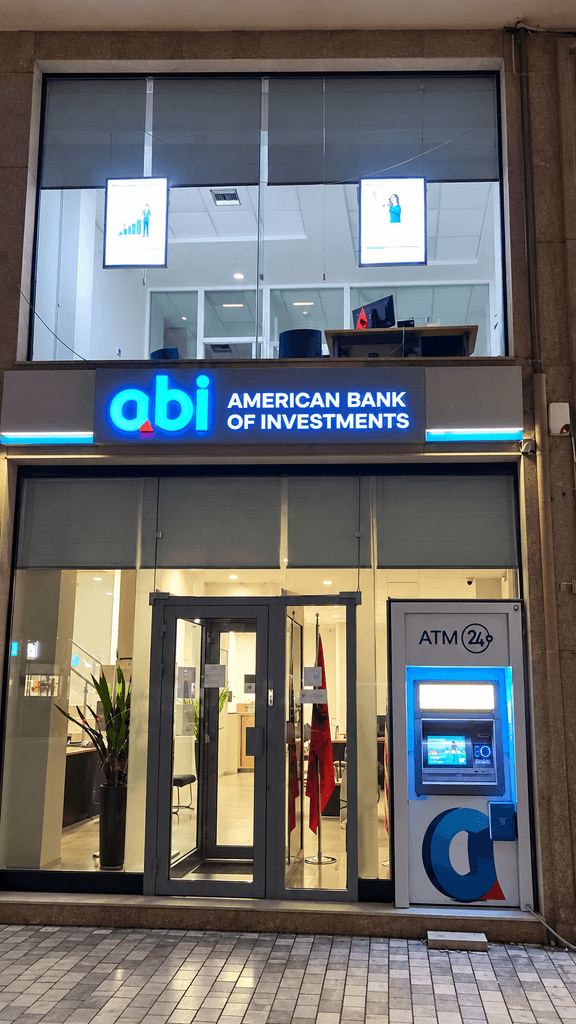
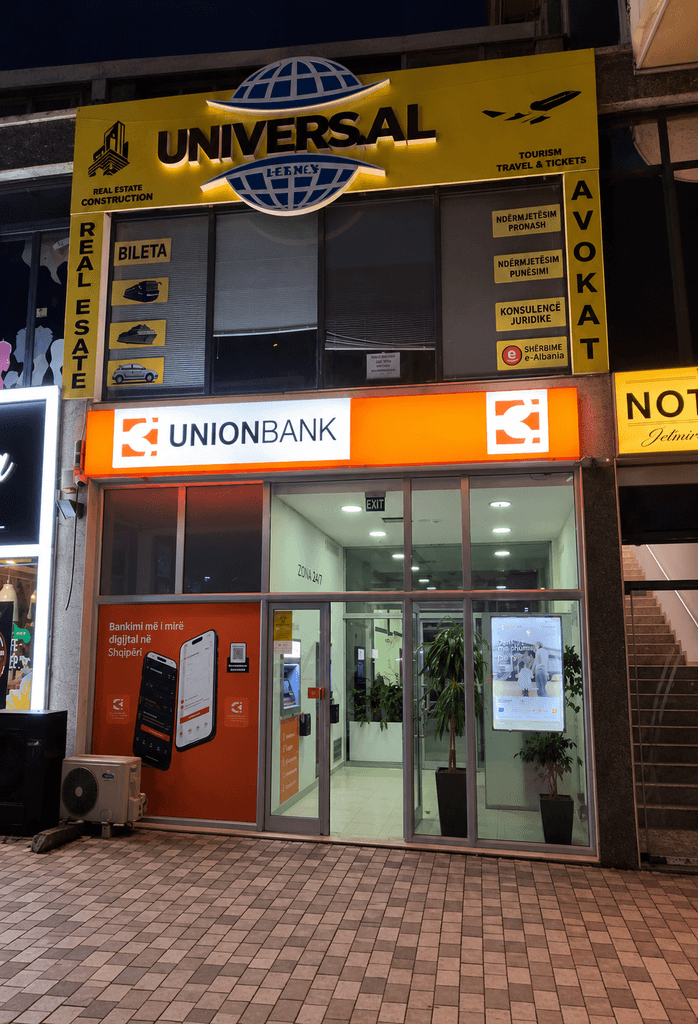
Union Bank is often mentioned as a solution to the residency catch-22, but its treatment of foreign applicants depends heavily on the branch. The central Tirana branch near the King Zog statue has opened accounts using a passport and notarized lease, while the Lezhë branch has turned away foreigners who didn’t already have residency.
That level of inconsistency makes Union difficult to recommend as a primary bank. Its ATMs have also been reported out of cash or stuck at the dispense screen during long holiday weekends.
If every other bank refuses to open an account before residency, the central Tirana branch may still be useful as a last-resort paperwork solution. I wouldn’t rely on Union Bank for all daily cash access or keep more money there than needed for residency and ordinary expenses.
ALL, USD or both?
An ALL account is the most useful option for daily life. Rent, utilities, local transfers and cash withdrawals are normally handled in lek.
Many Albanian banks also offer USD accounts. These can help if you receive dollars or want to avoid converting money before you need it. The bank will still apply its own exchange rate when dollars are converted into lek.
For most expats, the practical setup is:
- An ALL account for local expenses and residency funds
- A USD account only if regular dollar payments make it worthwhile
- A home-country account for savings, income and existing bills
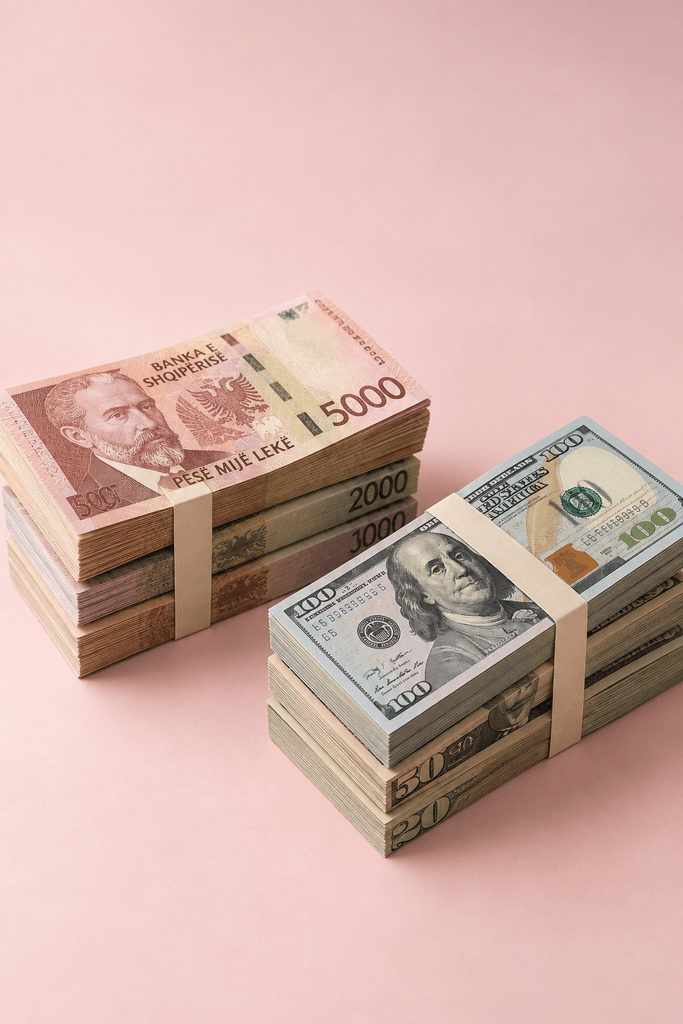
How much money is needed for residency?
The amount depends on the residence category and the documents requested for your application. These are the working figures expats and residency advisers commonly use:
- General proof of funds: Around 300,000 ALL ($3,760) per applicant
- Pensioner residency: Around 1,200,000 ALL ($15,050) in annual pension income
The money may need to appear in an Albanian account with a stamped bank statement. Pensioner applications may also require proof that the pension can be transferred or received in Albania.
Treat the required balance as temporarily locked for the application rather than part of your first-month spending budget. A couple applying together may need to show around 600,000 ALL ($7,525) before paying for rent, deposits, legal help or furniture.
The Albanian residency guide covers permit categories and supporting documents in more detail.
The easiest expat banking setup
Most long-term foreign residents don’t move every dollar into Albania. A three-part setup offers more flexibility:
| Account | Main purpose |
|---|---|
| Home-country bank | Income, savings, US bills and credit cards |
| Transfer service | Moving money internationally with visible fees |
| Albanian bank | Residency funds, local transfers and larger Albanian payments |
This keeps local banking simple without cutting off the accounts and credit history you’ve already built at home.
It also reduces the amount exposed to Albania’s deposit-insurance limit and low local savings returns. Many long-term expats keep only their residency funds and working balance in Albania rather than moving over their entire savings.
The lek can change your budget
The Albanian lek has strengthened considerably against the US dollar. This is good news for someone earning in lek, but it reduces the local value of a US salary, pension or remote-work income.
The difference is easy to see. When $1 bought about 110 ALL, a $1,000 transfer produced roughly 110,000 ALL. At the September 2026 rate of 79.72 ALL, the same $1,000 produces only 79,720 ALL before transfer fees or the bank’s exchange spread.
That is 30,280 ALL less spending power from the same dollar income. Build some exchange-rate movement into a long-term budget instead of treating today’s conversion as permanent.
ATM fees in Albania
Foreign cards commonly face an Albanian ATM fee of around 700 to 800 ALL ($9 to $10) per withdrawal. Your home bank may add another fee on top.
Bank-owned ATMs are usually a better choice than standalone tourist ATMs. Some machines clearly show the operator fee, while others use vague wording such as “additional charges will apply.” Cancel if the exact cost isn’t clear.
Charles Schwab for US expats
The Charles Schwab Bank Investor Checking debit card is popular with American expats because Schwab refunds eligible ATM fees charged by ATM operators and doesn’t charge a foreign-transaction fee on debit-card purchases.
This doesn’t make a bad exchange-rate choice harmless. You still need to decline the ATM’s conversion offer.
Always reject dynamic currency conversion
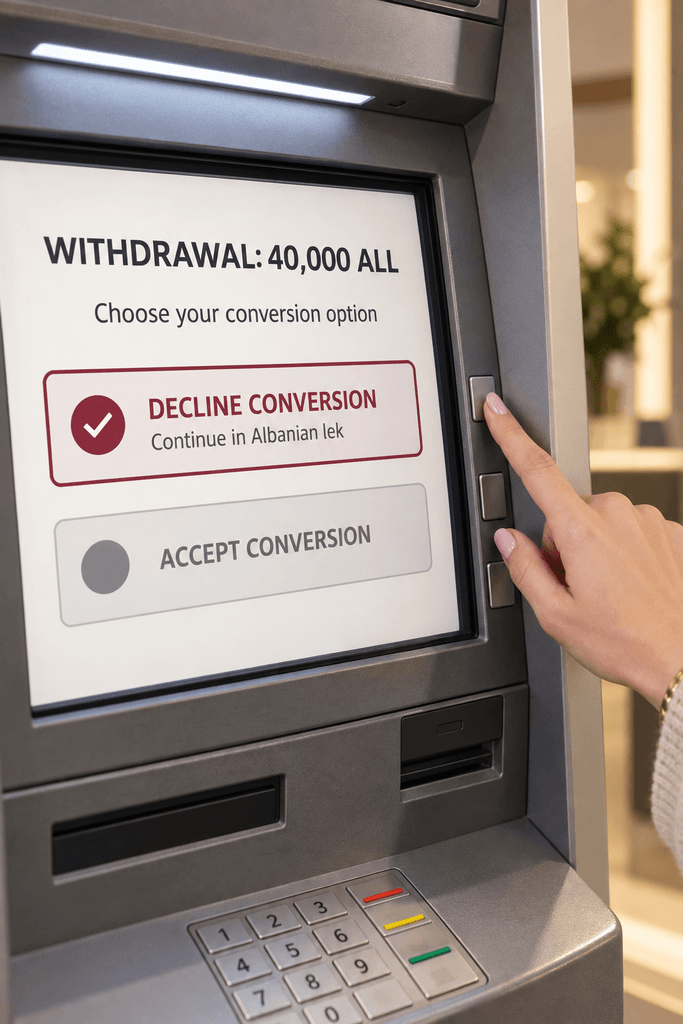
An Albanian ATM may offer to convert the withdrawal into US dollars before charging your card. Select reject conversion, continue without conversion or charge in ALL.
That lets your card network or home bank handle the conversion. The ATM’s own conversion rate is usually worse.
Some machines ask twice. Credins is the bank most often mentioned for showing two separate conversion screens. Read both carefully and keep choosing the option that charges the transaction in ALL.
A withdrawal of 40,000 ALL is already about $502 at the September 2026 reference rate. Compare the ATM’s proposed dollar total with that baseline. The problem isn’t seeing a number close to $500; it’s accepting a total that adds an inflated conversion spread or extra fee on top.
Don’t depend on one ATM
ATMs can run out of cash or freeze during busy holiday weekends. Withdraw essential cash before a long closure, know where a second bank’s machine is located and keep another card in a separate place.
Using Wise or Revolut in Albania
Wise can be useful for sending money to an Albanian bank account because the fee and exchange rate are shown before the transfer is confirmed.
Revolut cards can also be useful for spending and cash withdrawals in Albania. If ALL isn’t held as a separate balance, Revolut converts from an available supported currency when the transaction is processed.
For rent or a large transfer, compare the final amount delivered in ALL rather than only the advertised transfer fee. A small fee with a poor exchange rate can cost more than a larger fee with a better rate.
Keep access to your US phone number
US banks often send security codes by text, especially when a login or transfer comes from abroad. Losing the phone number attached to your accounts can create a much bigger problem than an ATM fee.
Tello is a practical option for keeping a low-cost US mobile number. Set up Wi-Fi calling and test incoming bank texts before leaving the US.
Google Voice works for some security codes, but many banks block VoIP numbers. Don’t rely on it as your only way to access an important financial account.
Also keep backup codes, an authentication app and a second verified contact method wherever your bank allows them.
Cash, cards and everyday payments
Cards are widely accepted at supermarkets, shopping centers, larger restaurants, hotels and private clinics. Cash is still normal for taxis, cafés, markets, small shops, tradespeople and some rental payments.
Carry enough lek for the day without keeping a large amount in your wallet. A local debit card helps with ordinary expenses, while a no-foreign-transaction-fee credit card can be useful for hotels, flights and larger purchases.
Keep some emergency cash at home in a secure place. Power cuts, terminal problems and card-security blocks can happen at inconvenient times.

Is money in an Albanian bank protected?
The Albanian Deposit Insurance Agency protects eligible deposits up to 2,500,000 ALL per depositor, per bank, equal to roughly $31,360 at the September 2026 exchange rate.
Anyone holding more than that may prefer to divide cash between banks or keep long-term savings in an established home-country institution. The protection limit applies per depositor and bank, not separately to every account at the same bank.
Local deposit yields have recently averaged around 1.7%, which isn’t especially attractive once inflation and currency risk are considered. An Albanian account is useful for local life, but it doesn’t have to become the main home for long-term savings.
Banking mistakes to avoid in Albania
The practical guide to moving to Albania covers the rest of the setup process. The realistic moving budget can help you plan the cash needed for deposits, documents and your first month.
Frequently asked questions
Can an American open a bank account in Albania without residency?
Yes, some Albanian banks open accounts for non-resident Americans. If Raiffeisen and Intesa won’t open one before residency, Union Bank’s central Tirana branch may work as a last-resort option. Other Union branches may refuse the same paperwork.
Do I need an Albanian bank account to live in Albania?
Not for a short stay. A local account becomes useful for residency, receiving local payments, making large transfers and paying expenses in ALL.
Which bank is best for expats in Albania?
Raiffeisen and Intesa Sanpaolo are the two banks I’d compare first. I wouldn’t recommend Credins or BKT for foreign-card ATM withdrawals, and Union Bank is too inconsistent between branches to recommend as a primary bank.
How much do Albanian ATMs charge foreign cards?
A common fee is 700 to 800 ALL, or about $9 to $10, for each withdrawal. Some ATMs show the exact operator fee, while others give only a vague additional-charge warning. Cancel if you can’t see what you’ll be charged.
Can I use US dollars in Albania?
Some property and tourism prices may be discussed in dollars, but everyday payments are made in Albanian lek. Pay in ALL unless a written agreement clearly states another currency.
Does Wise work in Albania?
Wise can be used for some transfers into Albanian bank accounts. It doesn’t replace a local ALL account, and supported currencies and transfer routes can change.