

I’m neurodivergent and quite sensitive to noise, smoke, heat, and chaotic surroundings. So, I’ve had to create a few workarounds to feel comfortable staying in and moving around Albania, which is exactly why I wrote this guide.
Albania can be beautiful, but it isn’t always gentle on the senses. Dogs bark at night. Motorcycles rev outside apartment buildings. Cigarette smoke drifts everywhere. Construction starts early. In summer, the sun is intense and the air conditioning may be much weaker than expected.
None of that means a sensitive or neurodivergent person can’t enjoy Albania. It means the right apartment, the right daily routine and a well-stocked sensory kit matter much more than they might in a quieter, more orderly place.
The short version
The biggest sensory challenges in Albania tend to be:
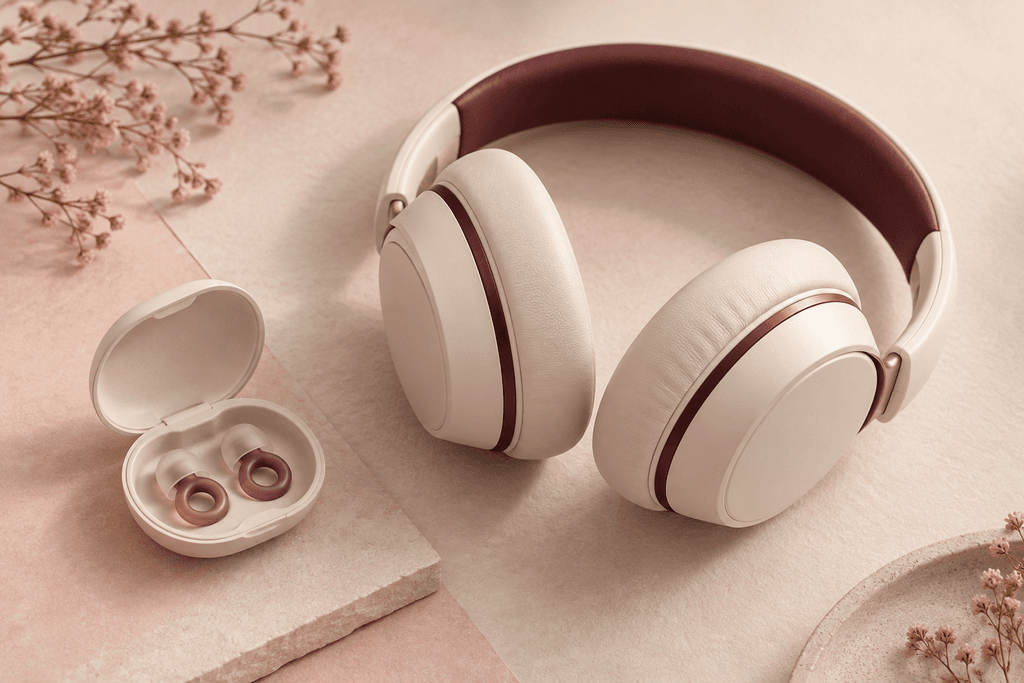
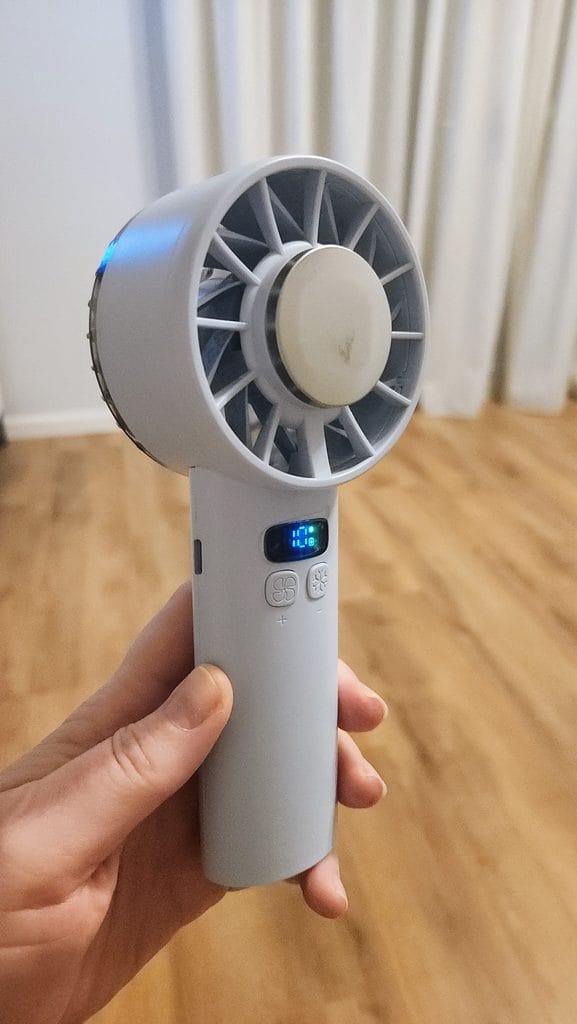
The most useful things I’ve found are a strong white-noise machine, Loop-style earplugs, noise-cancelling headphones, sunglasses, an eye mask, a portable fan and a home environment that feels completely different from the street outside.
Albania can be very loud
Noise in Albania rarely comes from one source. It layers.
You may hear dogs barking, children playing outside, motorcycles revving, car horns, construction equipment, music from cafés, and the occasional explosion of fireworks. In coastal cities, summer brings even more music, traffic and late-night activity.

For sleeping
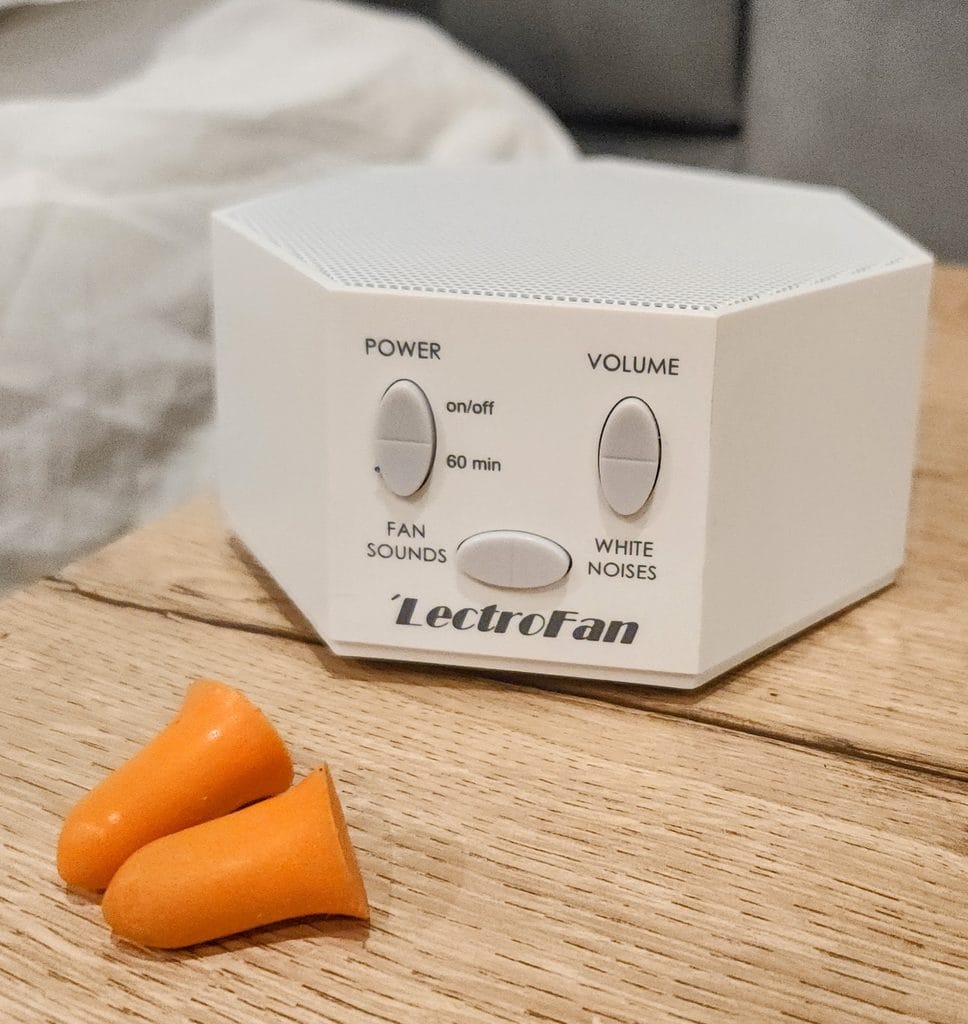
A phone playing soft rain sounds may not be strong enough for an Albanian summer night. I recommend a proper white-noise machine with enough volume to soften barking dogs, voices and traffic.
My ideal sleep setup includes:
- A strong white-noise machine
- Comfortable foam earplugs
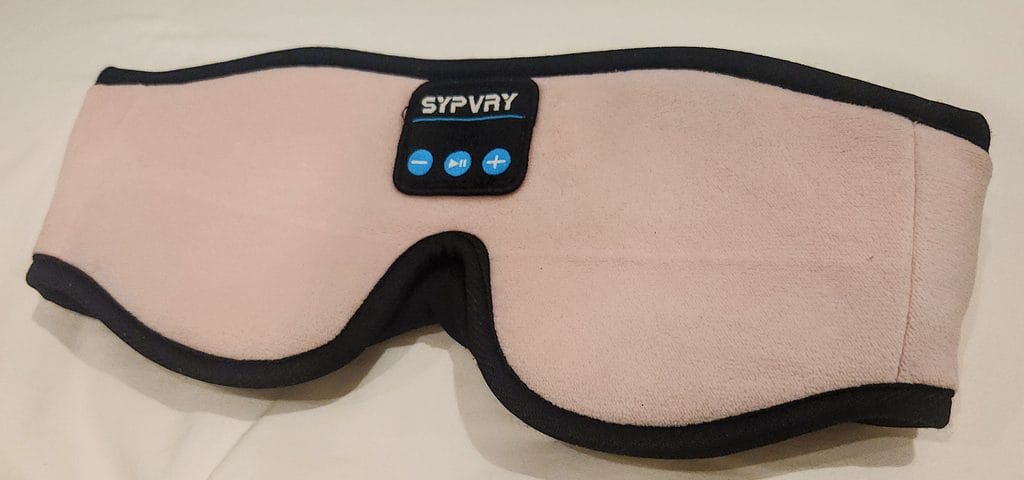
- A blackout eye mask
- Thick curtains or metal shades
- A fan or air conditioner for both cooling and background noise
For outside noise
Noise-reducing earplugs are useful when you still need to hear what’s happening around you. Over-ear noise-cancelling headphones provide more protection in cafés, on buses or during long waits at government offices.
Keep traffic safety in mind. Albania’s streets require attention, so use transparency mode or leave one ear uncovered near busy roads.
Choose your apartment for your nervous system
A gorgeous apartment can become miserable if it sits above a café, beside a construction site or across from a yard full of dogs. Photos won’t tell you what the building sounds or smells like.
Visit the street more than once before signing a lease. Check it in the morning, after dinner and during the weekend. Stand quietly with the windows open, then close them and listen again.
Watch out for:
Ask to test every air conditioner. Check both the cooling and heating settings instead of accepting the agent’s assurance that everything works.
Ground-floor apartments may receive more street noise and cigarette smoke. Top-floor apartments can become extremely hot in summer. A middle floor with double-glazed windows and a bedroom facing away from the street is often the most comfortable compromise.
My apartment hunting guide explains listings, inspections, deposits and common rental surprises in more detail.

Cigarette smoke is difficult to avoid
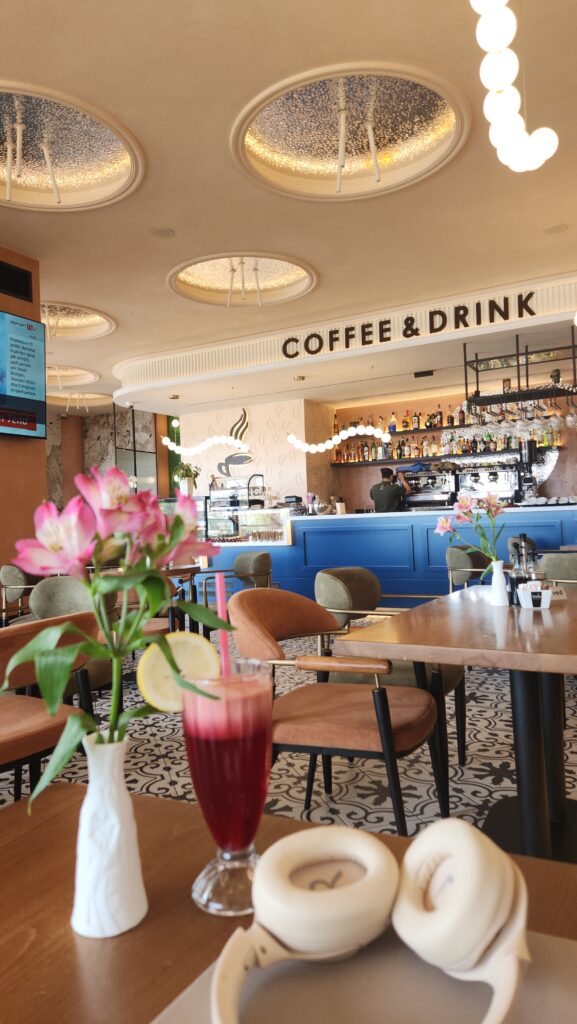
Smoking remains common in Albania, including indoors at many cafés or inside terraces that are technically enclosed. Outdoor seating doesn’t guarantee fresh air either. Someone may light a cigarette at the next table five minutes after your coffee arrives.
If smoke triggers headaches, nausea, breathing problems or sensory overload, check the tables before ordering. Don’t wait until you’ve bought food to discover that everyone around you is smoking.
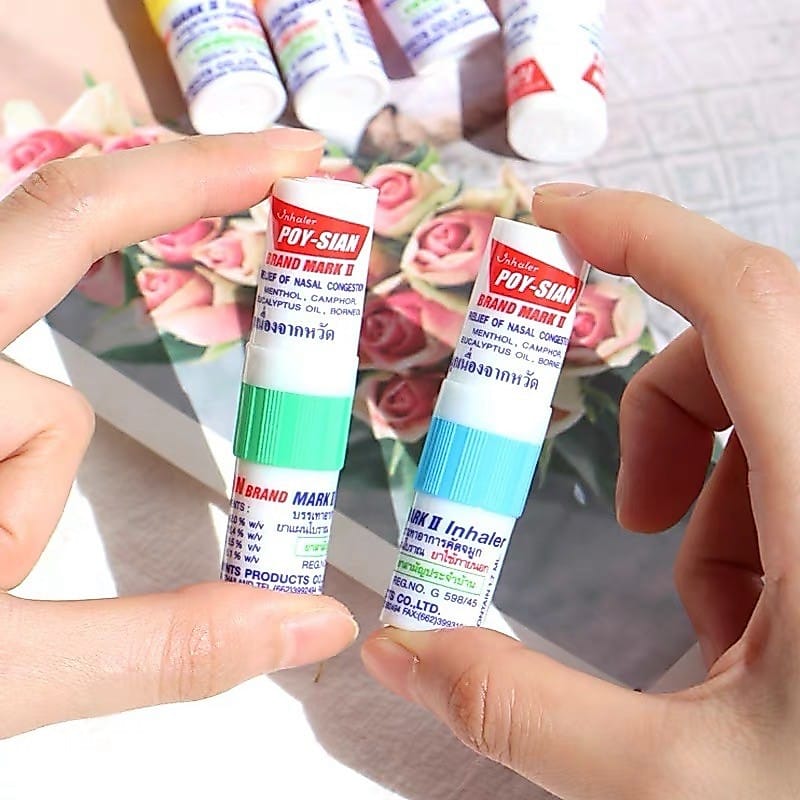
These small tools help:
HEPA filtration catches particles, while activated carbon helps with smoke odors and gases. For a smoke-sensitive person, that combination is much more useful than a basic filter alone.
You also have permission to leave. Albania has no shortage of cafés. If the air makes you feel sick, the coffee isn’t worth it.
Summer heat can push sensory overload over the edge
Albanian summers are hot, bright and crowded. Air conditioning isn’t always as strong or consistent as American visitors may expect. Buses, gyms, cafés and restaurants may feel much warmer than expected, and some businesses keep doors open while the air conditioner struggles in the background.
Heat makes every other trigger harder to tolerate. Smoke smells stronger, crowds feel closer and small inconveniences become enormous.
My hot-weather comfort kit includes:
Run errands early in the morning when possible. Coastal promenades and city centers become much busier in the evening, especially during July and August.
When viewing an apartment, don’t just ask if it has air conditioning. Turn it on. A single unit in the living room may not cool a closed bedroom, and an older unit may make plenty of noise without producing much cold air.
If heat and peak-season crowds are major triggers, my guide to the best time to visit Albania compares weather, crowd levels and seasonal closures.

Winter apartments may be colder than expected
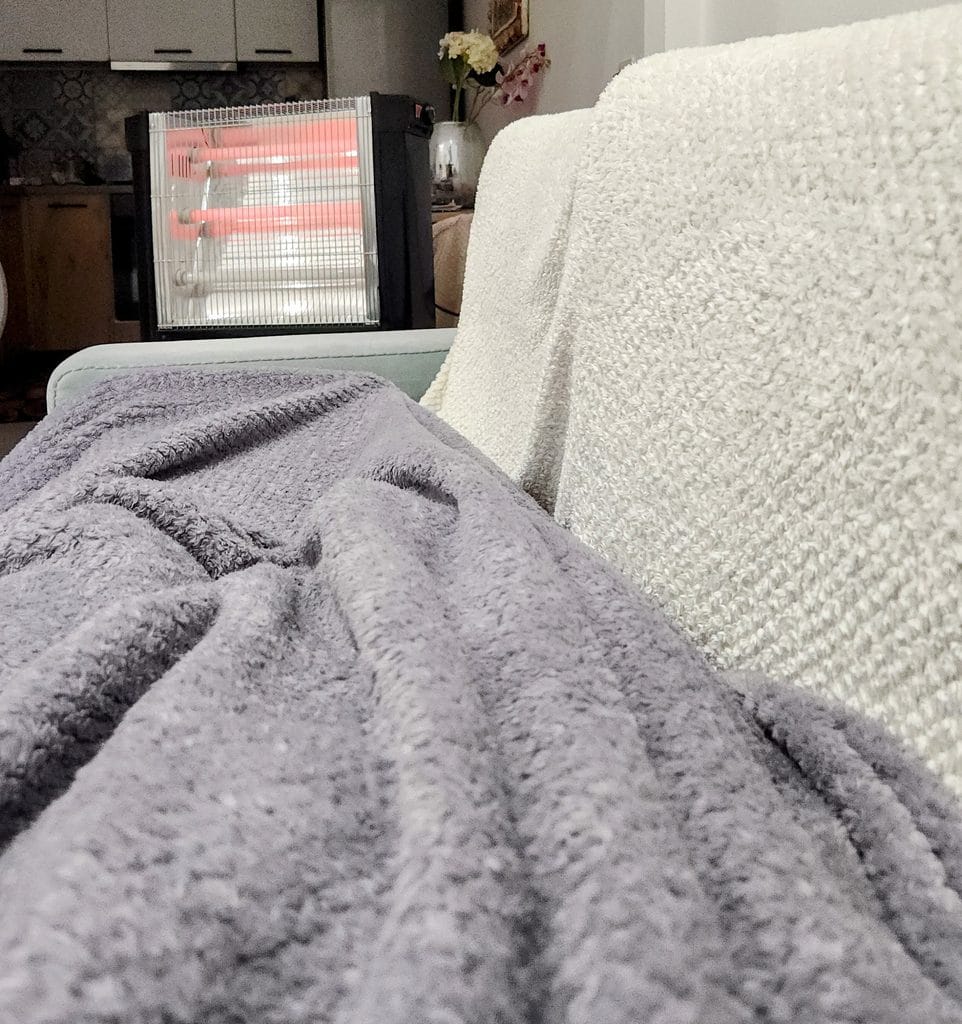
Many Albanian homes don’t have central heating, so locals usually heat individual rooms with inverter air conditioners, portable electric heaters or wood-burning stoves. When I first arrived in Albania, I rented a beautiful loft apartment with a two story tall ceiling, but unfortunately the small wall unit AC they had was not able to warm the lower floor, so all the heat rose straight to the top! I was shivering for awhile.
Albanian homed are mostly designed for warm weather, so the tile floors, limited insulation and drafty balcony doors can make a place feel much colder inside.
Before renting, check:
Warm slippers, rugs, heavy curtains, an electric blanket and a dehumidifier can turn a chilly apartment into a much more comfortable space.
My guide to Albania in winter compares what the colder months are actually like in Vlorë, Sarandë and Tirana.
Bright light and visual overload
The Albanian sun can be intense, especially along the coast. Light reflects off the sea, white buildings and car windows. Supermarkets, pharmacies and offices may add harsh overhead lighting to the experience.
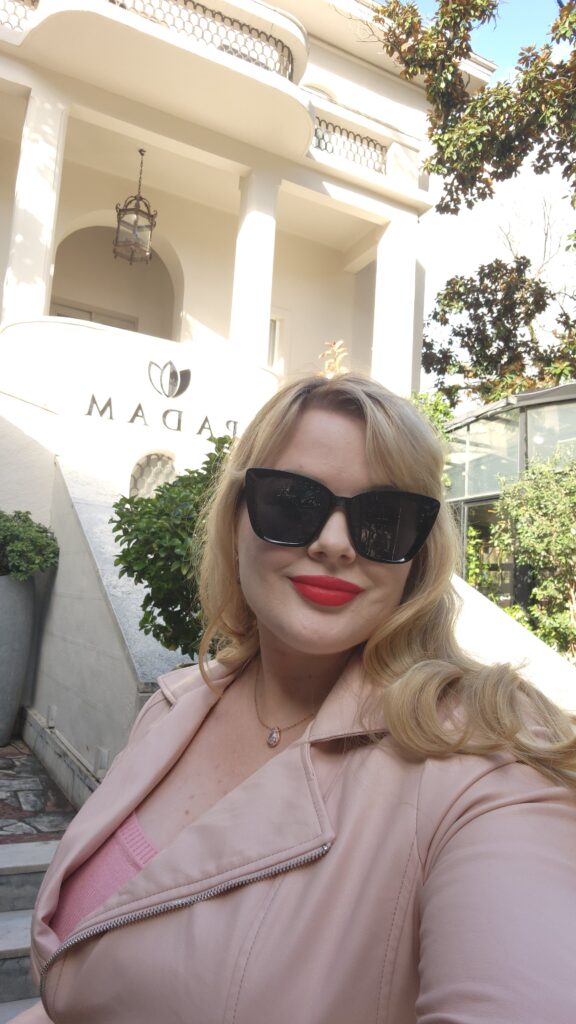
Sunglasses are one of my most useful everyday tools. They reduce glare, soften visual input and provide a layer of privacy when I don’t want to make eye contact.
A wide-brimmed hat helps on very bright days. Lightly tinted glasses may also make indoor shopping easier if fluorescent or LED lighting bothers you.
Try grocery shopping on weekday mornings rather than after work or during the evening rush. A quiet supermarket feels like an entirely different place from the same store at its busiest hour.

The staring can feel intense
People in Albania may look at foreigners for much longer than people from the US or Northern Europe are used to. The attention can feel invasive, especially if you already find eye contact uncomfortable or struggle to interpret facial expressions.
I don’t assume the staring is hostile. Sometimes it’s curiosity, noticing that you’re foreign, or an interest in what you’re wearing. The reason doesn’t always matter, but your body can still register the attention as stressful.
Sunglasses make this much easier for me. Headphones also create a small boundary and signal that I don’t want to talk. I keep my expression neutral, look where I’m going and continue with my day.
You don’t owe every stranger eye contact, a smile or a conversation.
Crowds, traffic and a different sense of personal space
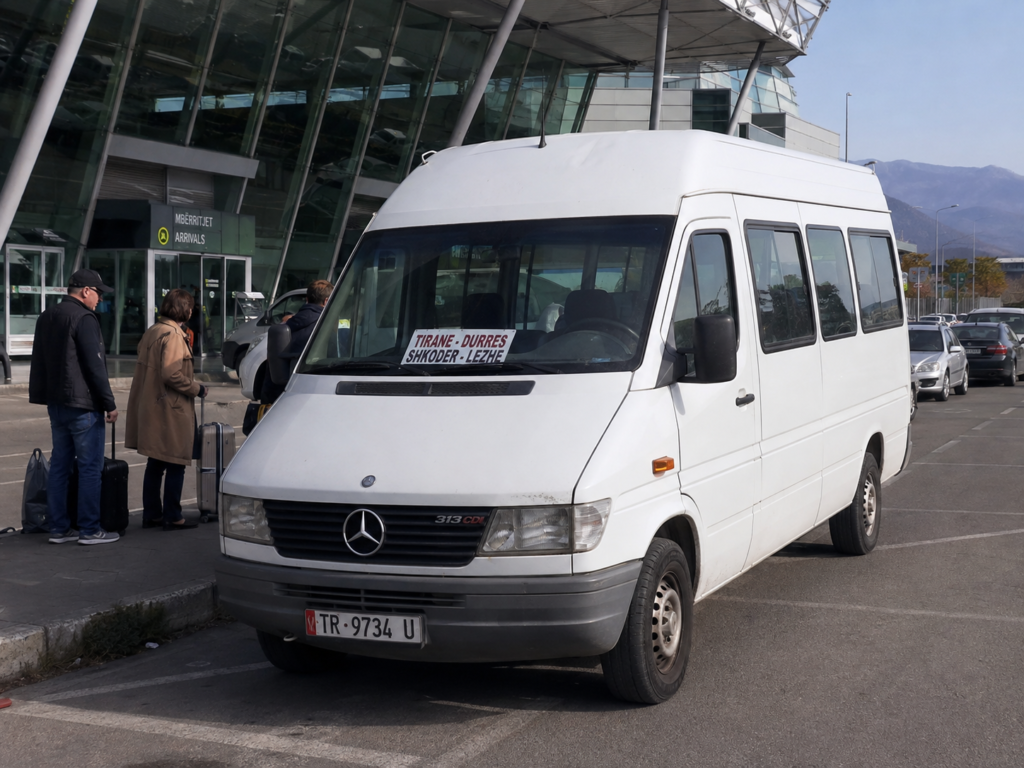
Buses can be packed. Lines may form loosely rather than in a straight direction. People may stand closer than you expect, and crossing a busy street can require much more visual attention than crossing at an orderly pedestrian signal.
Build extra space into your routine:

Unpredictability can be its own sensory trigger
Albania doesn’t always run on precise schedules and written procedures. A business may close earlier than its listed hours. A bus may leave when it fills. Two employees may give you two different answers. Queues can be more of a general gathering near the counter.
That unpredictability can create real stress for people who rely on clear plans and transitions.
I reduce it by:
A disrupted plan feels less catastrophic when you’ve already decided what Plan B will be.
Create a low-stimulation home base
Albania may be lively outside, but your home doesn’t have to be.
My best advice is to make at least one room feel completely different from the street. Use warm lamps, soft bedding, curtains, rugs and scents you enjoy. Keep earplugs, chargers, eye masks and other calming items together.
A comforting setup might include:
- Warm lamps with adjustable brightness
- Blackout curtains
- Soft blankets
- A strong white-noise machine
- An air purifier with activated carbon
- A reliable fan or air conditioner
- A small basket containing sensory tools
- Familiar snacks and drinks
- A chair or corner reserved for decompressing
My Albania sensory kit
| Item | What it helps with |
|---|---|
| Loop-style earplugs | Cafés, shops, promenades and moderate background noise |
| Foam sleeping earplugs | Barking dogs, neighbors and nighttime street noise |
| Noise-cancelling headphones | Buses, offices, construction and intense noise |
| White-noise machine | Unpredictable sounds while sleeping or working |
| Eye mask | Streetlights, early sunlight and unfamiliar bedrooms |
| Sunglasses | Glare, visual overload and unwanted eye contact |
| Portable fan | Heat, stuffy rooms and cigarette smoke |
| Essential-oil inhaler | Smoke, exhaust and strong smells |
| Filtered face mask | Smoke, dust and enclosed spaces |
| Cooling towel | Summer errands and public transportation |
| Portable charger | Navigation, translation and emergency taxi calls |
| Familiar snack | Long appointments, delays and food-related stress |
Useful Albanian phrases
A lejohet pirja e duhanit brenda?
Is smoking allowed inside?
A ka zonë ku nuk pihet duhan?
Is there a non-smoking area?
A ka një tavolinë më të qetë?
Is there a quieter table?
A mund ta ulni pak muzikën, ju lutem?
Could you lower the music a little, please?
A punon kondicioneri?
Does the air conditioner work?
A punon kondicioneri edhe për ngrohje?
Does the air conditioner also work for heating?
A ka zhurmë gjatë natës?
Is it noisy during the night?
A ka punime ndërtimi afër?
Is there construction work nearby?