

Before I came to Albania, I assumed it would be much more Muslim than it is. After all, 51% of Albanians identified as Muslim in the 2023 census, mosques are everywhere, and the country is known for its religious harmony.
The reality is a little more complicated.
I’m not Muslim, so I can’t speak for every Muslim traveler’s experience. I did, however, live in the UAE for 3 years, and many of the people I care about are Muslim. Because of that, I pay attention to how welcoming a place actually feels for Muslims.
I’d say Albania is generally safe for Muslim visitors, and it does have plenty of Muslim infrastructure. At the same time, it’s a deeply secular country where many people have a fairly casual relationship with religion. Visitors who wear hijab or follow more traditional Islamic practices may not always feel as understood as they expect.
So, is Albania Muslim friendly? Mostly yes, but there are a few things worth knowing before you arrive.
Is Albania Safe for Muslim Travelers?
Most Muslim travelers can visit Albania safely and comfortably. Serious religious harassment isn’t considered a widespread problem, and Albanian law protects freedom of religion.
The US State Department’s religious freedom report for Albania recorded only a small number of formal complaints based on religion. Albania is also genuinely proud of the peaceful coexistence between its Muslim, Orthodox Christian and Catholic communities.
That official stats may matter, but they still don’t always capture every rude comment, uncomfortable look or private prejudice.
A Muslim traveler is unlikely to face a serious safety problem simply because of their religion. However, women who wear hijab, niqab or modest swimwear may stand out more than expected.
Is Albania a Muslim Country?
Albania is officially secular, with no state religion.
According to the 2023 national census, around 46% of the population identified as Sunni Muslim and almost 5% as Bektashi, a Sufi Islamic tradition. Together, those groups make up just over half of the population.
Those numbers don’t necessarily tell you how religious Albania feels in daily life.
Many Albanians identify as Muslim because of their family or cultural background without closely practising the religion. Someone may call themselves Muslim but rarely attend mosque, drink alcohol, eat pork and know very little about Islamic teachings.
The same loose relationship with religion also exists among Albanian Christians. Religion is often treated as part of a person’s family history rather than a strict guide for daily life.
That doesn’t make anyone’s identity less valid. It simply means that the phrase “Muslim-majority country” may create the wrong expectations.
Albania doesn’t feel like the UAE, Türkiye or another country where Islam has a strong and visible influence on everyday routines.
Why Is Albania So Secular?
Albania’s communist history explains a lot.
In 1967, the government declared Albania the world’s first atheist state. Places of worship were closed, damaged or destroyed. Religious leaders were persecuted, and public religious practice was banned.
Religion returned after communism ended, but several generations had already grown up without it.
Modern Albania remains strongly secular. Most people don’t expect religion to shape public life, business hours, clothing or social activities. This can feel wonderfully relaxed to some Muslim travelers and surprisingly disconnected to others.
You may hear the call to prayer while sitting outside a bar where nearly everyone is drinking. That kind of contrast is completely normal here.


Can You Find Mosques in Albania?
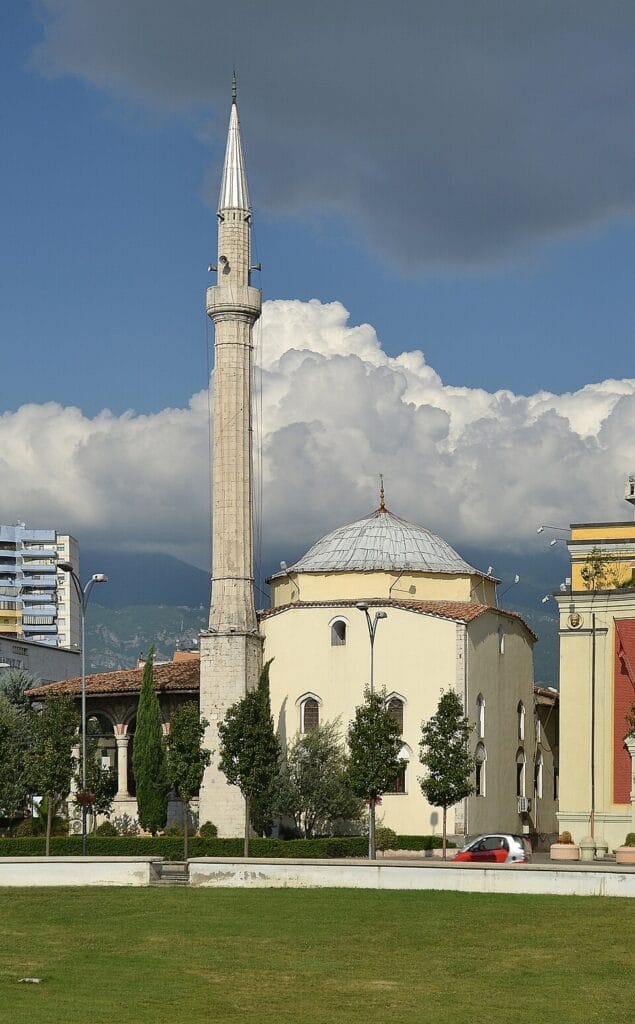
Mosques are easy to find in many Albanian cities and towns.
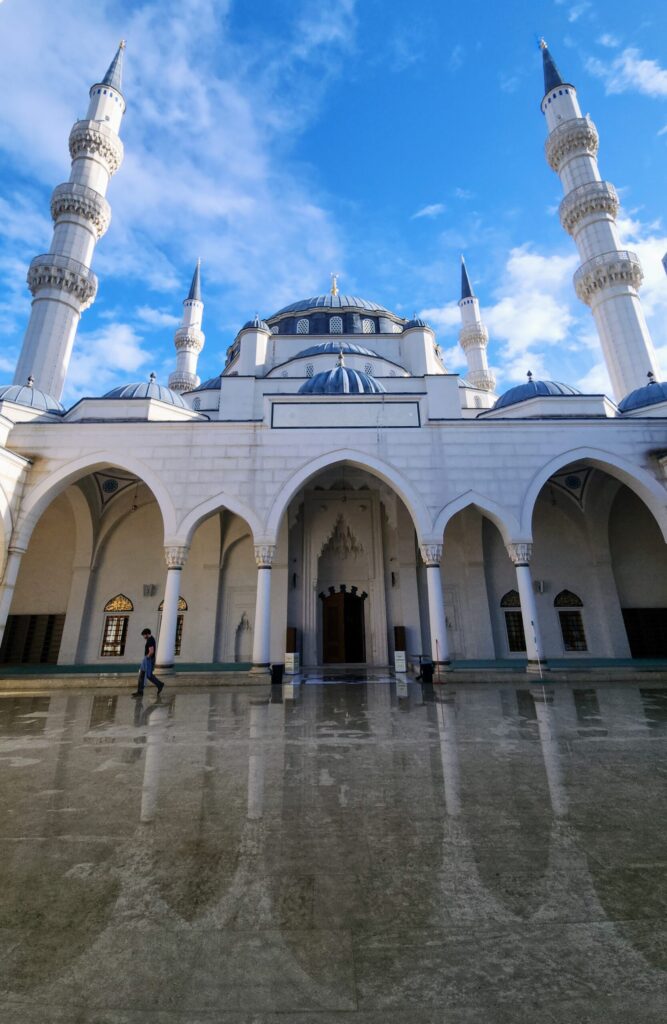
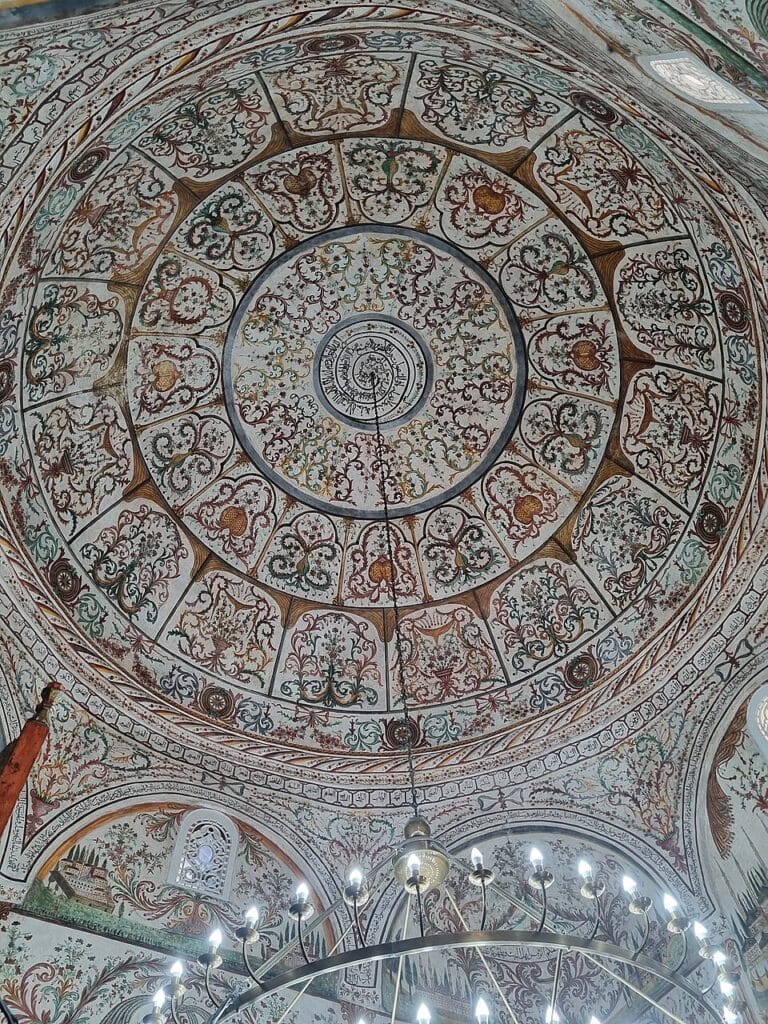
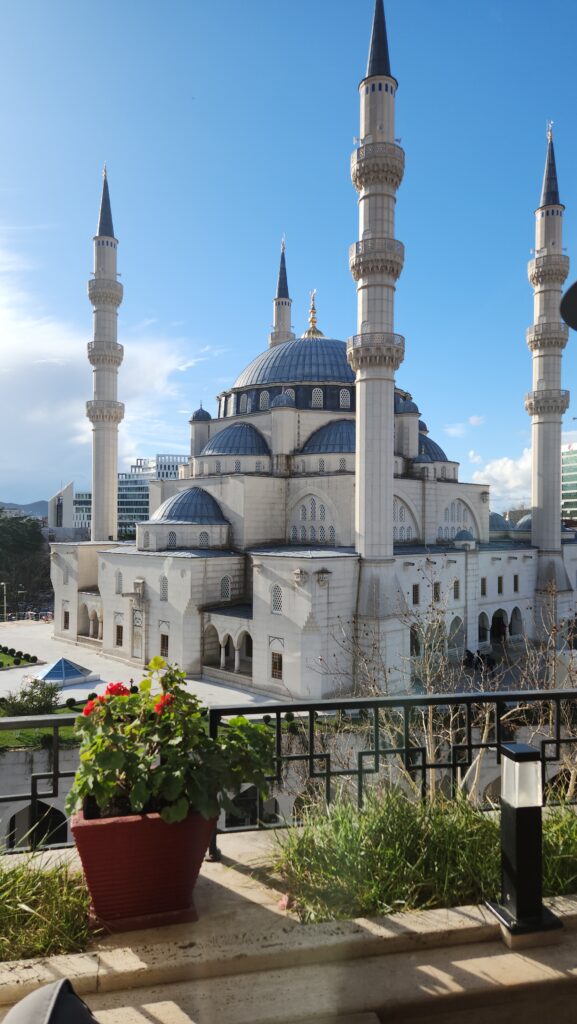
Tirana has several active mosques, including the historic Et’hem Bey Mosque beside Skanderbeg Square and the much larger Namazgah Mosque. Berat, Shkodër, Durrës, Elbasan and other parts of the country also have functioning mosques. Check out my guide 5 Incredible Muslim Heritage Sites You Need to See in Albania to see where to find them all.
The call to prayer can be heard in many neighborhoods, although it isn’t as central to daily life as it is in the Gulf.
Dedicated prayer rooms are less common in malls, hotels, restaurants and tourist attractions. It helps to check mosque locations before heading out or plan to pray at your accommodation.
Is Halal Food Easy to Find in Albania?
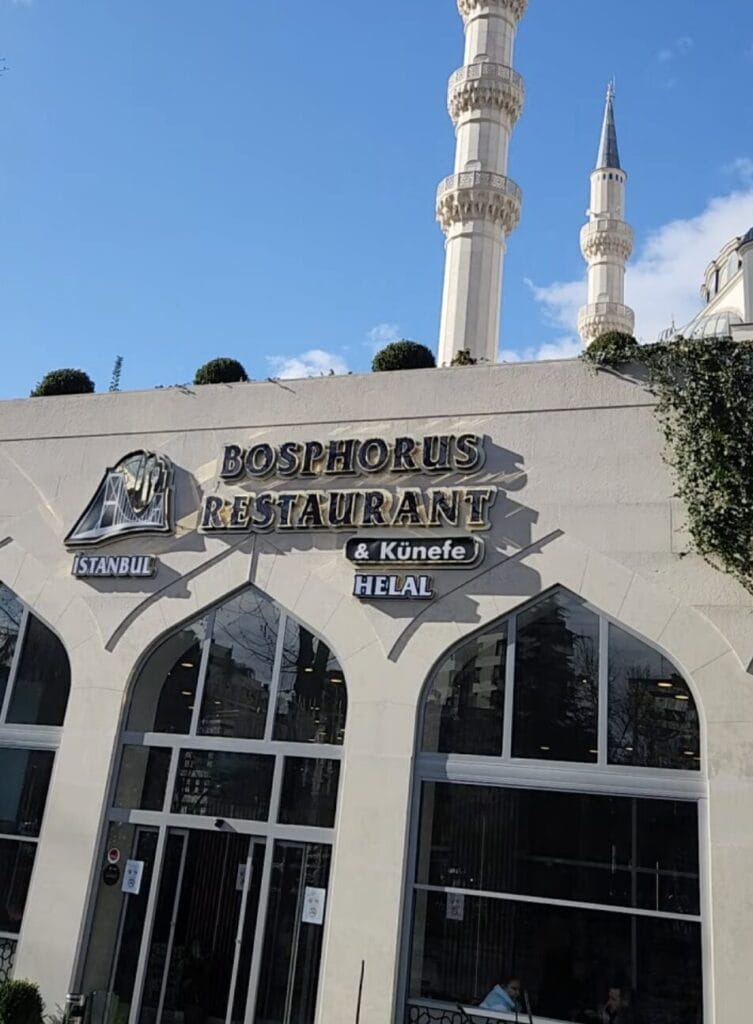
Halal food exists in Albania, but it isn’t everywhere. Many Albanians identify as Muslim culturally without following strict dietary rules, so you should not assume that meat is halal just because a restaurant is Muslim-owned or doesn’t serve an obviously pork-based dish.
Most dedicated halal options are casual pizza, döner and family restaurants rather than upscale dining. Searching for “hallall” with two Ls on Google Maps, Wolt, Baboon and local Albanian websites will give you better results.
Some places currently advertising themselves as halal include:
- Tirana: Pizza Tirona Hallall, Red Rose Hallall, Shawarma Noor Hallall and Pizza Shkoza Hallall
- Vlorë: Restorant Hallall Kleo and Hallall Pizza Vlora
- Durrës: Pizzeri Luna Hallall, Piceri Eroli Hallall and Pizza Lea Hallall
- Gjirokastër: Simple Restaurant Hallall
- Sarandë: Pizza Nepsi, which advertises pizza and sandwiches made with halal meat
Restaurants can change, so confirm directly before making a special trip. A restaurant describing itself as hallall does not necessarily mean it has formal halal certification.
If you follow strict halal standards, ask:
Seafood and vegetarian dishes are often the easiest backup options, although shared kitchens may still matter to stricter travelers.
For more specific recommendations in the capital, see my Muslim-Friendly Tirana guide.
The words pa mish derri mean “without pork” in Albanian, but pork-free and halal aren’t necessarily the same thing.

What Should Hijabi Women Expect?
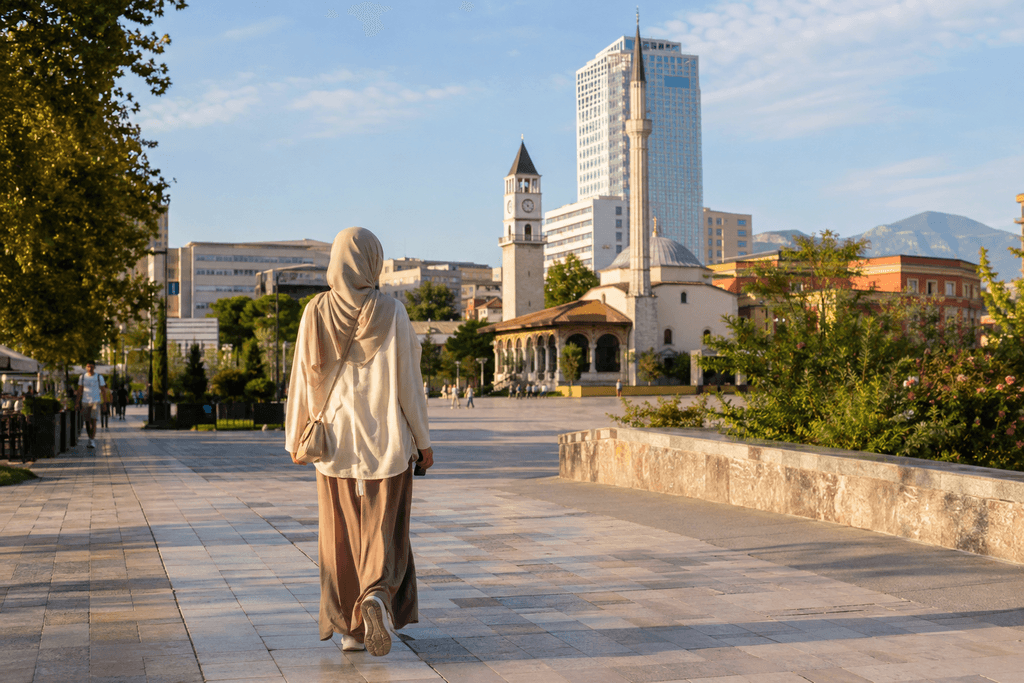
Hijabi women can visit Albania, enter mosques, eat in restaurants and explore the country without expecting a serious problem.
Still, hijab is much less common than visitors may imagine. Most Albanian Muslim women don’t cover their hair, and niqab is extremely rare.
A visibly Muslim woman may attract attention, particularly at beach clubs, nightlife venues or in communities where people aren’t used to seeing traditional Islamic clothing.
I’ve also seen Muslim women share stories about being questioned or harassed for wearing modest swimwear at pools. The idea that a woman could be treated as inappropriate for covering too much is ridiculous, but these attitudes do exist.
That doesn’t mean every hijabi woman will have a negative experience. Most will probably be left alone. I simply wouldn’t assume that modest clothing will automatically be understood because Albania has a large Muslim population.
Private pools and resorts may set their own swimwear policies. Contact the property before booking if wearing a burkini is important to you.
Albania Has a Complicated Relationship With Its Ottoman Past
Islam spread through Albania during centuries of Ottoman rule, and that history remains visible in the country’s mosques, food, architecture and family traditions.
Modern Albanians have mixed feelings about it.
Some value Albania’s Islamic and Ottoman heritage. Others associate that period with occupation, underdevelopment or separation from Europe.
Albania is now very focused on its European identity and hopes to join the European Union. For some people, anything that feels too Ottoman, too religious or too traditionally Muslim is seen as something the country should leave behind.
Sadly, I’ve personally heard comments from Albanians that I’d describe as Islamophobic. These views don’t represent everyone, but they also don’t fit the perfect image of religious harmony often promoted to visitors.
A country can have mosques, Muslim family histories and legal religious freedom while some of its people still feel uncomfortable around visibly practising Muslims. Both things can be true at once.
What Are Ramadan and Eid Like in Albania?
Ramadan is observed by practicing Muslims in Albania, but daily life doesn’t slow down as it does in the UAE or other parts of the Middle East.
Restaurants stay open during the day, alcohol continues to be served and most businesses follow their usual schedules.
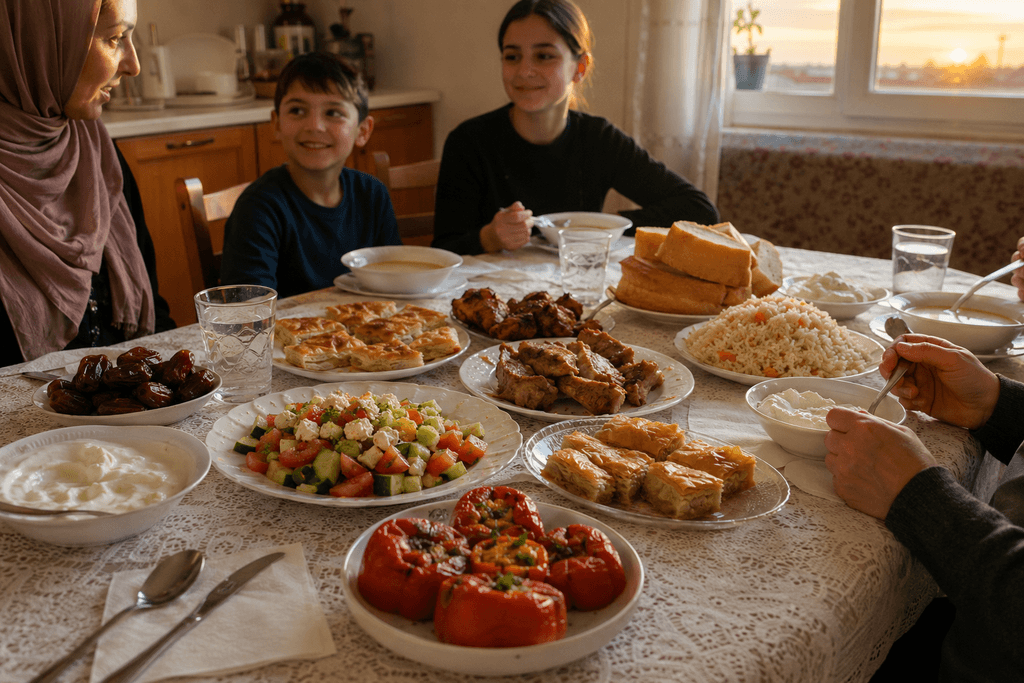
You also won’t find the same abundance of lavish hotel iftars and elaborate Ramadan tents. Most iftar gatherings are smaller affairs held at home with family and friends, although mosques and Muslim organizations may arrange community meals.
Eid can appear almost invisible until it suddenly doesn’t.
One day in Tirana, I stepped outside my Airbnb and was startled to see a man carrying a freshly slaughtered lamb that was still dripping blood. It seemed wildly out of place in the middle of a modern European city. Then I remembered it was Eid al-Adha (known locally as Kurban Bajrami) and it suddenly made sense.
That moment captured Albania’s relationship with Islam perfectly. Daily life can feel completely secular, but older Muslim traditions are still quietly happening in homes and neighborhoods around you.
Are Albanian Beaches Muslim Friendly?
Albania’s beaches are generally safe and family-friendly, but they aren’t designed around conservative Muslim travel.
Bikinis are normal, alcohol is easy to find and many beach clubs play loud music throughout the day. Women-only beaches, pools and spa facilities aren’t common.
Burkinis aren’t nationally prohibited, but a private hotel, pool or beach club may have its own rules. It’s always worth asking before you pay for a day pass or book a resort.
Quieter public beaches, private villas and family-run guesthouses may feel more comfortable for travelers who want extra privacy.
Muslim Travel in Albania: Frequently Asked Questions
Is Albania a Muslim country?
Islam is Albania’s largest religious affiliation, with Muslims and Bektashis together accounting for roughly half of the population. However, Albania is officially secular, has no state religion and is also home to Catholic, Orthodox and nonreligious communities.
Is Albania a good holiday destination for Muslims?
Yes. Albania has mosques, a large Muslim population and a generally relaxed attitude toward religion. Muslim travelers should still remember that Albania is a secular country where pork and alcohol are widely available, and not every hotel or restaurant follows halal practices.
Is it easy to find halal food in Albania?
Halal food is fairly easy to find in Tirana and available in some other larger cities, but the options become limited in smaller towns and beach resorts. Look for restaurants advertising “hallall,” and ask about the meat source if the restaurant does not clearly state its policy.
Is all meat in Albania halal?
No. You should not assume meat is halal simply because Albania has a large Muslim population. Some restaurants use halal-certified meat, while others do not disclose their suppliers. Ask, “A është mishi hallall?” which means, “Is the meat halal?”
Is Tirana all halal?
No. Tirana has several halal and halal-friendly restaurants, but the city as a whole is not halal. Many restaurants serve pork and alcohol, and shared kitchens are common. Look for a clear halal statement or ask the restaurant directly.
Can you find halal food in Albania at Christmas?
Yes, especially in Tirana. Halal restaurants do not normally change their meat or menus because it is Christmas, but December 25 is a public holiday and some businesses may close or use shorter hours. Check the restaurant’s social media or contact it before making the trip.
So, Is Albania Muslim Friendly?
For most Muslim travelers, yes.
Albania offers:
- Mosques in many cities and towns
- Halal restaurants with a little research
- A generally safe environment
- Legal protection for religious freedom
- Visible Islamic and Ottoman heritage
- A relaxed attitude toward religious differences
However, Albania isn’t a traditionally observant Muslim society.
Hijabi women may attract more attention than expected. Halal standards aren’t always obvious. Ramadan barely changes the rhythm of public life, and some Albanians are openly uncomfortable with conservative expressions of Islam.
Most Muslim travelers can have a safe and enjoyable trip here. I just wouldn’t want anyone to arrive expecting Albania to feel like a more visibly Islamic country simply because of its census figures and abundance of mosques.
The Muslim heritage is real. The tradition of different religions living side by side is also real. So are Albania’s deep secularism, complicated history and occasional hostility toward traditional Muslims.