

If you’re wondering whether Tirana is LGBTQ-friendly, the short answer is yes… but with a few important caveats.
Tirana is easily the most progressive city in Albania, and most LGBTQ+ travelers will likely have a perfectly enjoyable visit here. At the same time, Albania is still a socially conservative country compared to places like Amsterdam, Berlin, or even much of Western Europe.
You can absolutely visit Tirana as an LGBTQ+ traveler and have a great time. You just need to understand the local culture and adjust your expectations accordingly.
Quick Answer: Is Tirana LGBTQ-Friendly?
Mostly.
Tirana is generally considered the most LGBTQ-friendly city in Albania and is usually safe for LGBTQ+ travelers. Most visitors won’t encounter problems, especially in central neighborhoods like Blloku and around Skanderbeg Square.
That said, Albania remains more socially conservative than many Western countries. Public displays of affection may attract uncomfortable attention, particularly outside of Tirana or in more traditional settings.
My advice? Come, enjoy yourself, and use the same common sense you would when visiting any other traditional leaning country.
My Experience Attending Tirana Pride
This year was my first time attending Tirana Pride as an ally alongside several queer friends.
To be honest, I wasn’t entirely sure what to expect since I learned that Tirana only just had its first Pride parade EVER in 2012 (which only had 12 brave marchers!).
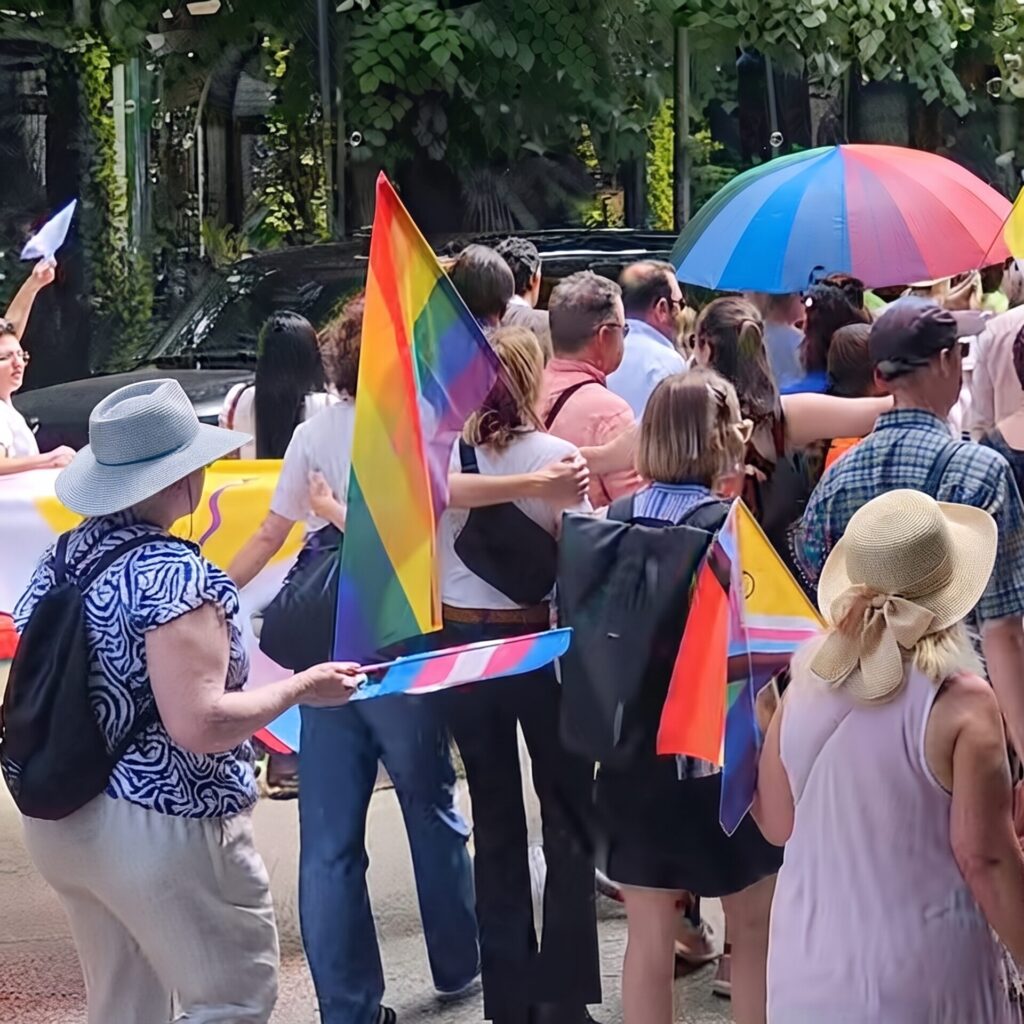
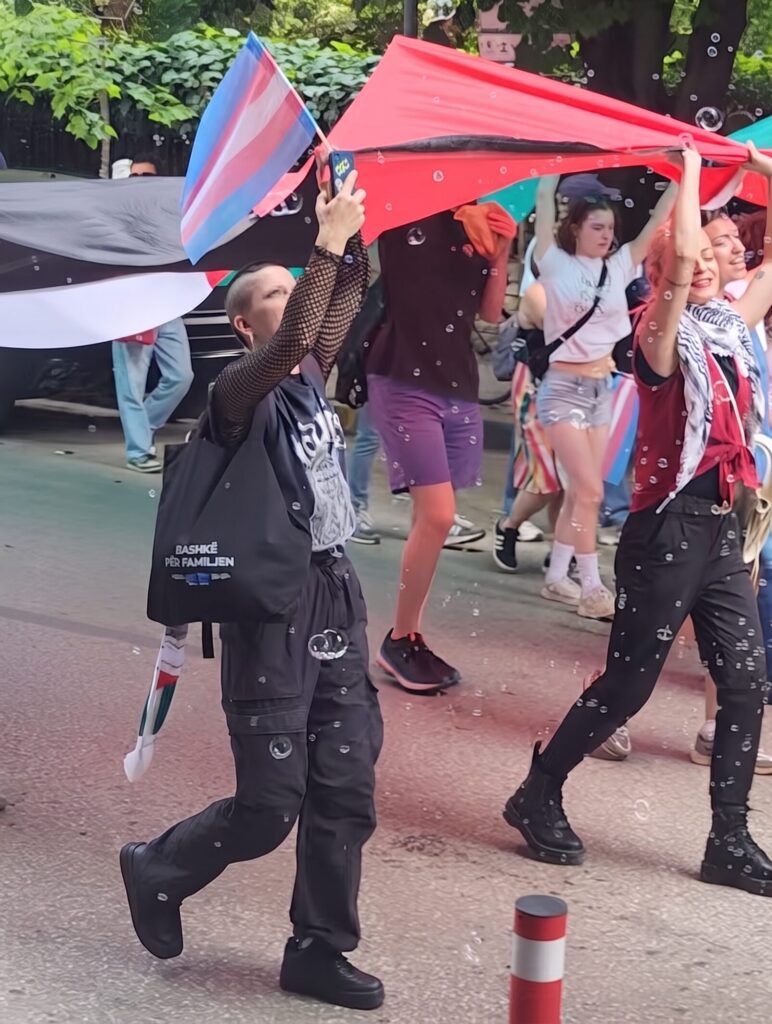
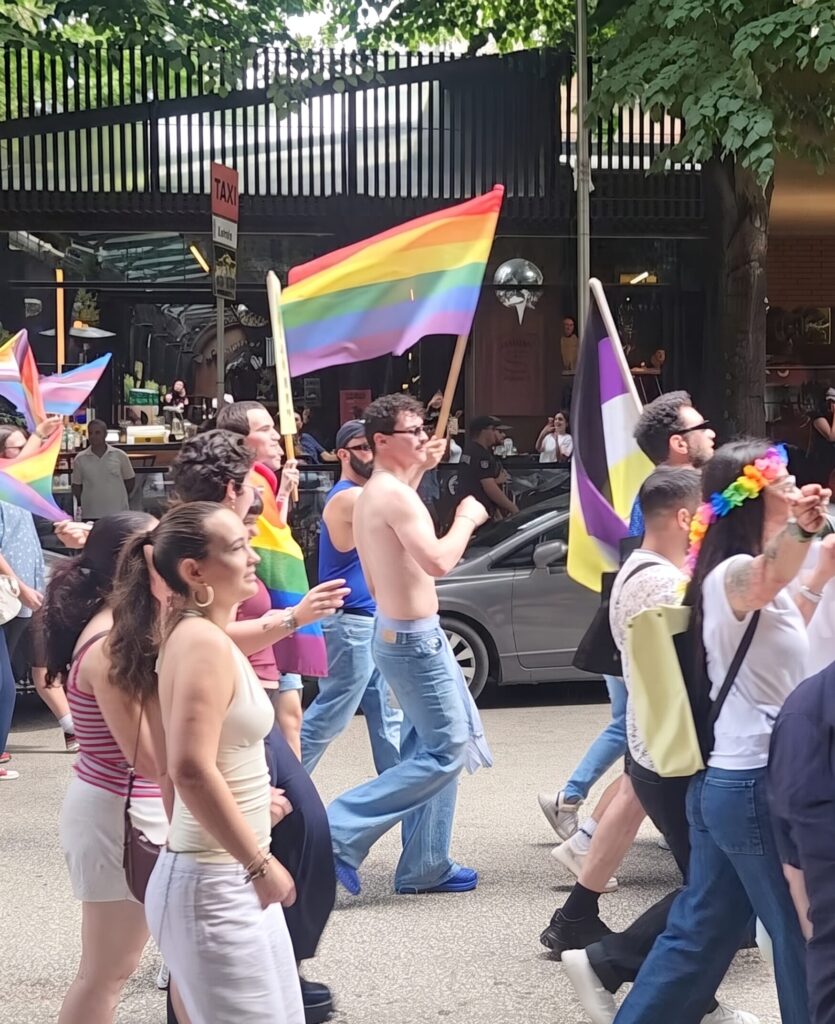
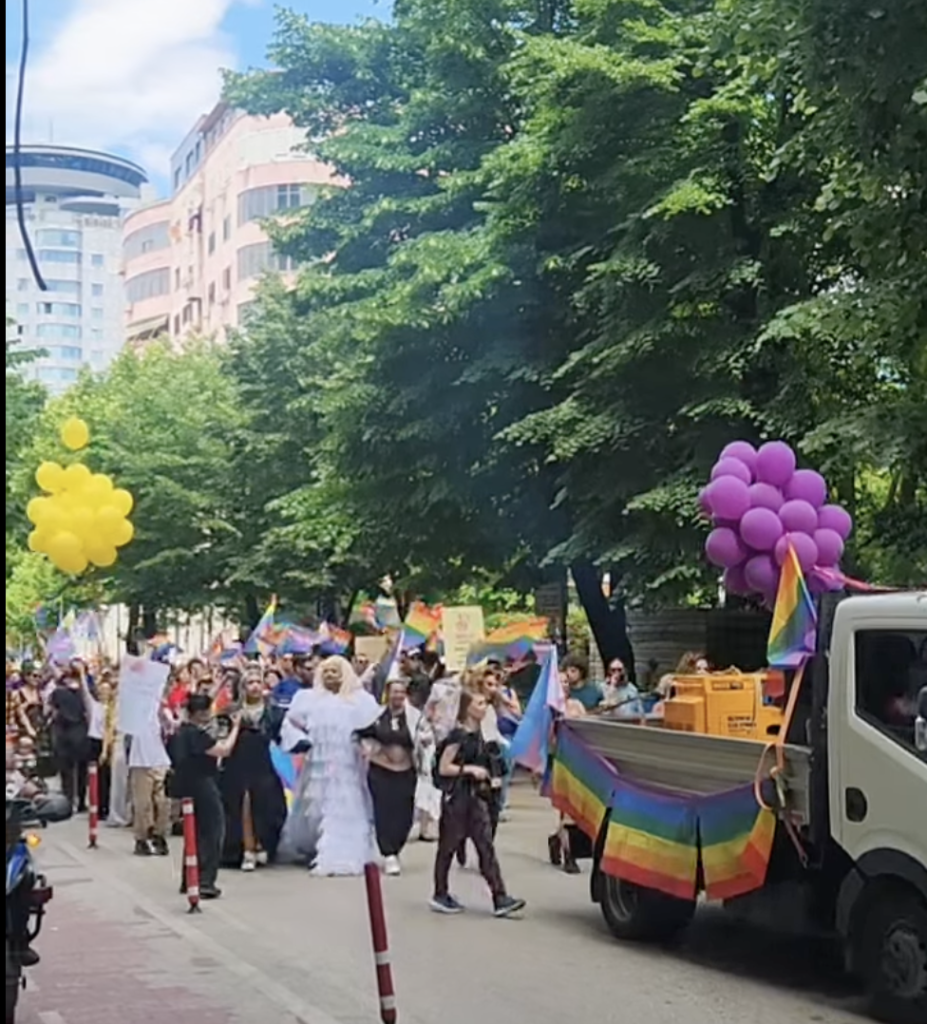
What I found though was a small, peaceful, friendly event with about 60-70 people with a surprisingly relaxed vibe. Police were present throughout the march, but mainly as a typical precaution for parades and not because of any visible tension or threats.
As far as I could see, there was only one religious protester following the parade, but he seemed more interested in holding up his big sign than actively causing trouble.
The thing that struck me most was how little reaction there was from the rest of the city. People sat at cafés sipping espresso. Families walked through the city center. Tourists took photos. No big deal.
A few couples openly held hands during the festivities, and nobody seemed particularly bothered. Would I assume the same level of openness on a random Tuesday in every part of Albania?
Probably not.
But Pride itself felt calm, organized, and fun.
What It’s Actually Like Day-to-Day
One thing visitors often misunderstand about Albania is that people here are generally less confrontational than the internet might lead you to believe.
Albanians may hold traditional views about relationships, religion, and family, but most people are also remarkably good at minding their own business.
That doesn’t mean every local is enthusiastically supportive.
It means most people are focused on their own lives.
If you’re a same-sex couple walking through central Tirana, chances are nobody is going to stop what they’re doing to make your day difficult. You might get a curious glance. You might attract a bit more attention than you would in London or Toronto. But that’s very different from hostility.
As with many places in the Balkans, reading the room goes a long way.
Where LGBTQ+ Travelers Should Stay
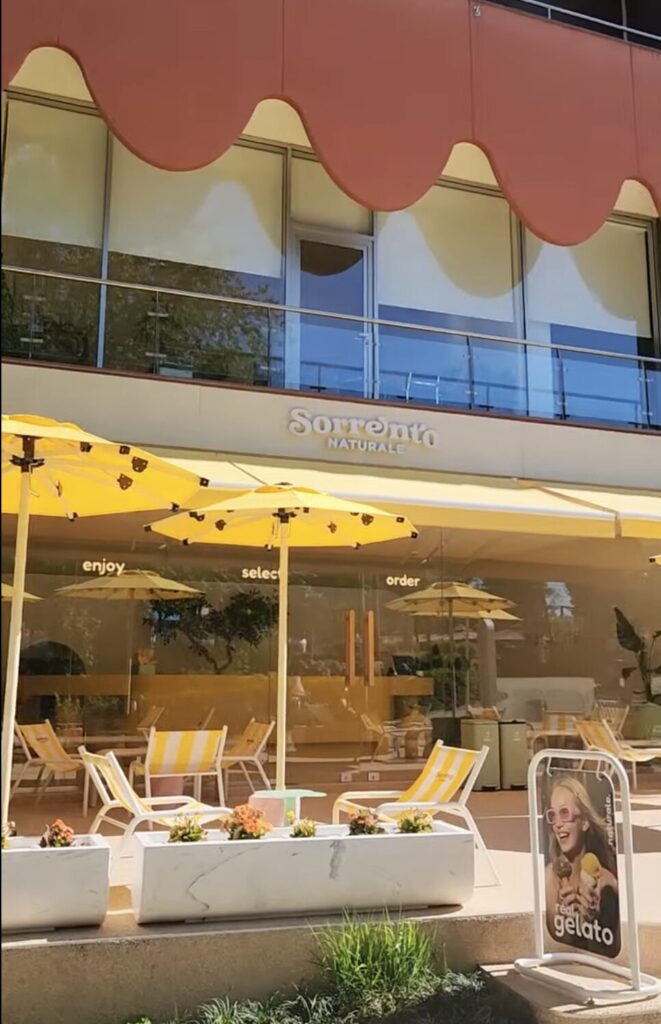
If it were my first visit, I’d stay in central Tirana. My top recommendations would be:
Blloku
This is Tirana’s trendiest neighborhood and the area where you’ll find many of the city’s best cafés, restaurants, rooftop bars, and nightlife spots. It’s international, walkable, and generally attracts a younger crowd.
Skanderbeg Square
Perfect if you want to be in the heart of everything. You’ll be within walking distance of museums, attractions, restaurants, and public transportation.
The City Center
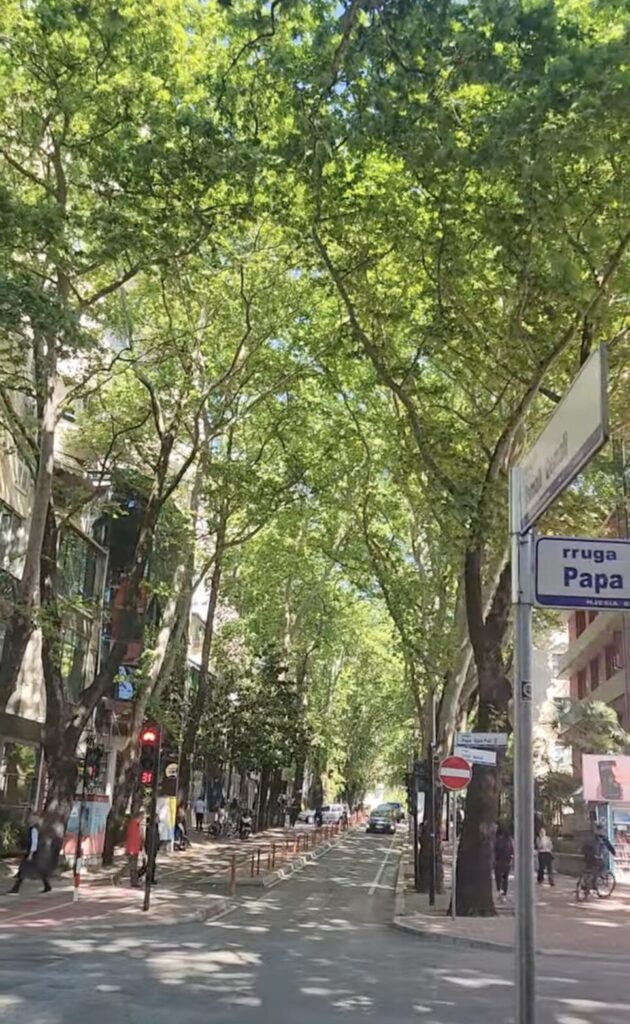
Anywhere within easy walking distance of the main center is usually a safe bet for first-time visitors. The further you move into quieter residential areas, the less likely you’ll encounter tourists and international influences, although this doesn’t necessarily mean you’ll have any problems.
If you end up staying around Blloku or the center, my luxury guide shows a more stylish side of Tirana through rooftops, spas and design-led shops.
Is There LGBTQ+ Nightlife in Tirana?
Sort of.
If you’re expecting a giant gay district packed with rainbow-lit clubs, you’re going to be disappointed.
Tirana’s LGBTQ+ scene tends to be more underground, community-focused and event-based than venue-based. Places come and go, and what’s popular this year may not exist next year.
For that reason, I wouldn’t rely too heavily on old travel blogs.
Before your trip, check:
- Facebook events
- Local LGBTQ+ organizations
- Recent traveler reviews
- Current community groups
The best information is usually whatever people are talking about right now.
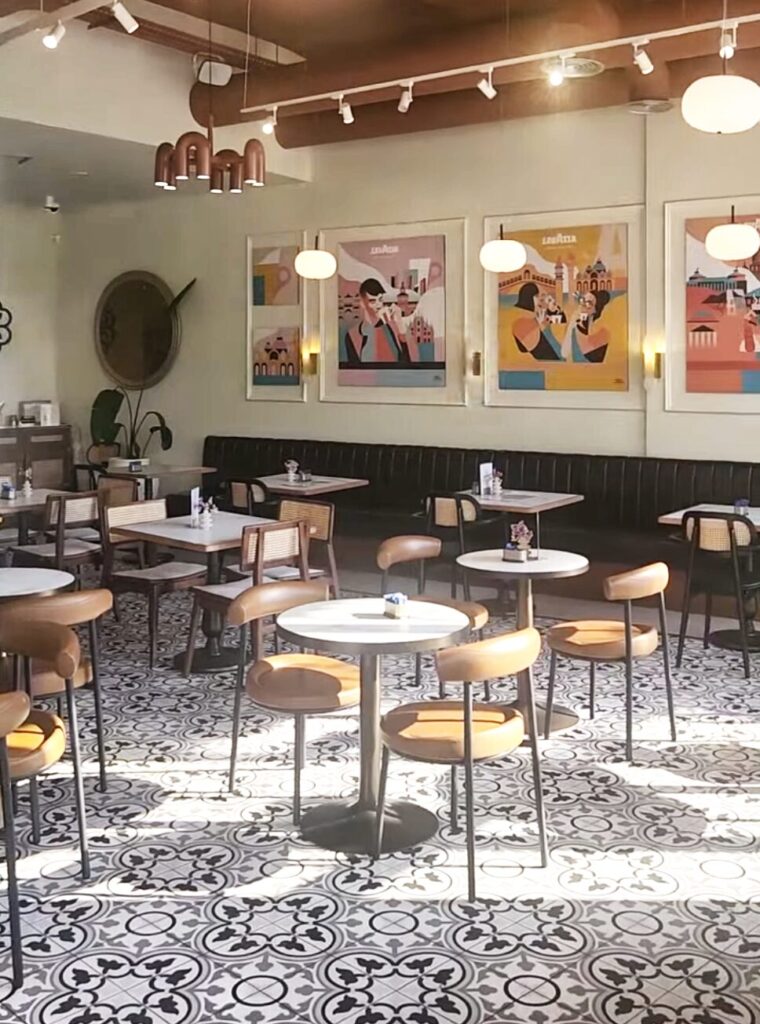
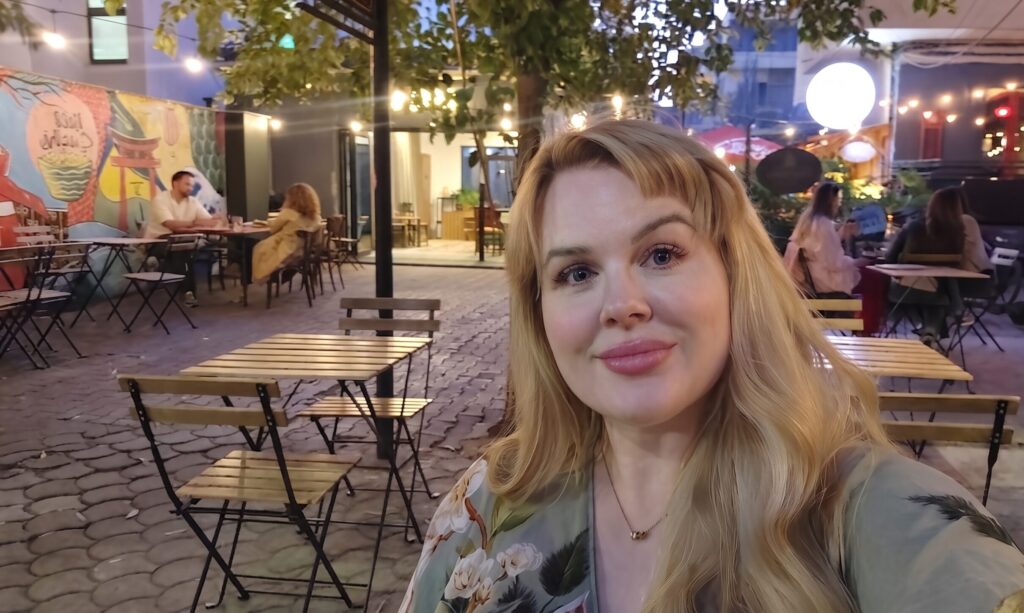
One queer-friendly spot I’ve visited is Hana Corner Café in Blloku. The atmosphere was warm, relaxed, and welcoming, with a mix of queer locals, expats, creatives, and travelers all sharing the space.
While Tirana does not have a large, clearly defined LGBTQ nightlife district, visitors who want a social introduction to the city after dark can join a guided nightlife and local-drinks tour.
FULL DISCLOSURE: I have not confirmed if this specific tour guide is LGBTQ friendly, so maintain normal precautions
Is Tirana Safe for LGBTQ+ Travelers?
Overall, yes.
Most of the safety advice I give LGBTQ+ travelers is exactly the same advice I’d give anyone visiting Tirana.
The biggest consideration isn’t usually physical safety, it’s understanding the social environment.
You don’t need to walk on eggshells, but Albania isn’t quite at the stage where many LGBTQ+ travelers would feel completely invisible or completely free to express themselves exactly as they would at home.
A little situational awareness goes a long way. Check out my other articles Is Albania Safe for Americans? and Living in Albania as a Woman: Safety and Privacy Guide for more in depth takes on safety.
How Tirana Compares to the Rest of Albania
Tirana is significantly more progressive than much of the country.
You’ll find more young people, more international visitors, more digital nomads, and more exposure to different lifestyles than you would in smaller towns and rural areas.
That doesn’t mean the rest of Albania is unsafe, it just means that Tirana is generally where LGBTQ+ travelers are likely to feel most comfortable.
If you’re planning to explore beyond the capital, especially in more traditional villages, it’s worth being a bit more mindful of local cultural norms.